

Introduction
I hear this question very often: can high cholesterol cause fatigue?
Many people feel tired every day. They sleep enough. They try to eat well. Still, their energy feels low. When routine explanations don’t make sense, they start looking deeper. Blood pressure. Sugar levels. Hormones. And eventually, cholesterol becomes part of the conversation.
Here’s the truth. High cholesterol is common. Fatigue is also common. But the connection between the two is not always simple.
Some people with high cholesterol feel completely normal. Others complain of low stamina, heaviness, or reduced energy. This creates confusion and sometimes unnecessary fear.
In this guide, I will explain everything in plain language. No medical jargon. No exaggeration. Just practical, science-based information you can actually use.
We will cover:
- What cholesterol really is
- Whether high cholesterol can actually make you tired
- How it may affect energy indirectly
- Signs you should not ignore
- Practical steps that support both heart health and daily energy
By the end, you will clearly understand what your body may be trying to tell you.
Table of Contents
First, Let’s Understand Cholesterol Properly
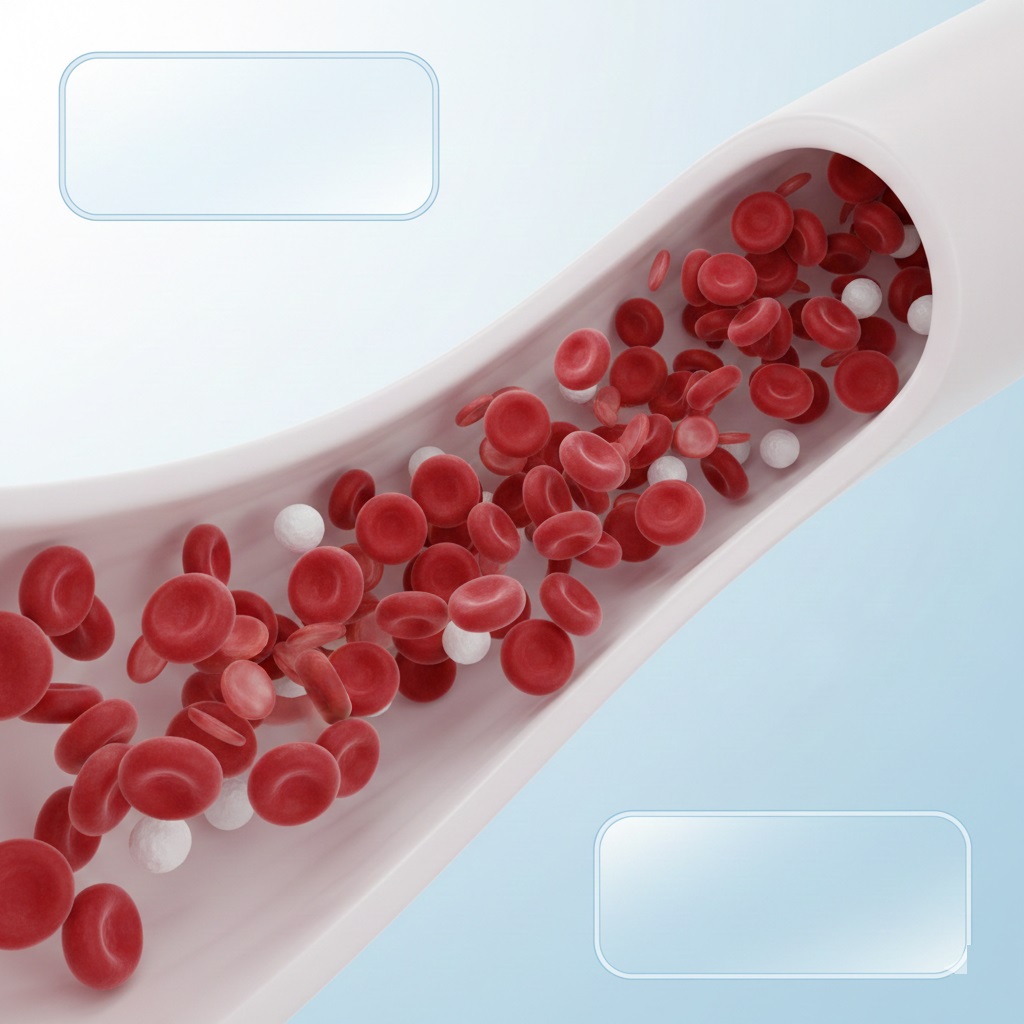
Before answering can high cholesterol cause fatigue, I always start with the basics.
Cholesterol is not your enemy. Your body needs it.
It is a waxy, fat-like substance that travels in your blood. Your liver produces most of it naturally. The rest comes from food.
Your body uses cholesterol to:
- Build strong cell walls
- Produce important hormones
- Make vitamin D
- Help digestion through bile acids
So cholesterol itself is essential. The problem begins when levels become unbalanced.
According to Mayo Clinic, cholesterol itself is essential for hormone production, cell structure, and digestion, but problems arise when LDL levels remain elevated for long periods.
The Two Main Types of Cholesterol
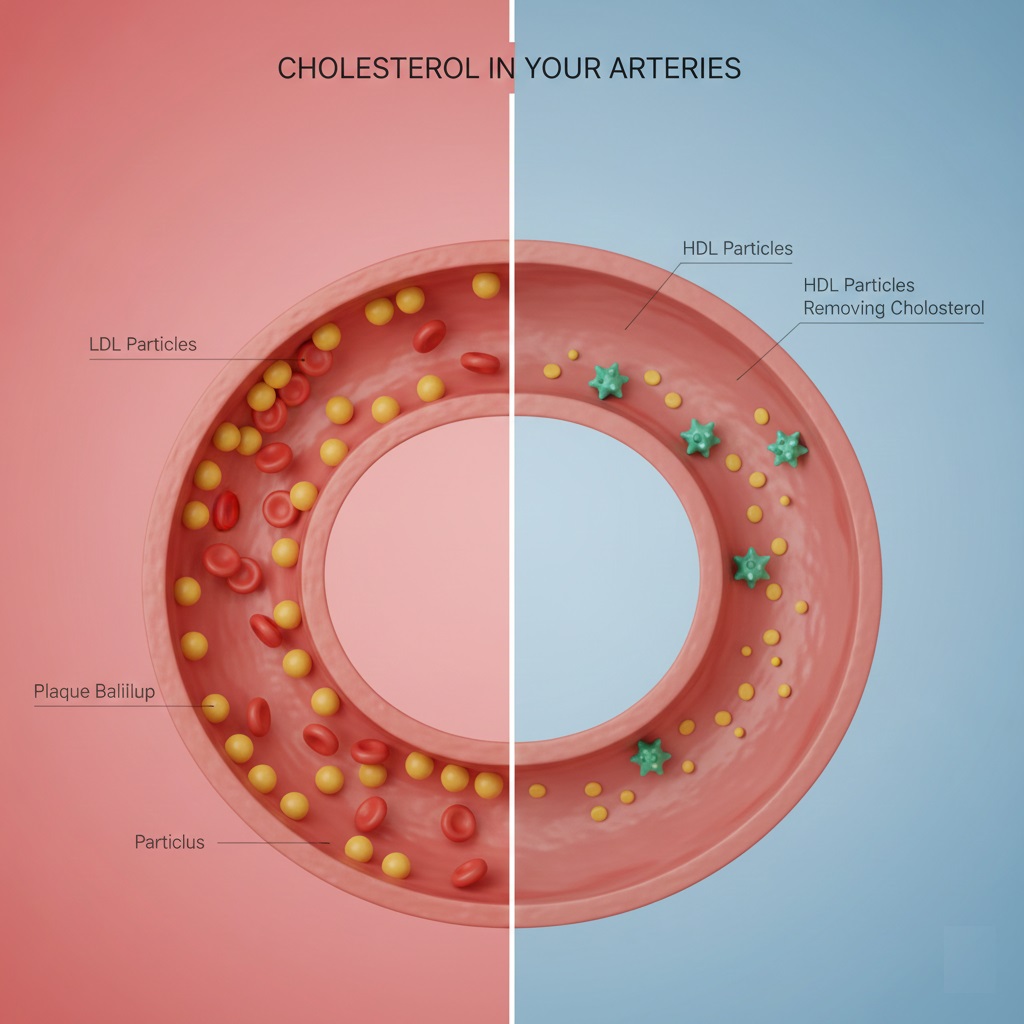
Cholesterol moves through your bloodstream using tiny carriers called lipoproteins.
LDL — The “Bad” Cholesterol
LDL carries cholesterol to tissues. When levels are too high, cholesterol starts sticking to artery walls. Over time, this creates plaque buildup.
HDL — The “Good” Cholesterol
HDL works like a cleanup system. It removes excess cholesterol and carries it back to the liver for disposal.
Healthy balance matters more than any single number.
When LDL rises or HDL drops, arteries slowly narrow. This process happens quietly over years.
Why High Cholesterol Is Called a Silent Condition
One reason people ask can high cholesterol cause fatigue is because cholesterol rarely gives clear warning signs.
Most people:
- Feel normal for years
- Notice no pain
- Have no obvious symptoms
Many only discover high cholesterol during a routine blood test.
That silence makes people suspicious when unexplained tiredness appears. They wonder if fatigue is the body’s early signal.
The answer requires a deeper look.
So, Can High Cholesterol Cause Fatigue?
Here is my honest and balanced answer:
High cholesterol usually does NOT directly cause fatigue.
But — and this part is important — it can contribute indirectly in certain situations.
Let me explain how.
How Cholesterol May Affect Energy Indirectly
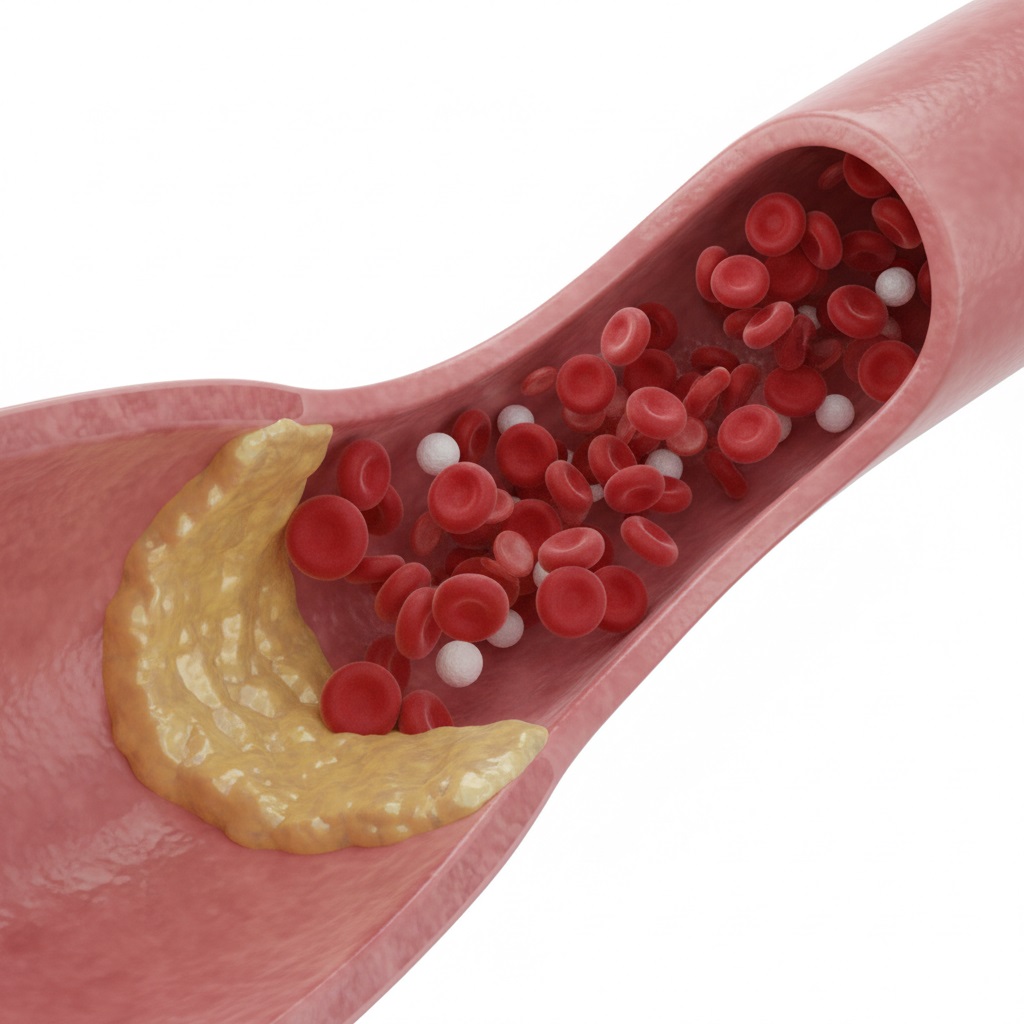
Fatigue rarely comes from one single cause. The body works as a system. When cholesterol begins affecting circulation or inflammation, energy levels may change.
1. Reduced Blood Flow
When cholesterol builds inside arteries:
- Blood vessels become narrower
- Oxygen delivery decreases
- Muscles receive less fuel
Your muscles depend on oxygen to produce energy. When supply drops slightly, you may feel tired faster during activity.
This does not happen overnight. It develops slowly.
You might notice:
- Getting tired while climbing stairs
- Less endurance than before
- Needing longer recovery after exercise
2. Increased Workload on the Heart
If arteries stiffen or circulation becomes less efficient, the heart must pump harder.
Over time, this extra effort may lead to:
- Lower stamina
- Faster exhaustion during physical work
- General heaviness in the body
Again, this is gradual. Many people mistake it for aging or stress.
3. Chronic Low-Grade Inflammation
High cholesterol is linked with ongoing low-level inflammation.
Inflammation affects how the body regulates energy. It may cause:
- Brain fog
- Lack of motivation
- Persistent tired feeling
You may sleep enough but still wake up feeling unrefreshed.
4. Oxidative Stress and Cell Energy
When lipid balance is disturbed, oxidative stress increases. This can affect mitochondria — the tiny energy factories inside cells.
When cells produce energy less efficiently, fatigue becomes more noticeable.
This mechanism is subtle but important.
5. Medication Side Effects (Sometimes)
Some cholesterol-lowering medicines, especially statins, may cause:
- Muscle soreness
- Weakness
- Mild fatigue in certain people
Most individuals tolerate these medications very well. But if tiredness begins after starting treatment, it is worth discussing with a doctor.
Never stop medication without guidance.
What Fatigue Related to Cholesterol Often Feels Lik
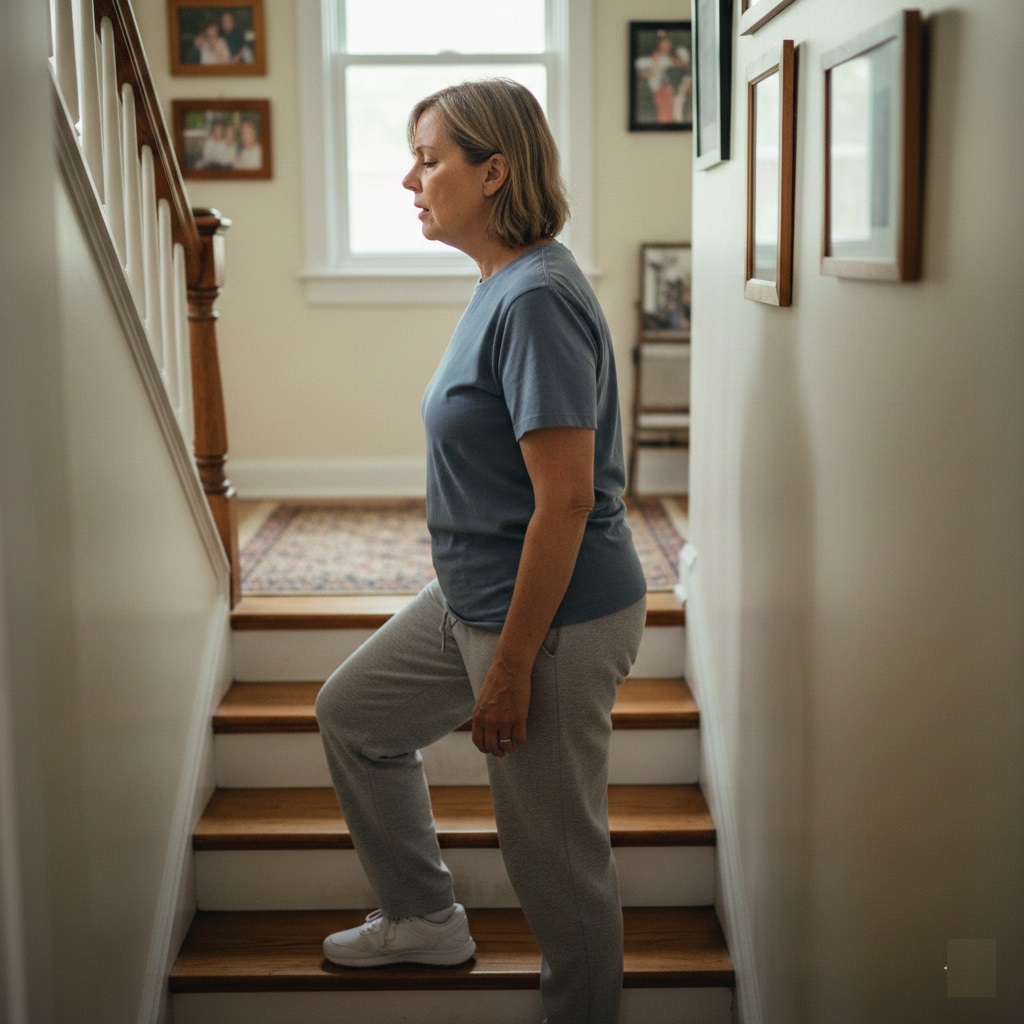
From real patient experiences, fatigue connected with cardiovascular issues usually feels different from simple sleepiness.
People describe:
- Low endurance rather than sudden exhaustion
- Heavy legs during walking
- Reduced physical capacity
- Slow recovery after effort
It usually develops slowly.
Many blame:
- Busy schedules
- Poor sleep
- Stress
- Getting older
Because the change is gradual, it often goes unnoticed.
Important Reality Check
Medical professionals consistently emphasize one important point
Fatigue alone almost never means high cholesterol.
Many conditions cause tiredness more commonly, including:
- Anemia
- Thyroid problems
- Poor sleep quality
- Anxiety or chronic stress
- Vitamin deficiencies
- Depression
- Dehydration
That is why testing matters more than guessing.
Who Should Pay Extra Attention?

Some people have higher risk and should monitor cholesterol carefully.
You may need closer attention if you have:
- Family history of heart disease
- Sedentary lifestyle
- Smoking habit
- Diabetes
- Obesity
- Diet high in fried or processed foods
If fatigue appears alongside these risk factors, checking cholesterol becomes more important.
Should You Ignore Fatigue?
No — but also don’t panic.
Fatigue is a signal, not a diagnosis.
Persistent tiredness deserves evaluation because it may indicate:
- Sleep disorders
- Hormonal imbalance
- Nutritional issues
- Circulation problems
The goal is awareness, not fear.
Practical Ways to Improve Both Cholesterol and Energy
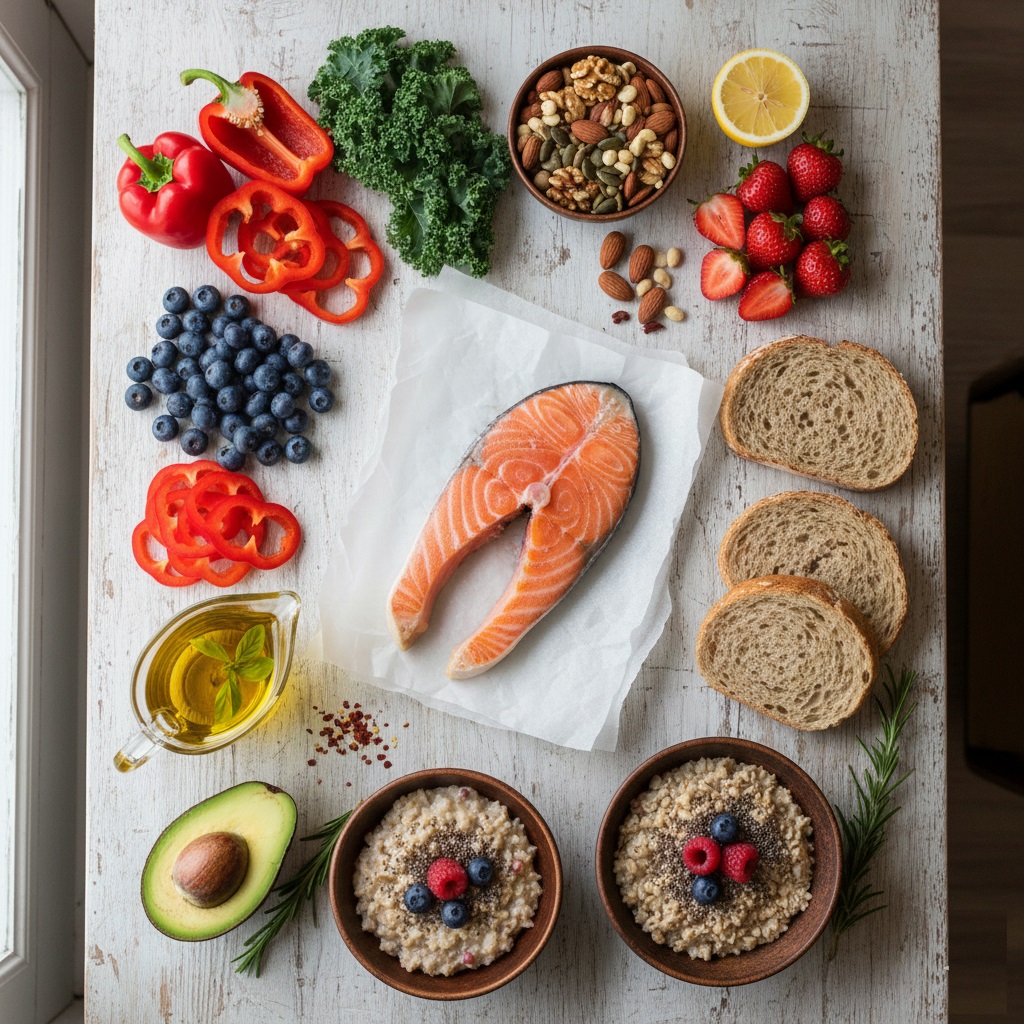
The good news is that the same habits that protect your heart often improve energy naturally.
Health experts generally recommend starting with small, consistent changes
1. Fix Your Eating Pattern First
You do not need extreme diets.
Focus on adding healthy foods rather than only removing foods.
Eat more:
- Fruits and vegetables
- Whole grains
- Lentils and beans
- Nuts and seeds
- Fish or lean proteins
Reduce:
- Deep-fried meals
- Processed snacks
- Excess butter and fatty meats
Stable nutrition supports both cholesterol balance and steady energy.
2. Move Your Body Regularly
Many people think exercise drains energy. In reality, regular movement increases it.
Start simple:
- 30 minutes brisk walking
- Cycling
- Light strength exercises
After a few weeks, most people notice better stamina and improved mood.
Consistency matters more than intensity.
3. Improve Sleep Quality
Poor sleep is one of the biggest hidden causes of fatigue.
Helpful habits include:
- Sleeping at the same time daily
- Avoiding screens before bed
- Keeping the room cool and dark
- Limiting late caffeine
Good sleep helps regulate metabolism and cholesterol levels.
4. Manage Stress Seriously
Chronic stress raises harmful hormones that affect both cholesterol and energy.
Simple practices help:
- Deep breathing
- Prayer or meditation
- Stretching
- Short breaks during work
Mental calmness often restores physical energy.
5. Get Regular Blood Tests
You cannot feel cholesterol levels.
Only a lipid profile test can confirm them.
Adults should check cholesterol periodically, even without symptoms.
Early awareness prevents long-term problems.
Common Mistakes I See People Make
Assuming Fatigue Equals High Cholesterol
This creates unnecessary anxiety.
Waiting for Symptoms Before Testing
Cholesterol damage can occur silently.
Following Extreme Diets
Very strict diets often reduce energy instead of improving health.
Expecting Instant Results
Lifestyle improvements take weeks or months.
Self-Diagnosing Online
Health decisions should always include professional evaluation.
A Smart Approach If You Feel Constantly Tired

If you are wondering can high cholesterol cause fatigue, follow this practical plan:
- Get a cholesterol blood test.
- Check sleep habits honestly.
- Review daily activity levels.
- Improve diet gradually.
- Track energy changes weekly.
Small improvements add up.
If you’re considering dental treatments and want clear guidance, this article may be useful: Ceramic Teeth Cap: Benefits, Cost, Procedure, and What You Should Know Before Getting One.
Frequently Asked Questions
Can high cholesterol cause fatigue every day?
Usually no. Most people with high cholesterol feel normal unless circulation or heart health becomes affected.
Why do I feel tired if my cholesterol is high?
Possible indirect reasons include reduced blood flow, inflammation, or lower physical endurance.
Does lowering cholesterol increase energy?
Many people feel better after adopting heart-healthy habits, though results vary.
Is fatigue an early warning sign?
Not reliably. High cholesterol typically has no early symptoms.
Should I test cholesterol if I feel tired?
Yes, especially if fatigue is persistent or you have risk factors.
Can cholesterol medicine make me tired?
In some individuals, muscle fatigue occurs. Speak with your doctor if symptoms appear.
Important Note
This guide is educational. It does not replace medical advice or diagnosis. Health conditions vary between individuals. Persistent fatigue should always be evaluated by a qualified healthcare professional.
Final Thoughts

So, can high cholesterol cause fatigue?
Here is the honest conclusion.
High cholesterol itself is usually silent. It does not directly make most people tired. However, as cholesterol begins affecting blood vessels, circulation, inflammation, or heart workload, it may indirectly reduce energy over time.
The key lessons I want you to remember are simple:
- Fatigue has many causes.
- High cholesterol often shows no symptoms.
- Testing is the only reliable way to know your levels.
- Healthy habits improve both heart health and daily energy.
- Slow, steady changes work better than quick fixes.
If you feel constantly tired, don’t assume the worst. Instead, treat it as useful feedback from your body — a reminder to check your health, improve daily habits, and take care of yourself consistently.
Small steps today protect both your energy and your future health.