

Introduction
I blink without thinking. You do too. In fact, we blink thousands of times every single day. It keeps our eyes smooth, clean, and protected. Most of the time, we never notice it.
But the moment blinking starts to hurt, everything changes.
Eye pain when blinking can feel strange, worrying, and sometimes even scary. A simple action suddenly becomes uncomfortable. You may start blinking less. Your eyes feel tired. Reading, working, or even walking outside becomes annoying.
I want to be very clear from the start: this symptom is common. Many people experience it at least once in their lives. Most cases are not dangerous. But pain is always a signal. The eye is telling you something is wrong.
In this guide, I will explain everything in simple language. No confusing medical talk. Just clear facts, honest advice, and practical solutions you can actually use.
We will cover:
- What eye pain when blinking really means
- The most common causes
- Warning signs you should never ignore
- Safe ways to treat and relieve discomfort
- Daily habits that prevent the problem from coming back
Let’s start with understanding what is actually happening inside the eye.
Quick Answer:
Eye pain when blinking is usually caused by dry eyes, irritation, infection, allergies, or a minor eye injury. Most cases improve with rest and lubricating eye drops, but severe pain, vision changes, or light sensitivity require medical attention.
Table of Contents
What Does Eye Pain When Blinking Actually Mean?
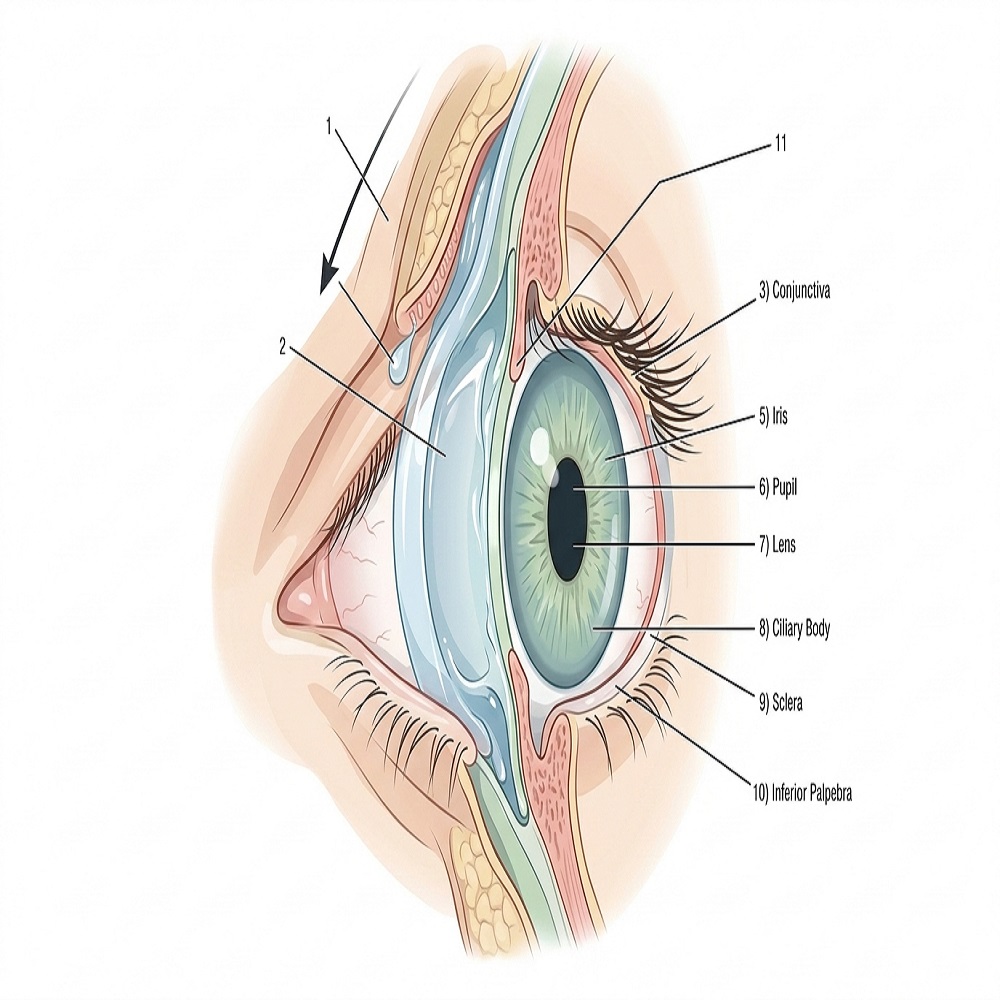
Blinking spreads tears across the surface of the eye. These tears act like natural oil. They reduce friction and protect delicate tissues.
When blinking becomes painful, it usually means one thing: something is disrupting that smooth movement.
Instead of sliding easily, the eyelid rubs against an irritated surface.
I often describe it like this: imagine walking with dry shoes on rough ground. Every step becomes noticeable. The same thing happens inside the eye.
Pain can feel different for different people:
- Sharp or stabbing discomfort
- Burning sensation
- Gritty or sandy feeling
- Pressure around the eye
- Tender eyelid when closing the eye
The pain usually involves one or more of these areas:
- The cornea (front clear layer of the eye)
- Eyelids and oil glands
- Tear film
- Conjunctiva (thin protective membrane)
Sometimes the problem is small and temporary. Other times, it needs medical attention.
Why Blinking Starts to Hurt
From my experience explaining this to readers, most people assume something serious immediately. But the truth is simpler.
Pain during blinking usually happens because of:
- Dryness
- Irritation
- Infection
- Inflammation
- Minor injury
- Reduced tear production
Blinking itself is not the problem. It only exposes the problem.
Common Causes of Eye Pain When Blinking

Let’s go through the real reasons people experience this symptom.
1. Dry Eye Syndrome (The Most Common Cause)
This is the number one reason behind eye pain when blinking.
Your tears are made of water, oil, and mucus. When this balance changes, the eye surface dries out. Without lubrication, blinking creates friction.
I see this happen frequently in people who:
- Use phones or computers for long hours
- Sit in air-conditioned rooms
- Sleep poorly
- Drink little water
Screen use is a big trigger. Normally we blink 15–20 times per minute. During screen time, blinking drops almost by half.
Less blinking means more dryness.
2. Foreign Object in the Eye
A tiny dust particle can cause big discomfort.
Even something microscopic can scratch the surface slightly. Every blink then rubs over that area, creating pain.
Common signs include:
- Sudden irritation
- One eye affected more than the other
- Watering eye
- Feeling like something is stuck
Rubbing makes this worse. I strongly advise against rubbing.
3. Stye (Eyelid Infection)
A stye is a small painful bump near the eyelash line. It happens when an oil gland becomes blocked and infected.
Blinking presses against the swollen area, causing tenderness.
You may notice:
- Red swelling
- Localized pain
- Warm feeling on eyelid
- Mild tearing
The good news: most styes heal naturally with warm compresses.
4. Blepharitis (Eyelid Inflammation)
This condition is more common than people realize.
Oil glands along the eyelid become clogged. Bacteria build up. The eyelids become irritated.
Symptoms include:
- Crusty eyelashes in the morning
- Burning sensation
- Red eyelid edges
- Eye pain when blinking repeatedly
Good eyelid hygiene makes a huge difference here.
5. Allergies
Dust, pollen, smoke, and cosmetics can trigger eye allergies.
Allergic eyes become inflamed and sensitive. Blinking increases discomfort because tissues are already irritated.
Usually both eyes are affected.
You may also notice:
- Itching
- Redness
- Watery discharge
6. Corneal Scratch (Corneal Abrasion)
This sounds serious, but small scratches happen easily.
Causes include:
- Fingernails
- Contact lenses
- Dust particles
- Makeup tools
Pain can feel sharp. Light sensitivity is common.
This type of eye pain when blinking should not be ignored if symptoms persist.
7. Contact Lens Overuse
Many people wear lenses longer than recommended.
Lenses reduce oxygen flow and dry the eye surface. Eventually blinking becomes uncomfortable.
Switching temporarily to glasses often brings relief quickly.
Mild vs Serious Causes: How to Tell the Difference
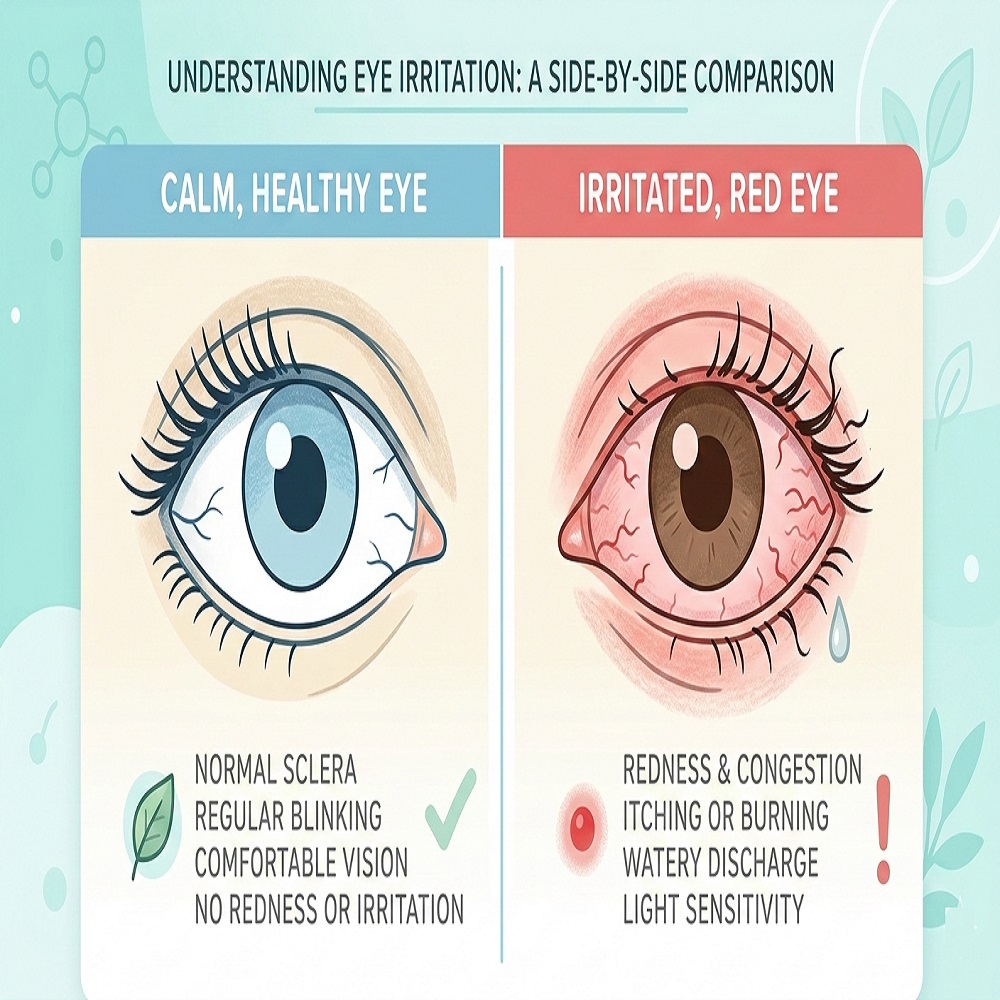
Here is my simple rule: pay attention to how the symptoms behave.
Usually Mild
- Scratchy irritation
- Improves within 1–3 days
- No vision changes
- Relief after resting eyes
Potentially Serious
- Severe or worsening pain
- Blurry vision
- Strong light sensitivity
- Thick discharge
- Eye injury history
If vision changes appear, do not wait.
What Eye Pain When Blinking Feels Like in Real Life
People rarely notice pain while resting. It shows up during daily activities.
I often hear descriptions like:
- “It hurts every time I close my eye.”
- “Blinking feels dry and rough.”
- “My eye feels tired all day.”
- “Screens make it worse.”
- “Closing my eyes gives temporary relief.”
Symptoms usually worsen in:
- Windy weather
- Dusty areas
- Air-conditioned offices
- Long phone use
- Late-night work
Recovery is often gradual. Expect improvement, not instant cure.
If you’re experiencing eye pain when blinking, this detailed guide explains the common causes, symptoms, and effective treatment options.
Biological Factors That Affect Eye Comfort
Healthy eyes depend on small systems working together.
Tear Production
Keeps the eye smooth and protected.
Oil Glands
Prevent tears from evaporating too fast.
Hydration
Dehydration directly reduces tear quality.
Blinking Habits
Less blinking equals more dryness.
Modern lifestyles quietly damage eye comfort. Digital screens are now one of the biggest contributors to eye pain when blinking.
Is Eye Pain When Blinking Dangerous?
Pain itself is not dangerous. It is a warning sign.
Usually Safe to Monitor
- Mild dryness
- Temporary irritation
- Small stye
- Allergy exposure
Needs Attention
- Pain lasting longer than 48 hours
- Increasing redness
- Swelling
- Pus-like discharge
- Headache with eye pressure
Ignoring symptoms can sometimes lead to infection spreading or corneal damage.
Early care always works better.
Best Ways to Treat Eye Pain When Blinking
Treatment depends on the cause, but these steps help most people.
1. Rest Your Eyes
I recommend reducing screen time immediately.
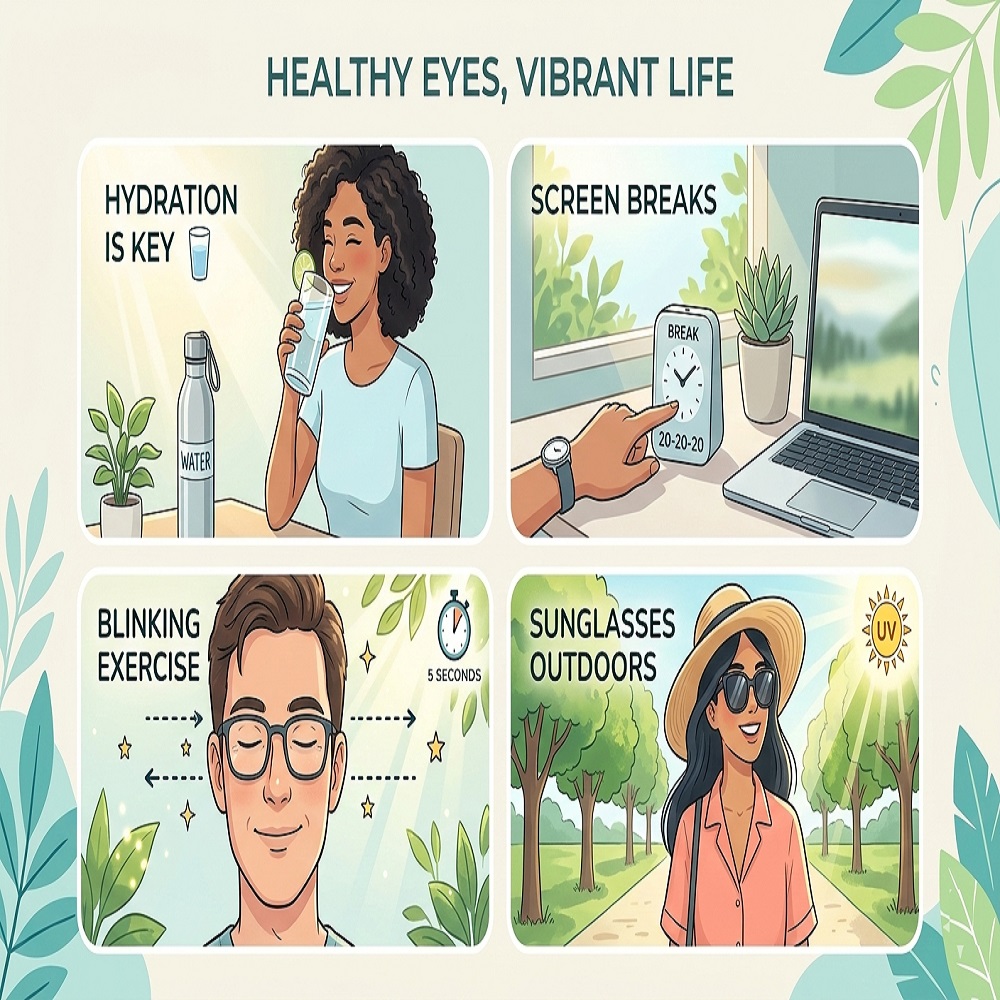
Follow the 20-20-20 rule:
Every 20 minutes, look 20 feet away for 20 seconds.
Simple but powerful.
2. Use Artificial Tears
Lubricating drops restore moisture.
Choose preservative-free drops if using often.
Avoid “redness removal” drops for daily use. They only hide symptoms.
3. Warm Compress
This is one of the most effective home treatments.
Steps:
- Soak a clean cloth in warm water.
- Close your eyes.
- Place cloth gently over eyelids for 10 minutes.
Repeat 2–3 times daily.
This helps blocked oil glands and styes.
4. Flush the Eye (If Dust Is Suspected)
Use sterile saline or clean water.
Blink gently.
Never rub aggressively.
5. Maintain Eyelid Hygiene
Clean eyelids gently using diluted baby shampoo or eyelid wipes.
This reduces bacteria buildup.
6. Stop Contact Lens Use Temporarily
Give your eyes time to recover.
Many people notice improvement within days.
Mistakes That Make Eye Pain Worse
I see these mistakes again and again.
Avoid:
- Rubbing eyes forcefully
- Using expired eye drops
- Wearing lenses too long
- Sharing makeup
- Ignoring persistent pain
- Self-medicating with random drops
Rubbing especially can turn a minor irritation into a real injury.
Smart Daily Habits That Prevent Recurrence
Prevention is easier than treatment.
Here’s what I personally recommend:
Blink Consciously
Especially during computer work.
Stay Hydrated
Water supports tear production.
Improve Room Environment
Use humidifiers if air is dry.
Wear Sunglasses Outdoors
Wind and dust irritate eyes quickly.
Take Screen Breaks
Your eyes are not designed for nonstop focus.
Track Symptoms
Notice patterns. Timing helps diagnosis.
Frequently Asked Questions
Why does my eye hurt only when I blink?
Because blinking moves the eyelid across an irritated surface. Dryness, debris, or inflammation are common reasons.
Can dry eyes really cause this much pain?
Yes. Dry eye is one of the leading causes of eye pain when blinking.
Should I start eye drops immediately?
Artificial tears are generally safe. But worsening symptoms need professional evaluation.
Can screen time cause blinking pain?
Absolutely. Reduced blinking during screen use leads to dryness and irritation.
When should I see a doctor?
Seek help if you notice:
- Blurry vision
- Severe pain
- Light sensitivity
- Injury
- Symptoms lasting more than two days
Important Medical Note
This guide is educational. It helps you understand possibilities, not replace medical diagnosis.
Persistent or severe eye symptoms always deserve professional evaluation.
Conclusion
Eye pain when blinking feels uncomfortable, but most of the time it comes from manageable causes like dryness, irritation, or mild infection.
Your eyes are incredibly sensitive. Even small changes can create noticeable discomfort.
Here is what I want you to remember:
- Most cases are temporary.
- Dry eye is extremely common today.
- Gentle care works better than aggressive treatment.
- Never ignore worsening symptoms.
- Early attention protects long-term vision.
Blinking should feel effortless. When it doesn’t, your eyes are asking for rest, lubrication, or care.
Listen early. Act calmly. And in most cases, comfort returns sooner than you expect.