

Hearing shapes how we live.
It connects us to people.
It keeps us safe.
It helps us learn, work, and feel included.
When hearing loss affects both ears, life changes in deeper ways.
Not just louder TVs.
Not just missed words.
Real changes.
This condition is called Bilateral Hearing Loss.
I want to be clear from the start.
Bilateral Hearing Loss is not rare.
It is not a weakness.
And it is not the end of normal life.
I’ve seen how confusing this diagnosis can feel.
Too much medical language.
Too many unclear answers.
Too much fear.
So I wrote this guide to be different.
Simple words.
Clear facts.
Real solutions.
If you are dealing with Bilateral Hearing Loss, or your child is, this article is for you.
Table of Contents
What Is Bilateral Hearing Loss?
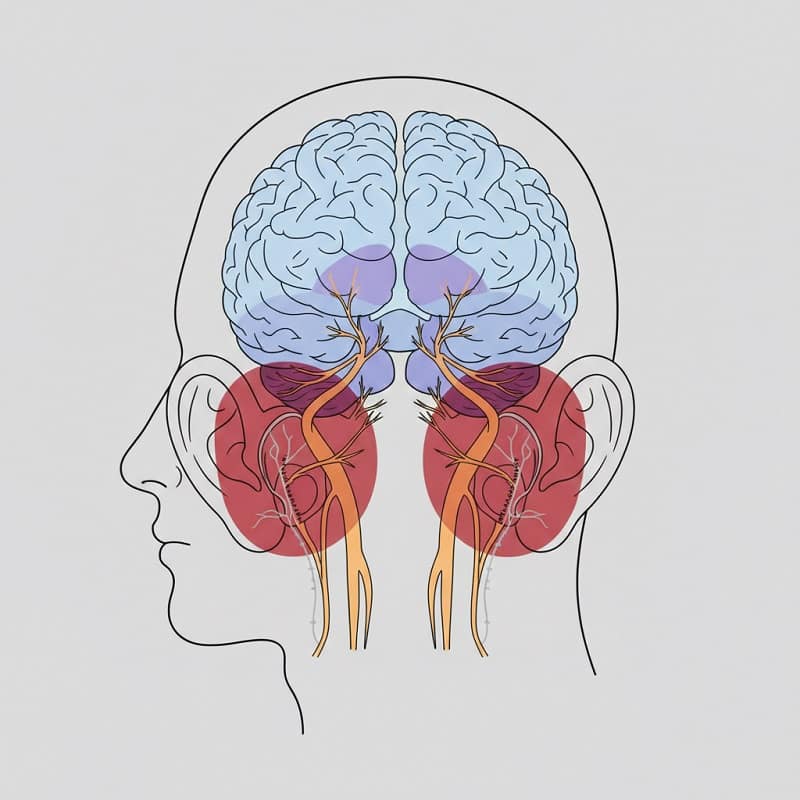
Bilateral Hearing Loss means hearing loss in both ears.
The level can be mild.
Or moderate.
Or severe.
Or profound.
Some people struggle only with soft sounds.
Others cannot hear speech without help.
This is usually a permanent condition.
Not always.
But often.
Temporary issues like earwax or a short infection do not count here.
Bilateral Hearing Loss usually involves damage to:
- The inner ear
- The hearing nerve
- The brain’s sound-processing system
Sometimes the outer or middle ear is involved in both ears at the same time.
Bilateral Hearing Loss can appear:
- At birth
- In early childhood
- Slowly with age
- Suddenly after injury or illness
There is no single pattern.
And that matters for treatment.
Symmetrical vs Asymmetrical Bilateral Hearing Loss
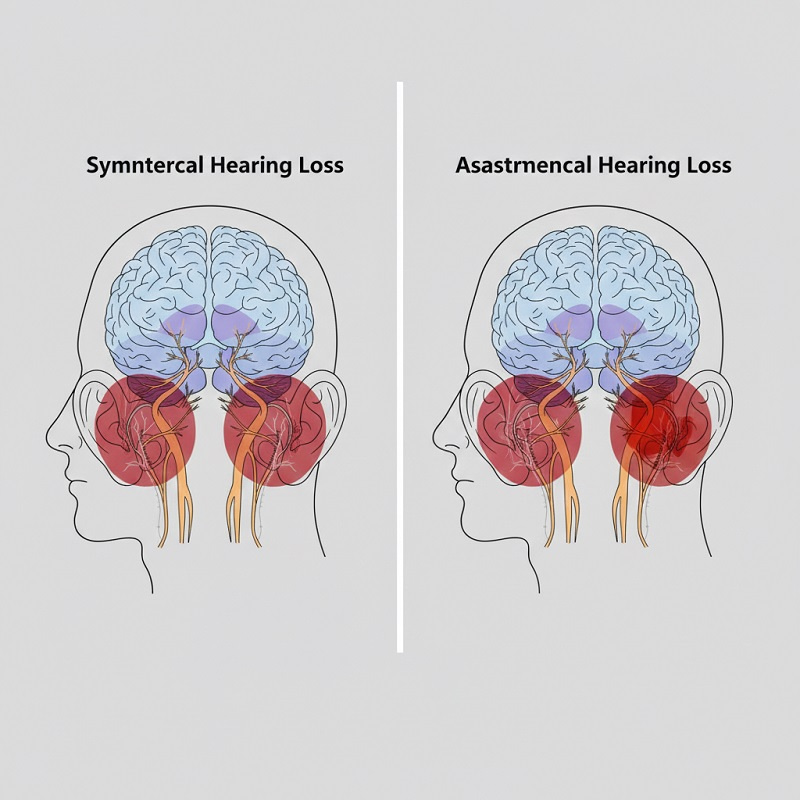
Not all Bilateral Hearing Loss looks the same.
Symmetrical Bilateral Hearing Loss
Both ears are damaged almost equally.
This is common with:
- Aging
- Long-term noise exposure
Most hearing aid fittings are based on this pattern.
Asymmetrical Bilateral Hearing Loss
Both ears have hearing loss, but one ear is clearly better.
This is more serious.
It often needs deeper medical testing.
Why?
Because asymmetry can point to:
- Nerve problems
- Tumors
- Inner ear disease
Never ignore this difference.
I don’t.
Degrees of Bilateral Hearing Loss
Doctors measure hearing loss by loudness levels.
But what matters is how it feels in real life.
Mild Bilateral Hearing Loss
- Soft speech is hard to hear
- Distant voices are unclear
- Group conversations feel tiring
Many people ignore this stage.
That’s a mistake.
Moderate Bilateral Hearing Loss
- Normal speech is difficult
- You ask people to repeat
- Noise makes everything worse
This is where frustration begins.
Severe Bilateral Hearing Loss
- Speech is mostly inaudible
- Only loud sounds are heard
- Communication without help is very hard
Daily life becomes exhausting.
Profound Bilateral Hearing Loss
- Speech is not heard
- Loud sounds may not register
- Devices are essential
But communication is still possible.
I want you to remember that.
I also write about dermatol for hair growth you can read by clicking here
Types of Bilateral Hearing Loss
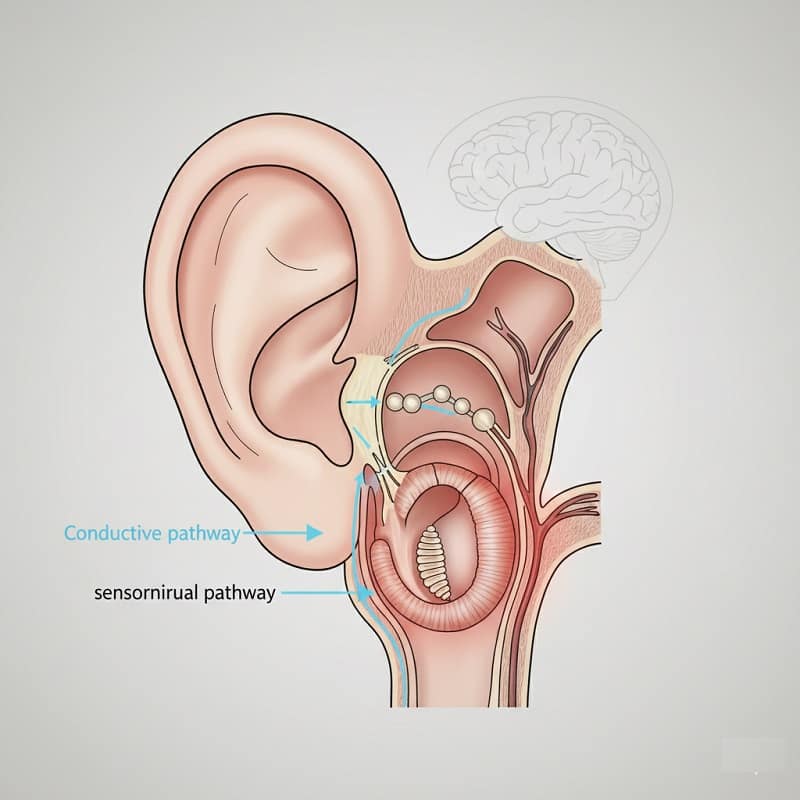
1. Bilateral Conductive Hearing Loss
Sound cannot travel properly through the outer or middle ear.
Common causes include:
- Repeated ear infections
- Fluid buildup
- Heavy earwax
- Otosclerosis
- Torn eardrums
This type is often treatable.
Especially in children.
2. Bilateral Sensorineural Hearing Loss
This is the most common type.
It happens when:
- Inner ear hair cells are damaged
- Hearing nerves stop working properly
This damage is usually permanent.
There is no cure.
But management is very effective today.
Common Symptoms of Bilateral Hearing Loss

Symptoms depend on severity.
But many people share the same struggles.
Adults often notice:
- Muffled speech
- Trouble understanding noise
- Difficulty with women’s or children’s voices
- Loud TV or phone volume
- Ringing in the ears (tinnitus)
- Mental fatigue
- Avoiding conversations
Children may show:
- Delayed speech
- Poor attention
- Trouble following instructions
- Learning difficulties
- Behavior problems
This is not laziness.
This is hearing loss.
What Causes Bilateral Hearing Loss?
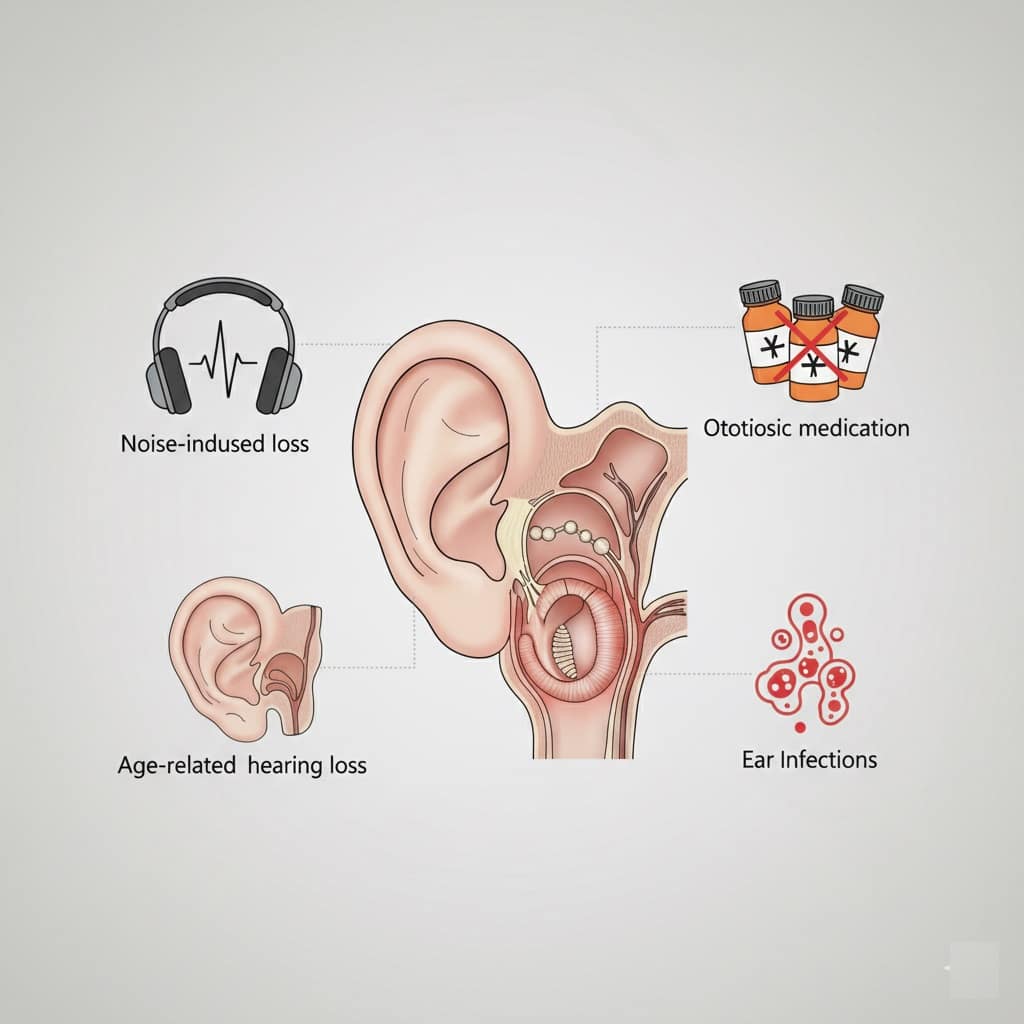
Sometimes the cause is clear.
Sometimes it’s not.
Noise Exposure
One of the biggest causes.
And one of the most preventable.
Examples:
- Loud machines
- Music through headphones
- Fireworks
- Explosions
Damage builds slowly.
And it does not reverse.
Age-Related Hearing Loss (Presbycusis)
This happens gradually.
- Inner ear cells wear out
- High-pitched sounds disappear first
- Speech becomes unclear
Very common.
Very underestimated.
Infections
Some infections damage hearing permanently:
- Meningitis
- Measles
- Mumps
- Chronic ear infections
Early treatment matters more than people think.
Ototoxic Medications
Some medicines harm the inner ear.
These include:
- Certain chemotherapy drugs
- Strong antibiotics
- High-dose aspirin
- Some diuretics
Always ask about hearing risks.
I always do.
Genetic and Congenital Causes
Some people are born with Bilateral Hearing Loss.
Reasons include:
- Inherited gene changes
- Pregnancy infections like CMV or rubella
- Genetic syndromes
No fault.
No blame.
Trauma
- Head injuries
- Pressure damage
- Surgical complications
Even one accident can change hearing forever.
Inner Ear Disorders
Examples include:
- Ménière’s disease
- Autoimmune inner ear disease
- Tumors on hearing nerves
These need specialist care.
Bilateral Hearing Loss in Children
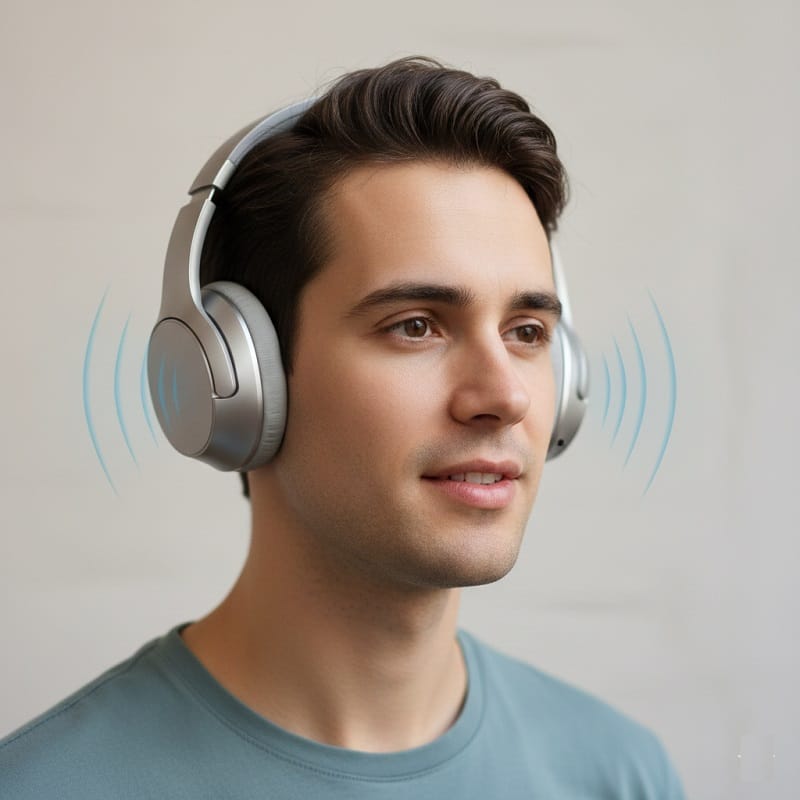
This topic deserves attention.
Permanent Bilateral Hearing Loss affects 1–2 out of every 1,000 children.
Early diagnosis is everything.
Without early help, children may struggle with:
- Speech
- Language
- Learning
- Confidence
But here is the truth.
When hearing loss is identified early, ideally before 8 months, children can develop normal communication.
Hearing aids.
Cochlear implants.
Speech therapy.
These change lives.
Delay steals opportunities.
I say that clearly.
How Bilateral Hearing Loss Is Diagnosed
Diagnosis is not guesswork.
Testing may include:
- Pure tone audiometry
- Speech understanding tests
- Tympanometry
- Otoacoustic emissions (OAEs)
- ABR testing for infants
- Medical imaging if needed
Regular hearing checks matter.
Especially for children and older adults.
Treatment Options for Bilateral Hearing Loss
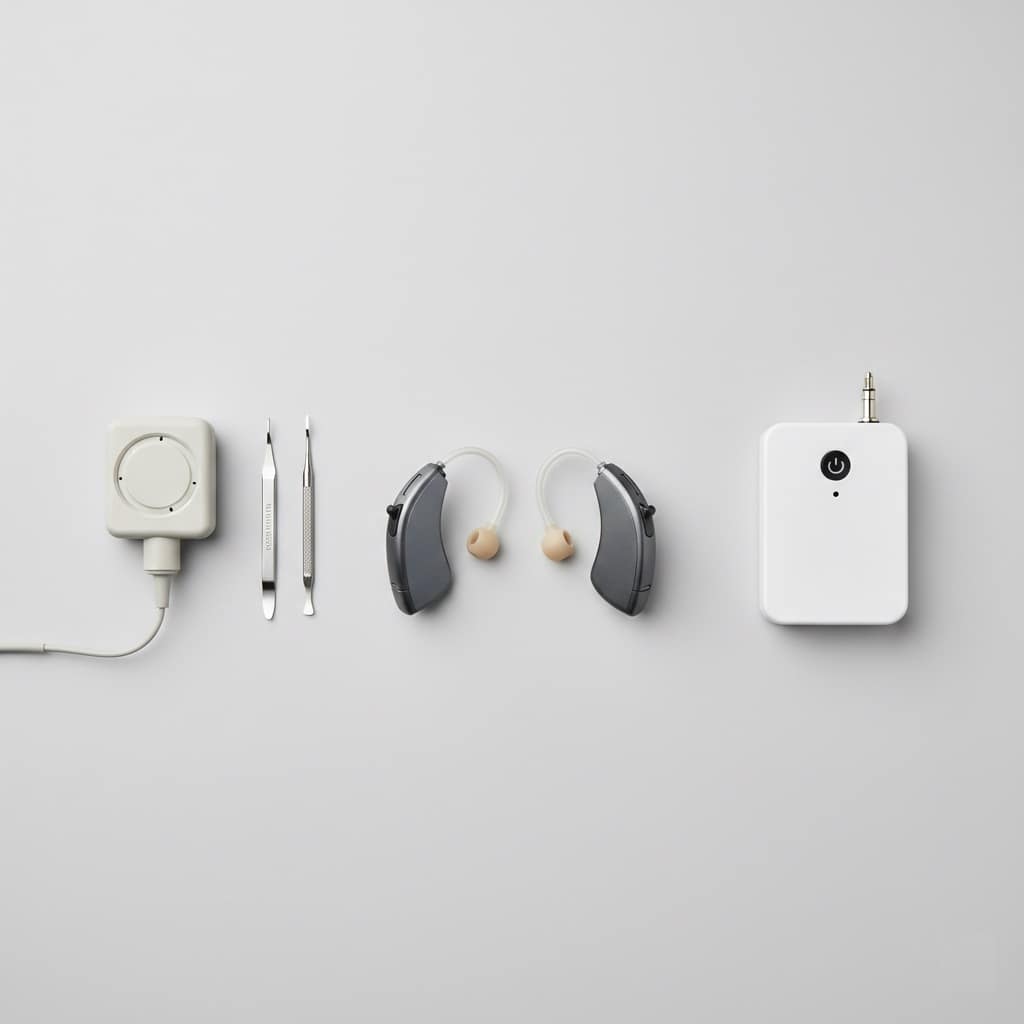
There is no one-size-fits-all solution.
But there are strong options.
Hearing Aids
The most common treatment.
Modern hearing aids:
- Are worn in both ears
- Improve speech clarity
- Reduce background noise
- Connect to phones and TVs
They do not restore normal hearing.
But they restore function.
That matters.
Cochlear Implants
For severe to profound Bilateral Hearing Loss.
These devices:
- Are surgically implanted
- Bypass damaged hair cells
- Stimulate the hearing nerve directly
Early implantation works best.
Especially in children.
Assistive Listening Devices
Helpful in difficult settings.
Examples:
- Classroom microphones
- FM systems
- TV amplifiers
- Phone boosters
Small tools.
Big impact.
Communication Options for Children
Families may choose different paths.
Some use:
- Spoken language
- Sign language
- Or both
Options include:
- British Sign Language (BSL)
- Sign Supported English (SSE)
- Bilingual approaches
There is no “wrong” choice.
Only informed ones.
Living With Bilateral Hearing Loss

Life does not end with this diagnosis.
But it does change.
And adaptation matters.
Practical Daily Tips
I recommend these strongly:
- Tell people you have hearing loss
- Ask others to face you
- Reduce background noise
- Ask for rephrasing, not repetition
- Learn lip-reading
Small changes.
Huge relief.
At School or Work
Support makes success possible.
Helpful steps include:
- Sitting near the speaker
- Using assistive devices
- Clear communication rules
- Written instructions
This is accommodation.
Not special treatment.
Protecting Remaining Hearing
This is critical.
- Avoid loud noise
- Use ear protection
- Treat ear infections fast
- Get regular checkups
Preserving hearing is easier than replacing it.
Emotional and Social Impact
This part is often ignored.
Untreated Bilateral Hearing Loss increases risk of:
- Isolation
- Depression
- Anxiety
- Low confidence
- Mental fatigue
Listening takes effort.
Constant effort drains energy.
Getting help is not weakness.
It is strength.
Final Thoughts on Bilateral Hearing Loss

Bilateral Hearing Loss is serious.
But it is manageable.
With early diagnosis.
With proper technology.
With real support.
People of all ages can live full, connected lives.
No two cases are the same.
And that’s okay.
What matters is a personal approach.
One that respects medical needs, lifestyle, and emotional health.
If you or your child has Bilateral Hearing Loss, hear this clearly:
You are not alone.
Help exists.
Technology works.
And meaningful communication is absolutely possible.
Pingback: Dermatol for Hair Growth: The Truth, the Myths, and What Actually Works - healixahealth.com