

Stress is something most men don’t openly talk about.
Not because we don’t feel it, but because we don’t realize how deep the effects of stress on men can be, and we rarely have time to talk about it anyway.
We’re busy finishing work before deadlines.
We carry family responsibilities, so our minds are always stuck on duties.
Money worries add another layer of stress, because everything depends on it.
On top of that, there’s constant pressure to “stay strong,” no matter what’s going on.
For many of us, stress becomes part of daily life. So normal that we stop noticing it.
The problem is — the body never stops noticing.
Table of Contents
Effects of Stress on Men: More Than Just Overthinking
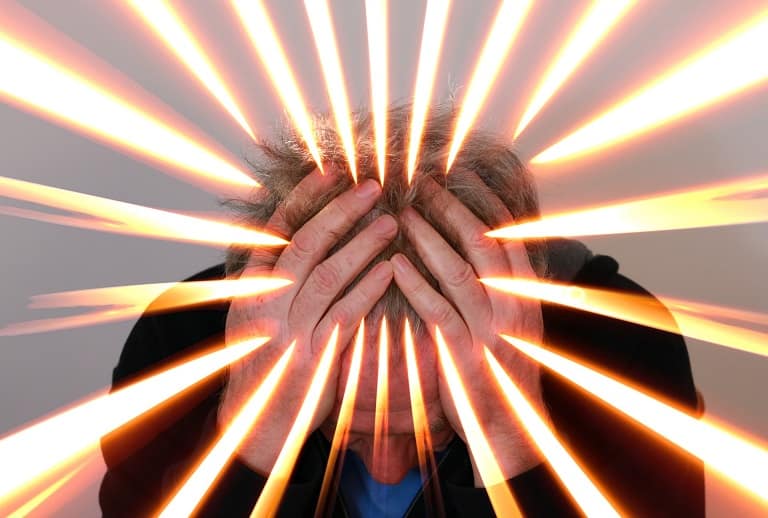
A lot of people think stress just means overthinking. That’s not true.
When you’re stressed, it actually changes how your body works.
It affects your heart, your stomach, your sleep, your mood, and even how you treat people.
You might look “fine” on the outside, but inside, your body is reacting.
Occasional stress can be managed.
But when stress becomes constant, it slowly starts damaging your system.
Real-Life Example: A Very Common Situation

I have a friend, around 30 years old. He lives in Islamabad, Pakistan.
He teaches at a school and also gives home tuition.
After school, he goes from house to house teaching students, working long hours.
By the time he comes back to our room, he’s exhausted.
Bills need to be paid. Family expectations are there.
Personal time is almost zero.
He skips meals, sleeps late, scrolls on his phone at night, and says,
“I’ll rest later.”
At first, nothing feels too serious.
Then slowly — headaches start. Sleep becomes light.
Small things trigger anger. Food causes stomach issues.
And now his motivation is low too.
That’s how stress usually works.
Quietly. Not all at once.
Emotional Effects of Stress on Men We Don’t Really Talk About

We’re taught to handle pressure without showing weakness.
Because of that, emotional stress shows up in unhealthy ways.
Some common changes I’ve seen:
- Getting irritated over small things
- Sudden anger or impatience
- Mental restlessness even after resting
- Losing interest in things that used to feel good
- Pulling away from people instead of talking
Most of us don’t call this stress.
We just say, “I’m tired” or “I’m too busy.”
But emotional stress doesn’t disappear when you ignore it.
It grows.
How the Effects of Stress on Men Show Up in the Body

Stress doesn’t attack just one organ.
It affects multiple systems at the same time.
Heart and blood pressure
Our body releases hormones to handle difficult situations.
In short bursts, they help.
Like before an exam — stress makes you alert.
The problem starts when stress never stops.
The body keeps releasing those hormones again and again.
You stay in alert mode all the time.
The heart works harder. Blood pressure stays high.
Long-term stress puts real pressure on the heart.
Digestive problems
If stress is affecting your stomach, it’s not random.
Many men experience:
- Acidity or irregular bowel movements
- Loss of appetite or sudden strong cravings
- Feeling bloated even after normal meals
Even if eating habits don’t change much, stress alone can mess with digestion.
Sleep issues
One of the earliest signs of stress is bad sleep.
You’re tired, you lie down, but your mind won’t slow down.
You wake up without feeling fresh.
Over time, this drains your energy and focus
All these issues are effects of stress on men
Stress and Weight Changes

Stress doesn’t always cause weight loss.
For many men, it does the opposite.
Because of busy routines and mental pressure:
- We eat late at night and crave fast food or sweets
- Or we skip proper meals altogether
Fat usually collects around the belly.
Even if overall weight doesn’t seem high, this kind of fat is linked to health problems.
Behavioral Changes That Signal the Effect of Stress on Men’s Health

Stress quietly changes how we behave.
You might notice:
- Procrastinating important work, smoking more, or overusing tea/coffee
- Less patience at home, silence instead of talking to friends
- Excessive phone scrolling with no purpose (and yes, it hurts the eyes too)
We often think these are personality flaws.
Most of the time, they’re stress reactions.
Why Men Handle Stress Differently
Men usually carry stress internally and just keep moving forward.
Society praises this behavior.
But the body pays the price later — through illness.
Many men believe talking about stress won’t change anything.
In reality, silence often makes things worse.
From experience, men who accept stress early recover faster
than those who ignore it for years.
When Stress Becomes a Health Risk

Stress becomes dangerous when it starts affecting daily life.
Some signs:
- Frequent headaches, body pain, constant fatigue
- Reduced sexual interest or emotional numbness
At this point, stress is no longer “normal pressure.”
It’s a real problem.
Practical Ways Men Can Reduce Stress (Without Big Lifestyle Changes)

Managing stress doesn’t require extreme routines.
Small changes work better.
- Regular walks or light exercise reduce mental tension
- Less screen time before bed improves sleep
- Simple, timely meals support digestion you can read about good food.
- Talking to someone you trust lightens the mental load
- Setting boundaries at work protects long-term health
These aren’t quick fixes, but they prevent long-term damage.
A Realistic Ending Thought
Stress will always exist.
Work, family, and responsibilities don’t disappear.
The real problem isn’t stress.
It’s pretending it doesn’t exist.
Men who notice early signs quietly protect their health.
Those who ignore the effects of stress on men face bigger problems later when fixing them becomes harder.
Listening to your body isn’t weakness.
It’s basic self-respect.