
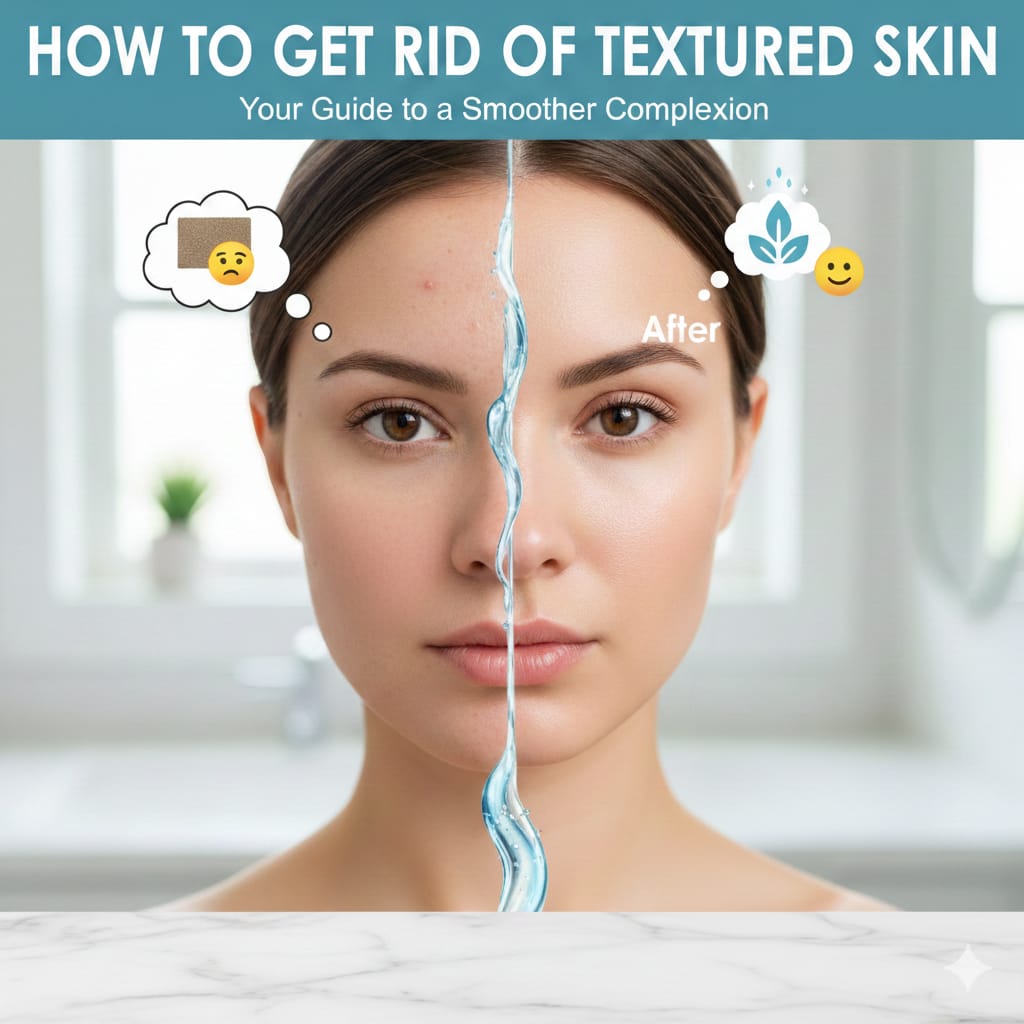
Let me say this first.
Perfect skin is a lie.
I have never seen a real human with glass-smooth skin all the time. Not in real life. Not even online without filters. Skin has pores. Skin has lines. Skin has texture. That part is normal.
But sometimes, texture goes too far.
Sometimes skin feels rough.
Sometimes it feels bumpy.
Sometimes makeup looks patchy.
Sometimes you touch your face and think, “Why does this feel like sandpaper?”
That is when people start asking the real question: How to Get Rid of Textured Skin.
This guide is my honest answer. No fancy talk. No medical drama. Just real explanations and real solutions that actually help.
Table of Contents
What Textured Skin Really Means

Textured skin means your skin does not feel smooth when you touch it.
It can look uneven.
It can feel dry.
It can feel bumpy.
You can see this texture clearly in sunlight or under bright lights. It also appear badly under makeup.
Common signs include:
- Small bumps
- Rough patches
- Dry flakes
- Visible pores
- Old acne marks
- Uneven skin surface
This can happen on the face, arms, legs, neck, back, or thighs.
And let me be clear.
Having some texture is normal.
The goal is not perfect skin.
The goal is healthier skin.
Where Textured Skin Shows Up Most
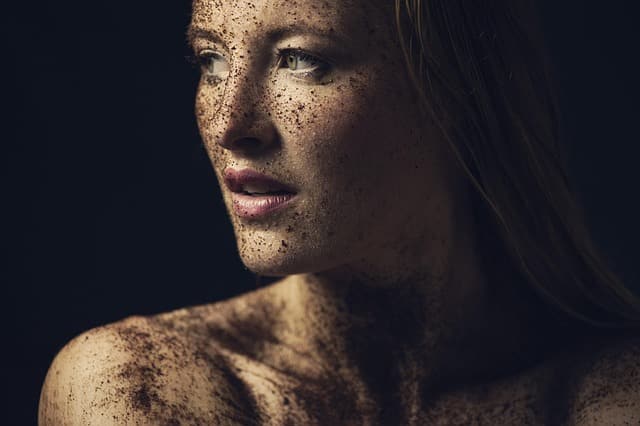
Texture does not appear randomly. Different areas have different reasons.
Face
This is the most common area. Clogged pores, acne, sun damage, and dehydration are significant contributors.
Neck
The neck gets sun damage easily and is often ignored in skincare.
Back
Sweat, dead skin, and acne cause roughness here.
Arms and Legs
Tiny bumps are common. This is often keratosis pilaris.
Thighs and Hips
Dryness, friction, and shaving can create texture.
Once you know the area, the cause becomes easier to understand.
Why Textured Skin Happens
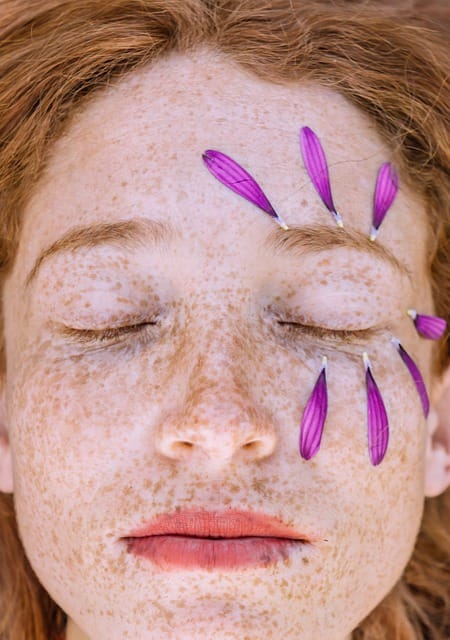
Textured skin is not caused by one single thing. It is usually a mix.
1. Dead Skin Buildup
Your skin sheds old cells every day. But sometimes those cells stay stuck. That makes skin rough and dull.
2. Dry or Dehydrated Skin
Dry skin lacks oil.
Dehydrated skin lacks water.
Both make skin uneven and flaky.
3. Too Much Oil
Extra oil traps dirt and dead skin inside pores. This creates bumps, especially on the nose and forehead.
4. Acne and Old Acne Marks
Breakouts damage the skin surface. Healing takes time. Texture stays behind.
5. Sun Damage
Sun breaks down collagen. Collagen keeps skin smooth. Less collagen means more texture.
6. Aging
As we age, skin becomes thinner and slower to repair itself.
7. Skin Conditions
Eczema, rosacea, psoriasis, and keratosis pilaris directly affect texture.
8. Doing Too Much
Too much scrubbing.
Too many products.
Too much exfoliation.
Trying too hard can actually make texture worse.
Step One: Know Your Texture Type

Before learning How to Get Rid of Textured Skin, you must understand your own skin.
Ask yourself:
- Does my skin feel rough or bumpy?
- Does makeup stick to dry areas?
- Do I see flakes or tiny bumps?
- Does my skin feel tight or oily?
Your texture might be:
- Dry and flaky
- Bumpy and clogged
- Oily with large pores
- Scarred from acne
- A mix of all of these
Once you know this, fixing it becomes much easier.
How to Get Rid of Textured Skin – Real Solutions
1. Exfoliate Gently (Not Aggressively)
Exfoliation removes dead skin. This is important.
But most people overdo it.
I strongly believe gentle exfoliation works best.
Do this instead:
- Exfoliate only 1–2 times a week
- Avoid rough scrubs
- Choose gentle chemical exfoliants
- Never exfoliate daily
Too much exfoliation damages skin and increases texture.
2. Hydration Is Everything
Many people think texture means dirt or oil.
Wrong.
Most texture problems are hydration problems.
Hydrated skin looks smoother because:
- Dead skin sheds properly
- Fine lines look softer
- Skin repairs faster
Look for ingredients like:
- Hyaluronic acid
- Glycerin
- Aloe vera
Apply hydration first. Then moisturiser.
Never skip this step.
3. Fix Your Skin Barrier
Your skin barrier protects you.
When it is damaged, texture appears.
Signs of a weak barrier:
- Stinging
- Redness
- Dry patches
- Rough feel
Ingredients that help:
- Ceramides
- Fatty acids
- Cholesterol
Once your barrier heals, texture improves naturally.
4. Retinol Can Help (If Used Correctly)
Retinol is powerful. I respect it.
It helps by:
- Increasing skin renewal
- Smoothing rough areas
- Improving acne scars
But misuse causes damage.
Safe rules:
- Use only at night
- Start once or twice a week
- Always moisturise
- Wear sunscreen daily
Retinol is slow. But it works.
5. Calm the Skin First
Inflamed skin never looks smooth.
If your skin burns, itches, or turns red, stop everything harsh.
Focus on calming ingredients:
- Niacinamide
- Oat extract
- Aloe vera
- Turmeric
Calm skin heals better.
6. Sunscreen Is Not Optional
If you skip sunscreen, nothing else matters.
Sun damage makes texture worse.
Daily sunscreen:
- Protects collagen
- Helps skin heal
- Prevents new texture
Even indoors, sunscreen matters.
7. Lifestyle Matters More Than You Think
Skin reflects habits.
Simple changes help:
- Drink enough water
- Eat healthy fats
- Avoid very hot showers
- Sleep properly
- Avoid harsh soaps
Skincare supports skin. Lifestyle builds skin
Can Makeup Fix Texture?
No.
Makeup can hide texture. Not remove it.
For better results:
- Hydrate skin first
- Use light foundation
- Avoid heavy powder
- Press makeup gently
Makeup should sit on skin. Not fight it.
When Professional Treatments Help
Sometimes skincare is not enough.
Professional options include:
- Chemical peels
- Micro needling
- Laser treatments
- Microdermabrasion
Always consult a trained dermatologist.
Never experiment blindly.
Preventing Texture From Coming Back
This is the part people ignore.
Texture returns when routines stop.
To prevent it:
- Keep skincare simple
- Be gentle
- Avoid trends
- Protect skin daily
Consistency beats everything.
Final Thoughts

Let me be honest.
Getting rid of textured skin takes time.
It takes patience.
It takes understanding your skin.
But it is possible.
When you focus on hydration, gentle care, barrier repair, and sun protection, skin improves on its own.
Texture is normal.
But suffering because of it is not.
Now you know How to get rid of textured skin the real way.
No shortcuts.
Just smart care.
if you are clear about how to get rid of textured skin now you can write this article for glowing skin
Pingback: 10 Foods for Glowing Skin Best Natural Food for Healthy Skin