
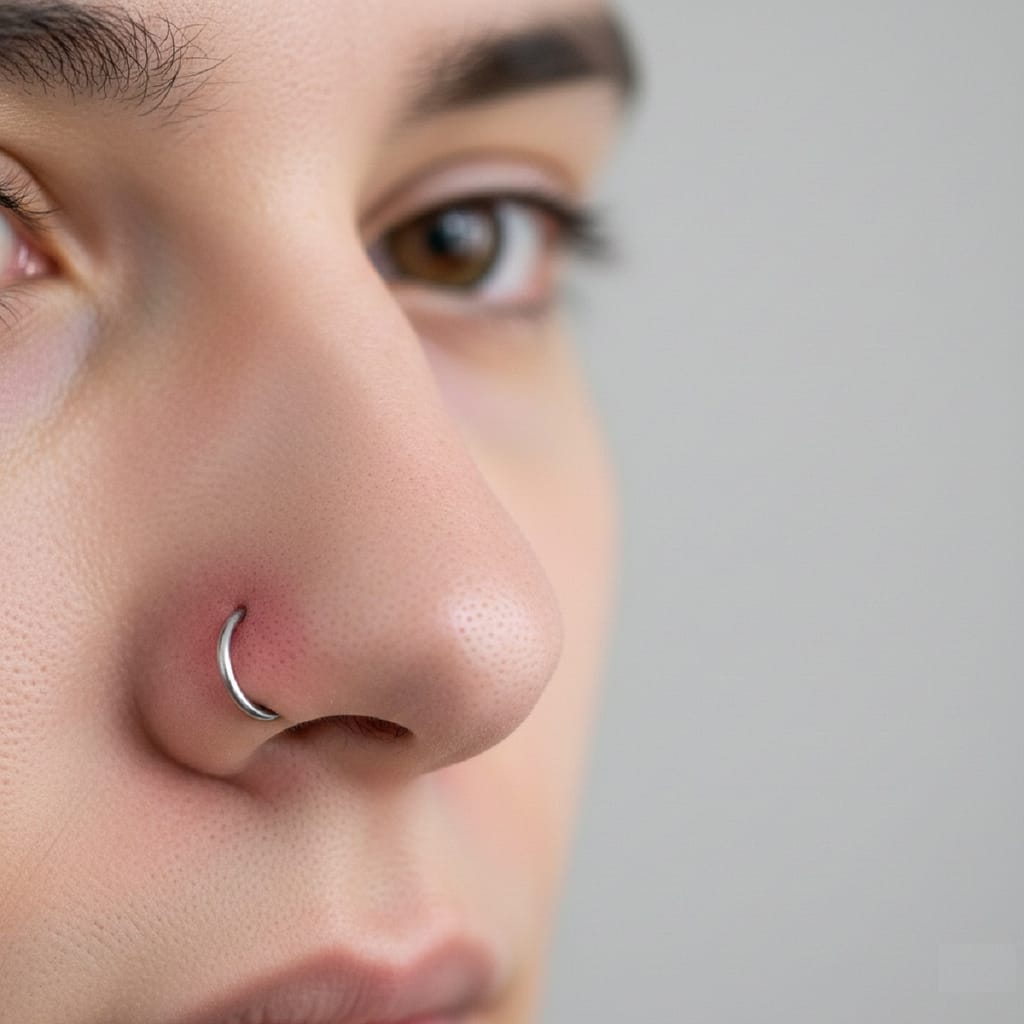
A nose piercing looks simple. It feels small. But the moment it turns red, swollen, and painful, fear kicks in fast. I have seen this many times. Someone enjoys their new piercing for a few days. Then the area starts throbbing. Yellow discharge appears. The question becomes urgent: Is this normal healing, or do I have an infected nose piercing?
Let me say this clearly. Not every irritated piercing is an infection. But every true Infected Nose Piercing deserves attention. The key is knowing the difference.
In this guide, I will walk you through everything. Signs. Causes. Treatment. Mistakes to avoid. When to relax. When to see a doctor. No fluff. No scare tactics. Just clear, health-based information explained in simple language.
Table of Contents
What Is an Infected Nose Piercing?
An Infected Nose Piercing happens when bacteria enter the piercing wound and begin to multiply. A piercing is an open wound. That is the truth. Your body treats it like any other injury.
When bacteria enter that wound and your immune system cannot control them quickly, infection develops.
This causes:
- Redness
- Swelling
- Pain
- Warmth
- Discharge (often thick and yellow or green)
Some inflammation is normal. Infection is different. Infection gets worse instead of better.
That is one of the simplest ways I look at healing versus infection.
If symptoms improve day by day, it is healing.
If symptoms increase day by day, I think infection.
Normal Healing vs Infected Nose Piercing
This is where most people get confused.
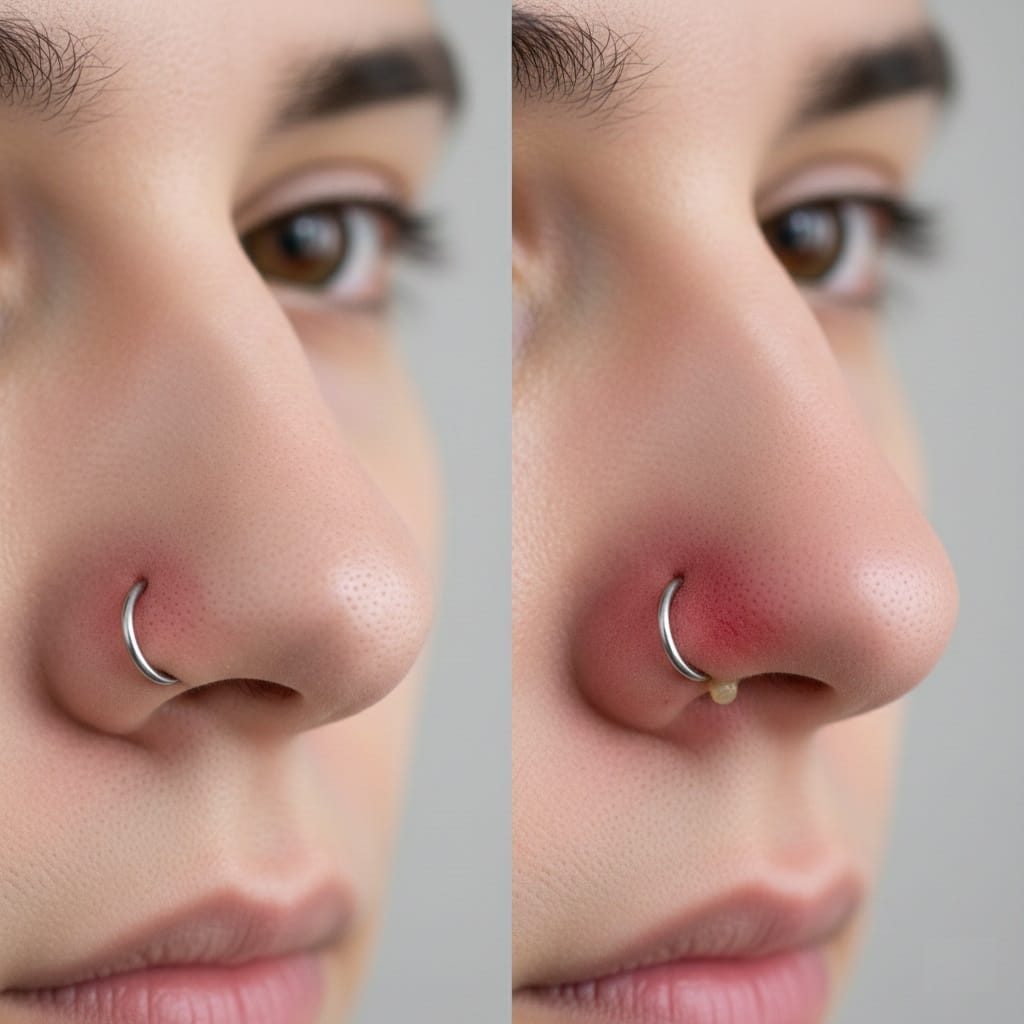
Normal Healing Signs
During the first 1–2 weeks, I expect:
- Mild redness around the hole
- Slight swelling
- Clear or pale yellow fluid that dries into crust
- Tenderness when touched
- Mild itching
This is your body repairing tissue. It may not look pretty, but it is normal.
Signs of an Infected Nose Piercing
Now this is different. With a true Infected Nose Piercing, I usually see:
- Increasing pain after day 4 or 5
- Spreading redness
- Skin that feels hot to touch
- Thick yellow or green pus
- Bad smell
- Swelling that gets worse, not better
- Fever (rare, but serious)
Pain is the biggest clue. Healing soreness slowly fades. Infection pain builds.
Infection or Allergic Reaction?
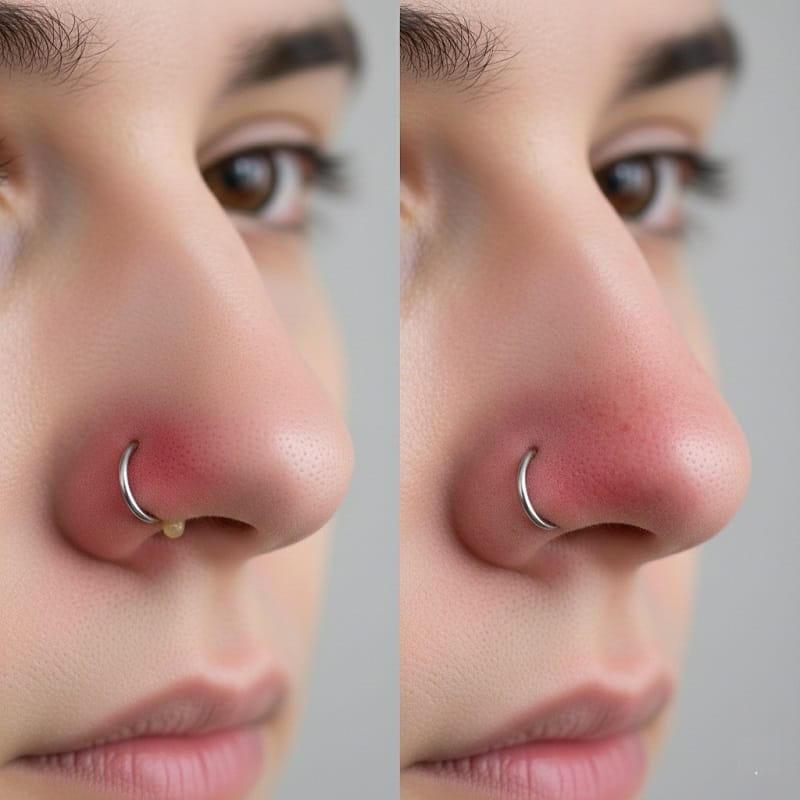
Sometimes it is not infection at all. It is metal sensitivity.
Nickel is the most common problem. Cheap jewelry causes trouble.
Allergic Reaction Signs
- Itching more than pain
- Rash-like redness
- Dry or flaky skin
- Small red bumps
- Clear discharge, not thick pus
When I switch someone to titanium or implant-grade steel and the problem improves fast, it was likely irritation, not an Infected Nose Piercing.
Infection feels deeper. Allergy feels itchy and surface-level.
Why Does an Infected Nose Piercing Happen?
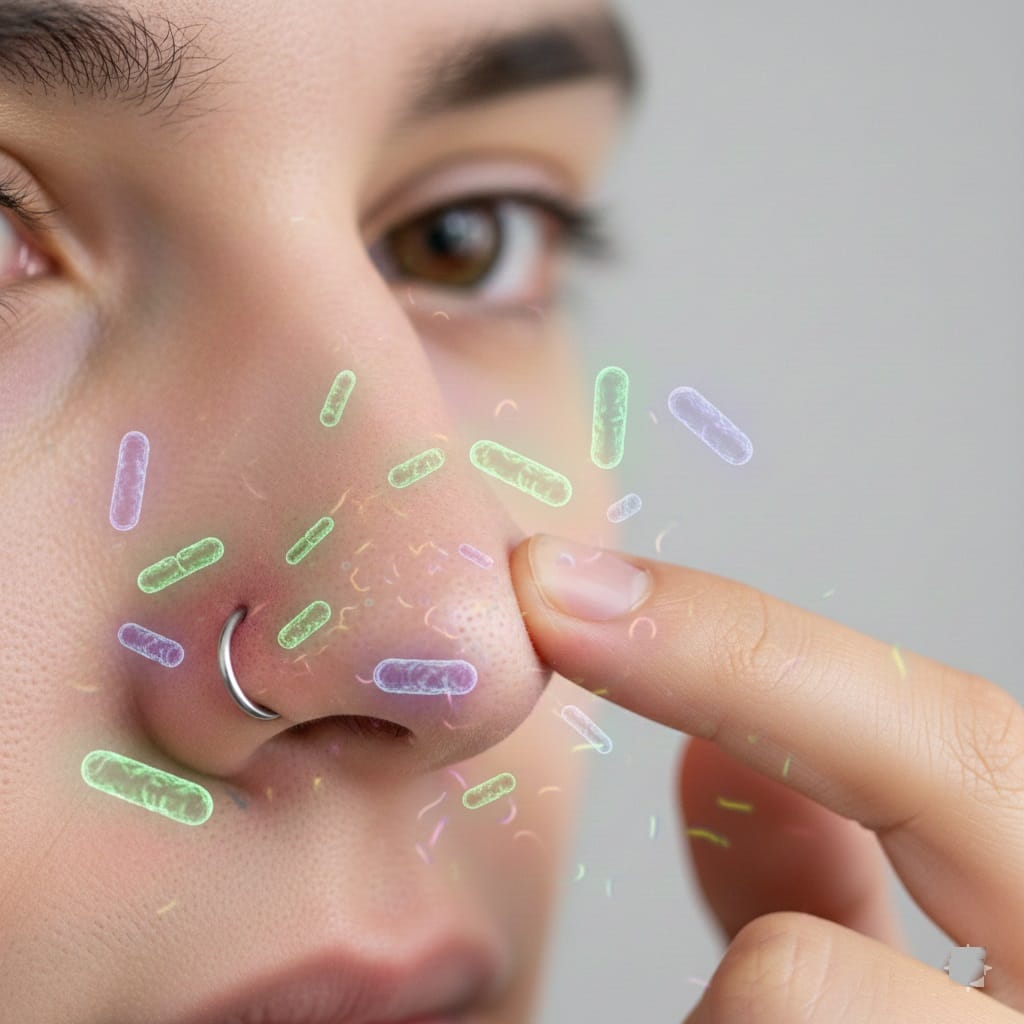
Infection is not random. There is always a reason.
1. Touching with Dirty Hands
This is number one. Hands carry bacteria. Every time you twist or play with jewelry, you risk contamination.
2. Poor Cleaning Routine
Cleaning too little allows bacteria to grow. Cleaning too much damages tissue. Balance matters.
3. Low-Quality Jewelry
Cheap metals cause irritation. Irritated skin breaks easier. Broken skin invites bacteria.
4. Trauma
Snagging the jewelry on clothes. Sleeping on it. Accidentally pulling it. All of this reopens healing tissue.
5. Unclean Piercing Studio
If sterile needles were not used, bacteria may have entered from the start.
6. Health Conditions
People with diabetes or weak immune systems heal slower. That increases risk of an Infected Nose Piercing.
What an Infected Nose Piercing Actually Feels Like
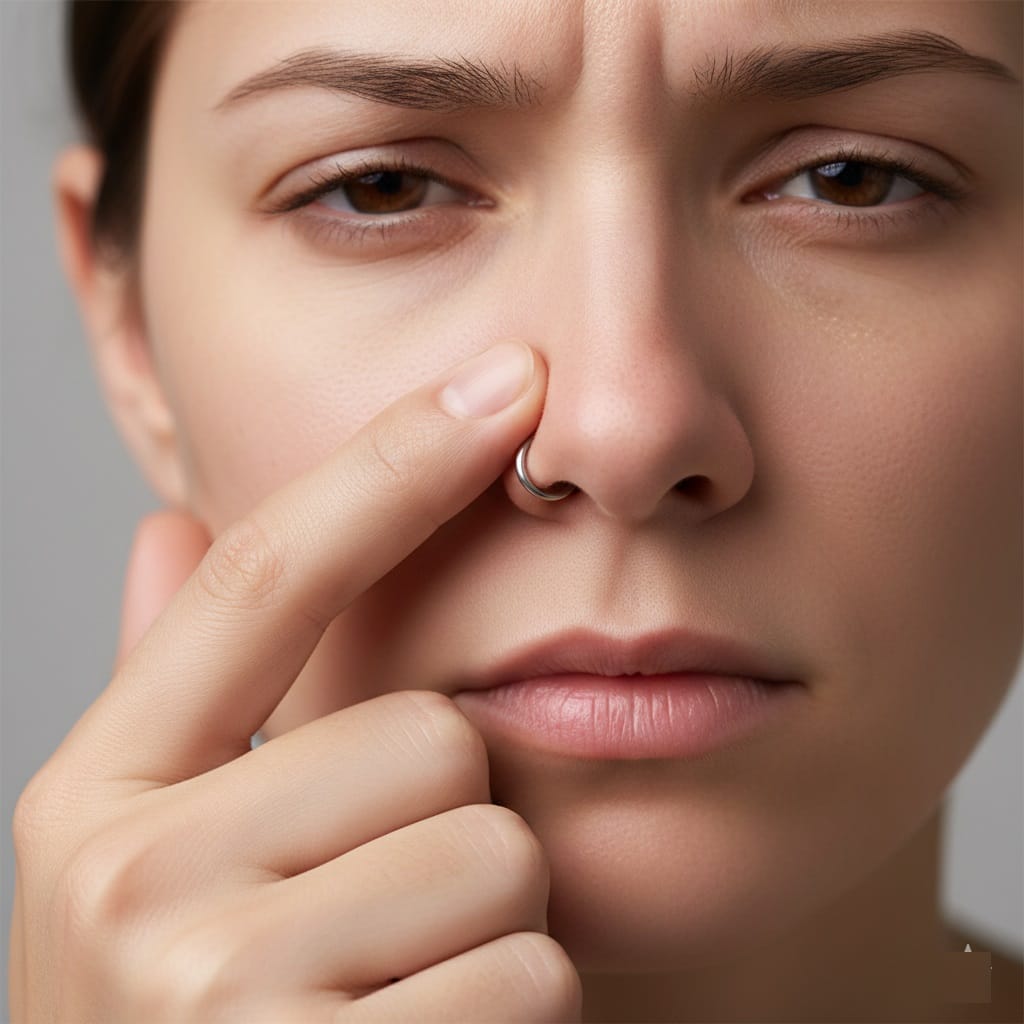
Let me describe it clearly.
It feels like:
- A deep throbbing sensation
- Tight skin from swelling
- Warmth when you touch the area
- Sharp pain if the jewelry moves
- Pressure inside the nostril
This is not mild tenderness. It feels active. Angry. Irritated.
If you wake up and it hurts more than yesterday, pay attention.
Healing Time: What Is Normal?
Understanding time frames reduces panic.
Nostril Piercing
2 to 4 months to fully heal.
Septum Piercing
6 to 8 weeks in most cases.
Cartilage Areas
Can take several months.
The first two weeks are the most sensitive. That is when an Infected Nose Piercing is most likely to develop.
Cartilage has less blood supply. That means infections there can become more serious if ignored.
Is an Infected Nose Piercing Dangerous?
Most are mild. That is the honest truth.
But some can become serious if ignored.
Usually Mild If:
- Redness stays localized
- Swelling is small
- No fever
- Discharge is minimal
More Serious If:
- Severe throbbing pain
- Rapid swelling
- Fever or chills
- Red streaks spreading outward
- Swelling that blocks breathing in the nostril
In rare cases, cartilage infections can damage tissue. That is why I never ignore worsening symptoms.
How Mild Infected Nose Piercings Are Commonly Cared For
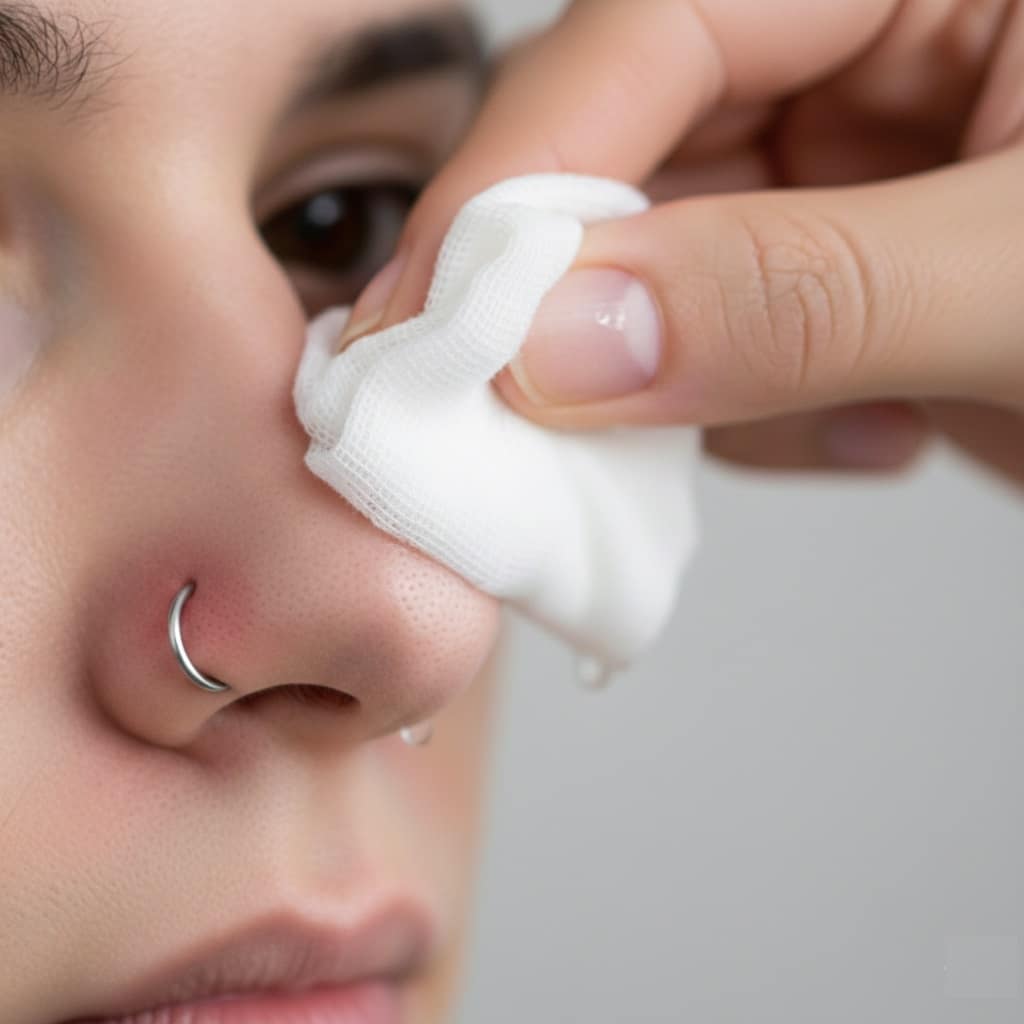
If it looks mild, I act calmly and consistently.
Step 1: Gentle Cleaning Twice Daily
I use sterile saline solution. Not strong chemicals.
Clean gently. Do not scrub. Pat dry with a clean paper towel.
Twice daily is enough.
Step 2: Warm Saline Compress
Warmth increases blood flow. Blood brings immune cells.
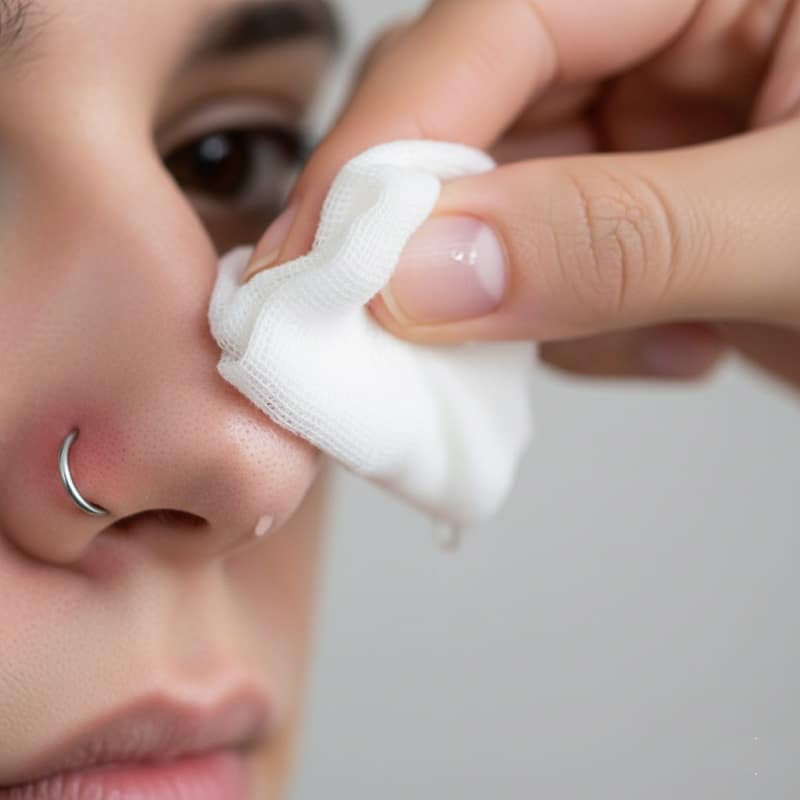
I soak clean gauze in warm saline and hold it on the area for 5–10 minutes.
This often reduces swelling and softens crust.
Step 3: Avoid Harsh Products
Never use:
- Undiluted hydrogen peroxide
- Rubbing alcohol
- Strong antiseptics
These damage healthy cells. Damaged cells heal slower.
Step 4: Leave the Jewelry In
This is important. With an Infected Nose Piercing, removing jewelry can trap infection inside the channel.
Only remove it if a doctor tells you to.
Step 5: Hands Off
No twisting. No playing. No checking every hour.
Healing needs peace.
When I Tell Someone to See a Doctor
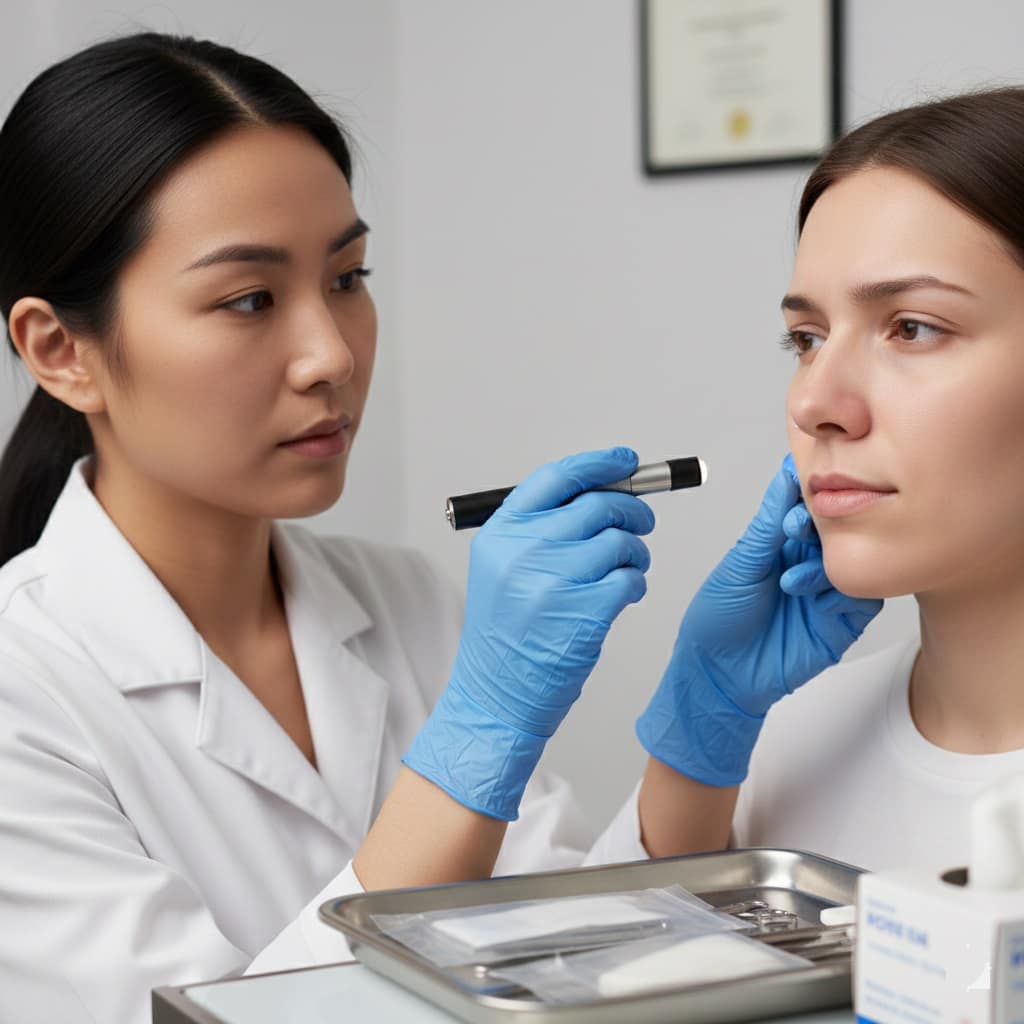
I do not delay medical care if:
- Pain becomes severe
- Swelling increases quickly
- Fever appears
- Symptoms worsen after 2–3 days of proper care
- There is thick, continuous pus
Doctors may prescribe oral antibiotics. Sometimes that is necessary. Early treatment prevents complications.
There is no shame in seeking help.
Common Mistakes That Make It Worse
I see these all the time.
Over-Cleaning
Cleaning 5–6 times a day irritates tissue. It does not speed healing.
Twisting Dry Jewelry
This tears healing skin.
Removing Jewelry Too Early
This can seal bacteria inside.
Using Cotton Balls
Fibers get trapped and cause irritation.
Swimming Too Soon
Pools and lakes contain bacteria. I always wait at least one week, often longer.
Using Undiluted Tea Tree Oil
It can burn skin. Natural does not mean safe.
Choosing the Right Jewelry
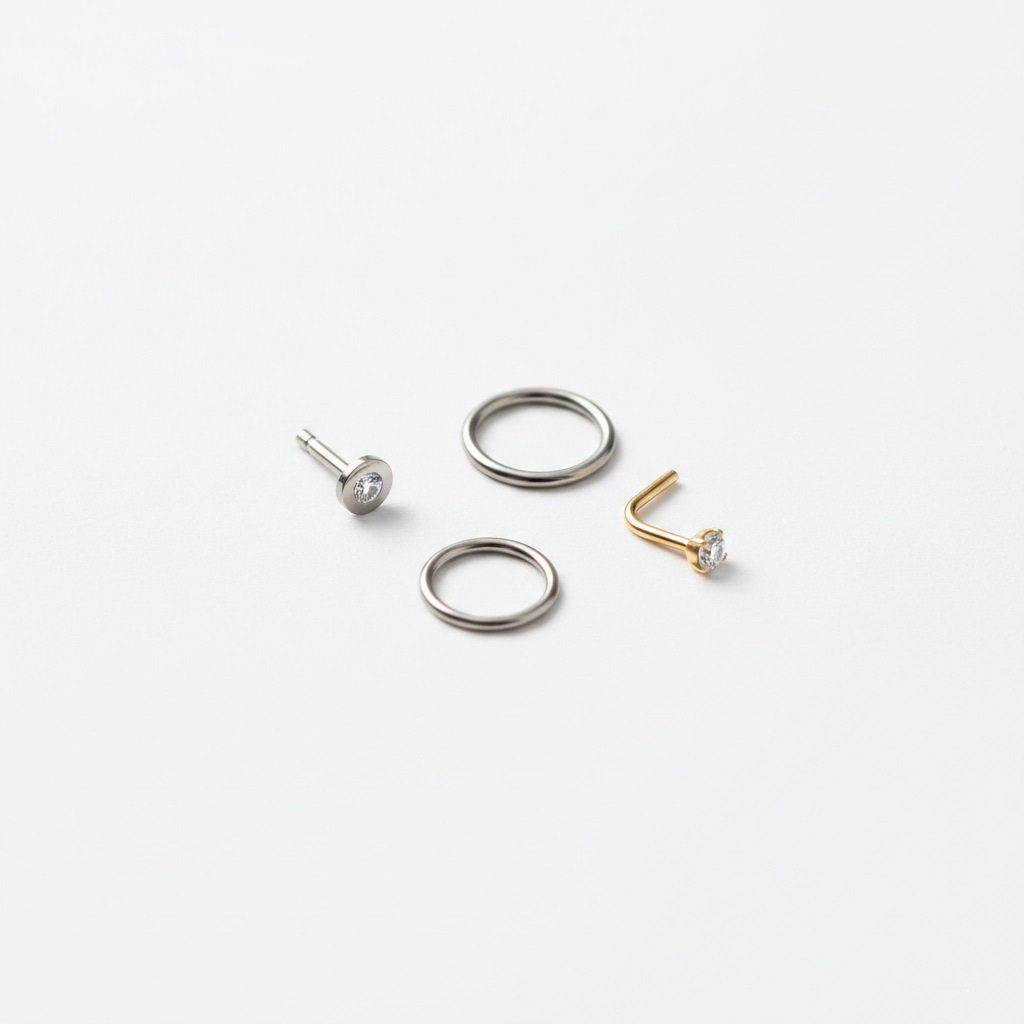
Jewelry quality matters more than people realize.
Best Materials
- Titanium
- Implant-grade surgical steel
- 14k or higher gold
These reduce irritation risk.
Avoid
- Cheap mixed metals
- Unknown alloys
- Jewelry that feels too tight
Proper fit prevents pressure swelling, which lowers risk of an Infected Nose Piercing.
If you need to change jewelry, visit a professional piercer.
How I Prevent an Infected Nose Piercing

Prevention starts before the needle touches your skin.
Before Piercing
- Choose a licensed piercer
- Ensure sterile needle use
- Observe studio cleanliness
Never allow piercing guns for nostrils. They cause tissue trauma.
After Piercing
- Wash hands before touching
- Clean twice daily
- Avoid makeup near the site
- Do not sleep on it
- Avoid unnecessary movement
If you have diabetes, keep blood sugar controlled. Healing depends on it.
i also write about burning eys problems you can read that article form this link
Frequently Asked Questions
How do I know if it is healing or infected?
If symptoms improve slowly, it is healing. If pain and swelling increase, think Infected Nose Piercing.
Should I remove jewelry if infected?
Usually no. Removing it may trap bacteria inside.
Can it heal on its own?
Mild infections often improve with proper care. Severe ones need medical treatment.
How long does an infected nose piercing take to heal?
Mild cases may improve in a few days. Severe infections may take weeks with antibiotics.
Is fever common?
No. Fever suggests the infection is spreading. Seek medical care immediately.
Important Note on Medical Information
This article is written for general informational purposes and reflects commonly accepted piercing aftercare practices and health guidance. It is not intended to replace professional medical advice, diagnosis, or treatment. Healing experiences can vary, and anyone with severe symptoms, worsening pain, fever, or underlying health conditions should consult a qualified healthcare professional.
My Final Advice
An Infected Nose Piercing feels scary because it is on your face. It is visible. It hurts. But most cases are manageable.
Here is what I always remember:
- Mild redness is normal.
- Worsening pain is not.
- Clean gently.
- Do not overdo products.
- Do not remove jewelry without guidance.
- Seek medical help if symptoms escalate.
Stay calm. Act early. Respect the healing process.
Most nose piercings heal beautifully when treated with patience and proper care.
Your style is worth protecting. Your health is more important.