

Hair loss hits deep.
It’s not cosmetic.
It’s emotional.
I’ve seen how fast panic sets in when hair starts thinning. People don’t just lose strands. They lose confidence. Identity. Control. That’s why the internet is flooded with desperate searches like “dermatol for hair growth” and “Damatol cream for hair.”
When fear takes over, logic often steps aside.
Let me be very clear from the start.
Dermatol was never created to regrow hair.
Not even close.
So why are people rubbing it on their scalp?
Why are there testimonials claiming miracles?
And is there any truth behind Dermatol for hair growth?
Let’s talk honestly.
No hype.
No marketing fluff.
Just facts, experience, and real science.
Table of Contents
What Dermatol (Damatol) Actually Is
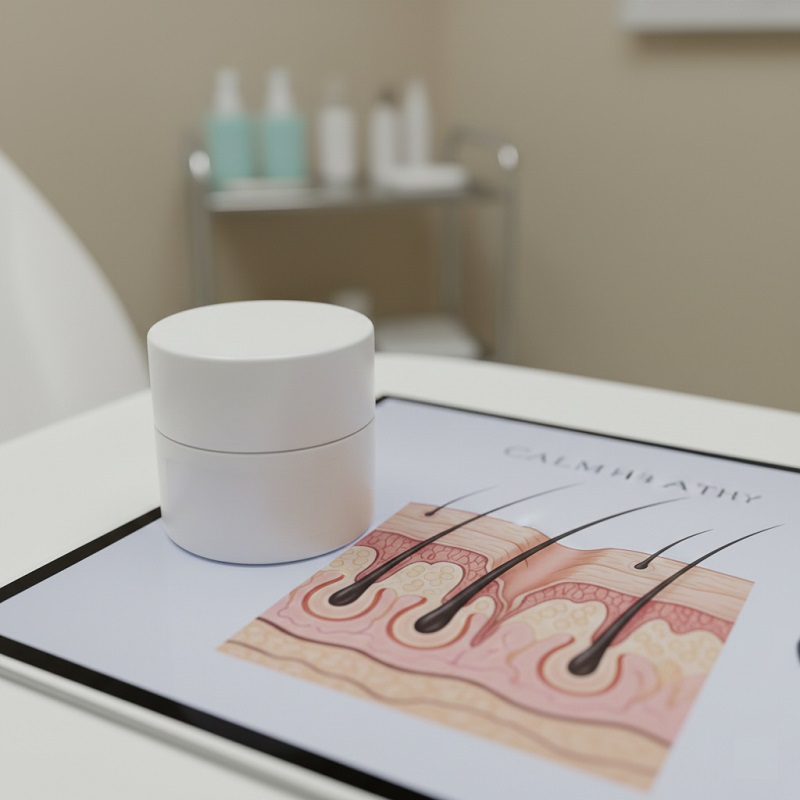
Dermatol, often sold as Damatol in South Asia and the Middle East, is an old-school medicated skin product. It existed long before influencers and viral hair hacks.
Its real purpose is simple.
Dermatol is designed to protect and calm irritated skin.
Doctors and pharmacists recommend it for:
- Scalp irritation
- Dandruff and flaking
- Mild fungal or bacterial infections
- Eczema and dermatitis
- Inflamed or sensitive skin
- Minor cuts and wounds
Most formulations contain:
- Antiseptic agents
- Soothing compounds
- Skin-protective bases
- Sometimes vitamins A and E
And now the most important part.
Dermatol is not:
- A hair follicle stimulant
- A DHT blocker
- A growth-cycle activator
- A medical hair loss treatment
It is a skin-care product.
Not a hair-growth drug.
That distinction matters more than people realize.
Why “Dermatol for Hair Growth” Became a Trend

This trend didn’t appear because Dermatol grows hair.
It appeared because people confuse scalp improvement with hair regrowth.
Here’s what usually happens.
Someone has dandruff, itching, redness, or inflammation.
They apply Dermatol.
Within days or weeks, they notice:
- Less itching
- Less flaking
- Less redness
- Less scratching
- Less breakage
Their hair looks better.
Feels thicker.
Falls less during washing.
And suddenly, the conclusion is made.
“Dermatol is growing my hair.”
It isn’t.
What’s happening is damage control, not creation.
The Scalp–Hair Relationship (This Is Crucial)
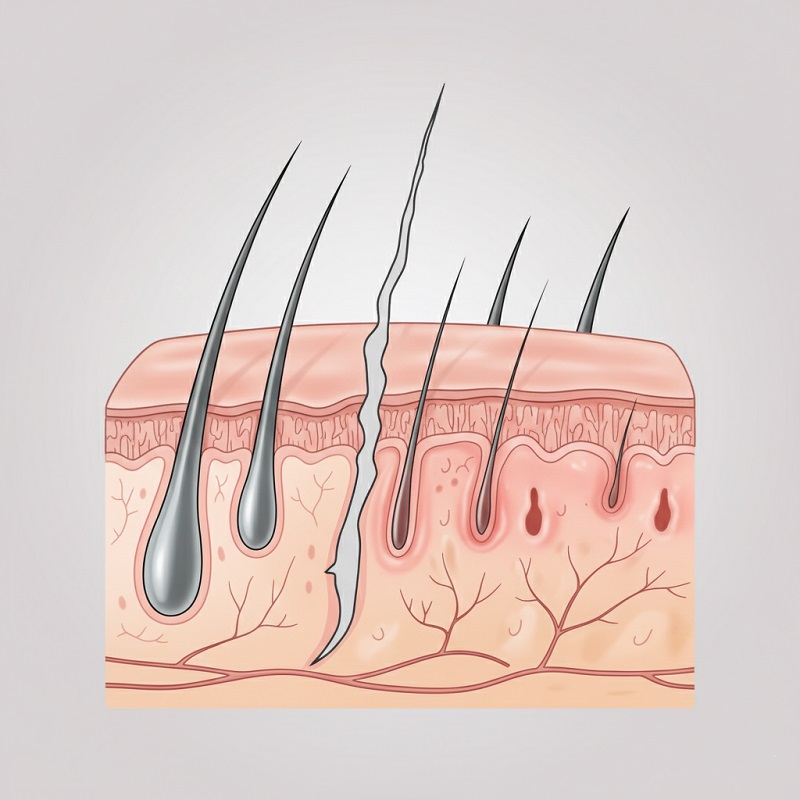
Hair follicles don’t float in space.
They live inside your scalp.
When the scalp is:
- Inflamed
- Infected
- Dry
- Constantly irritated
Hair suffers.
You’ll see:
- Increased shedding
- Fragile strands
- Breakage near the roots
- Hair that looks thin even if follicles are alive
So yes, improving scalp health can make hair look better.
But that’s not the same as growing new hair.
I explain it like this:
Fixing the soil helps plants survive.
It does not create new seeds.
Dermatol helps the soil.
It does not plant new follicles.
Vitamins A and E: Helpful, Not Magical
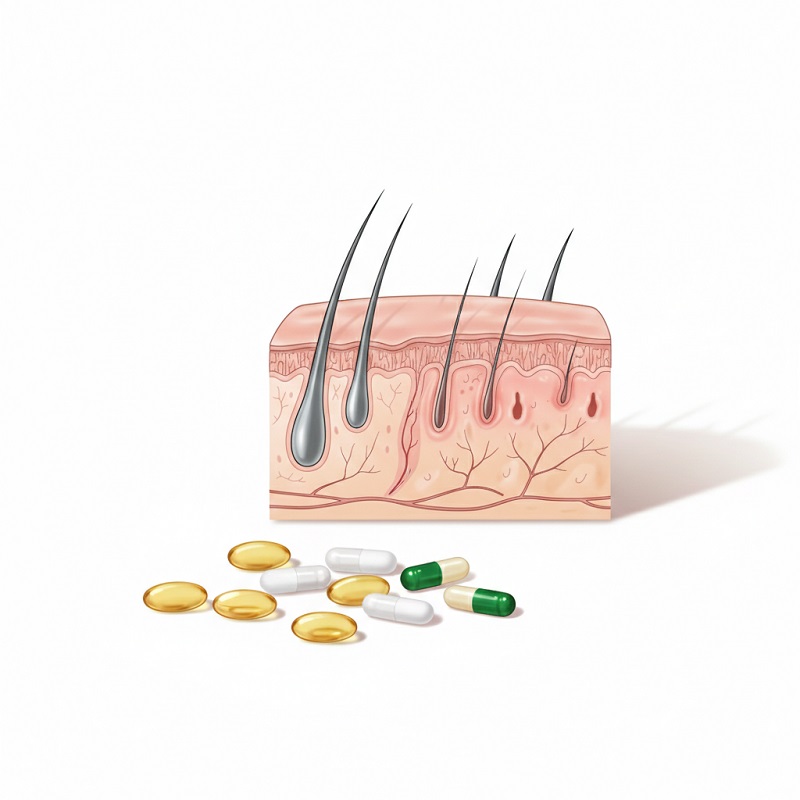
One reason people believe in Dermatol for hair growth is its vitamin content.
Let’s clear this up.
Vitamins A and E:
- Support skin barrier function
- Help retain moisture
- Reduce surface-level oxidative stress
- Calm irritated skin
All good things.
But topical vitamins do not reliably penetrate deep enough to trigger hair growth.
Hair growth happens in the dermal papilla, deep beneath the skin surface. Dermatol works on the outer layers of the scalp.
So no matter how nourishing it sounds, Dermatol does not flip the hair-growth switch.
Healthy scalp? Yes.
New follicles? No.
What Science Actually Says About Dermatol for Hair Growth
This is where honesty matters.
There are:
- No clinical trials
- No controlled studies
- No dermatology guidelines
…that support Dermatol as a hair-growth treatment.
None.
Compare that with treatments like minoxidil, which has decades of research showing it can:
- Extend the anagen (growth) phase
- Increase hair shaft thickness
- Improve visible density in pattern hair loss
Dermatol has zero evidence at that level.
That doesn’t make it useless.
It makes it misunderstood.
Why Online Results Are Misleading
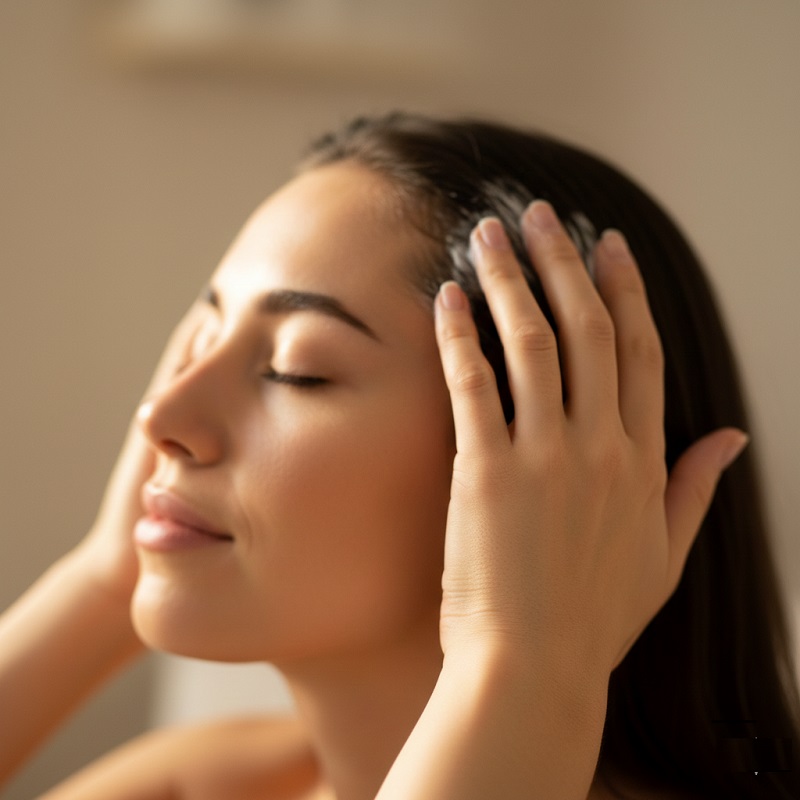
Before-and-after photos look convincing.
But they lie more often than people admit.
Here’s why:
- Lighting changes everything
- Hair oils increase shine and volume
- Shorter hair looks thicker
- Reduced shedding feels like regrowth
- Styling tricks hide thinning
- Placebo effect is powerful
- Many users combine products secretly
When hair fall slows, people assume growth started.
Reduced loss is not regrowth.
That distinction saves people years of false hope.
if you want to know about can dandruff cause Hair loss? than read this
The Real Pros of Using Dermatol on the Scalp

Let’s be fair. Dermatol does have benefits.
Pros
Affordable and accessible
Dermatol is cheap and easy to find in pharmacies.
Soothes irritated scalps
It can reduce itching, redness, and flaking.
Improves scalp comfort
Less inflammation means less stress on hair roots.
Generally safe when used correctly
Used sparingly, most people tolerate it well.
If your hair looks worse because your scalp is unhealthy, Dermatol may help indirectly.
The Real Cons (And They Matter More)
Cons
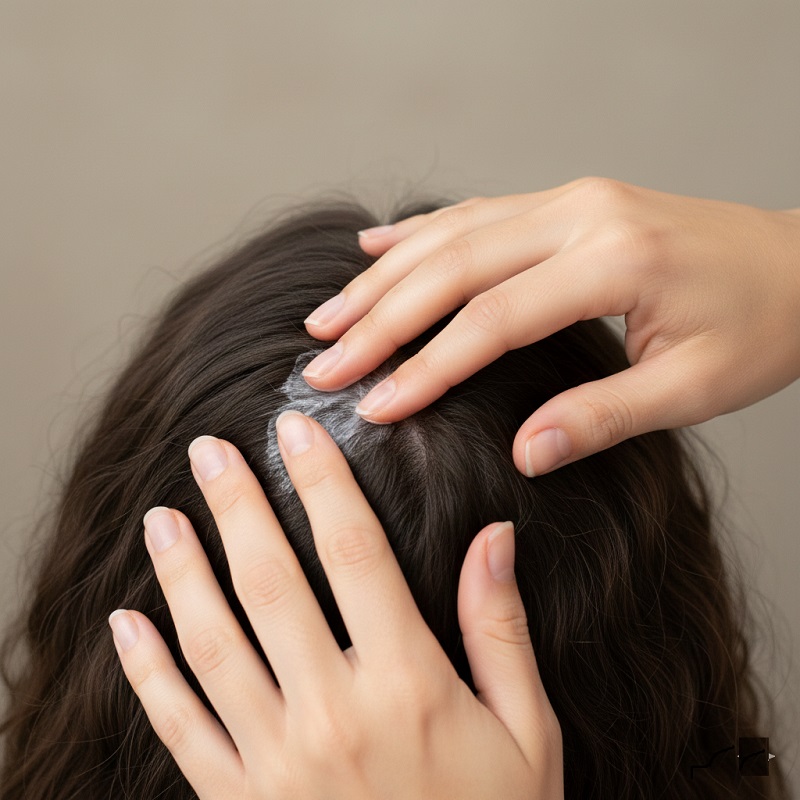
No hair regrowth evidence
None. Zero.
Doesn’t address root causes
Genetics, hormones, autoimmune conditions, and nutritional deficiencies are untouched.
Can delay real treatment
This is the biggest danger. Waiting too long makes hair loss harder to reverse.
Overuse can worsen scalp health
Too much can dry the scalp and increase fragility.
Dermatol helps symptoms.
It does not treat the disease.
How People Are Using Dermatol for Hair
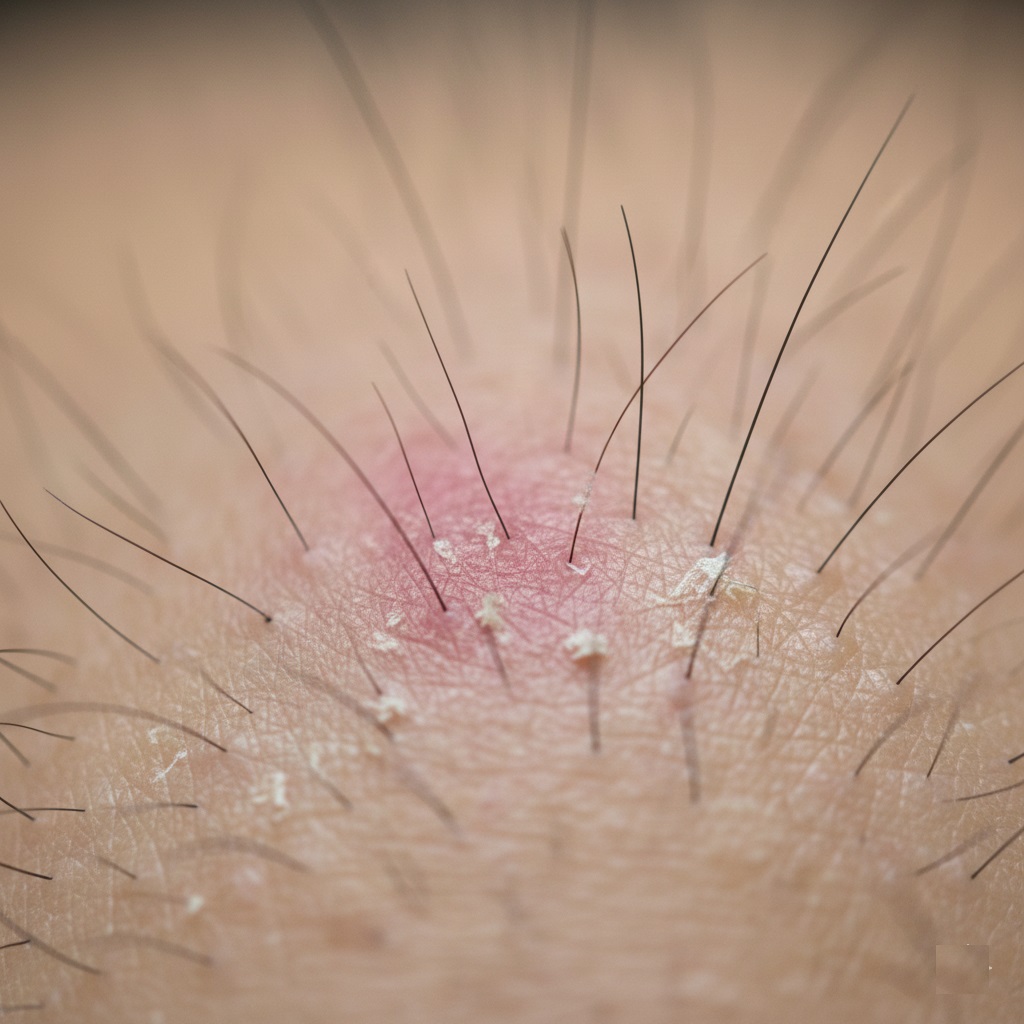
Because Dermatol is not marketed for hair growth, there’s no medical protocol.
People experiment.
Common methods include:
- Applying a thin layer to the scalp
- Focusing on flaky or itchy areas
- Leaving it overnight
- Using it daily or every other day
Safety rules I strongly believe in:
- Always patch test first
- Never apply to broken skin
- Stop if burning or redness appears
- Use minimal amounts
- Do not combine blindly with strong actives
Dermatol should never replace proven hair-loss treatments if regrowth is the goal.
Possible Side Effects You Should Know
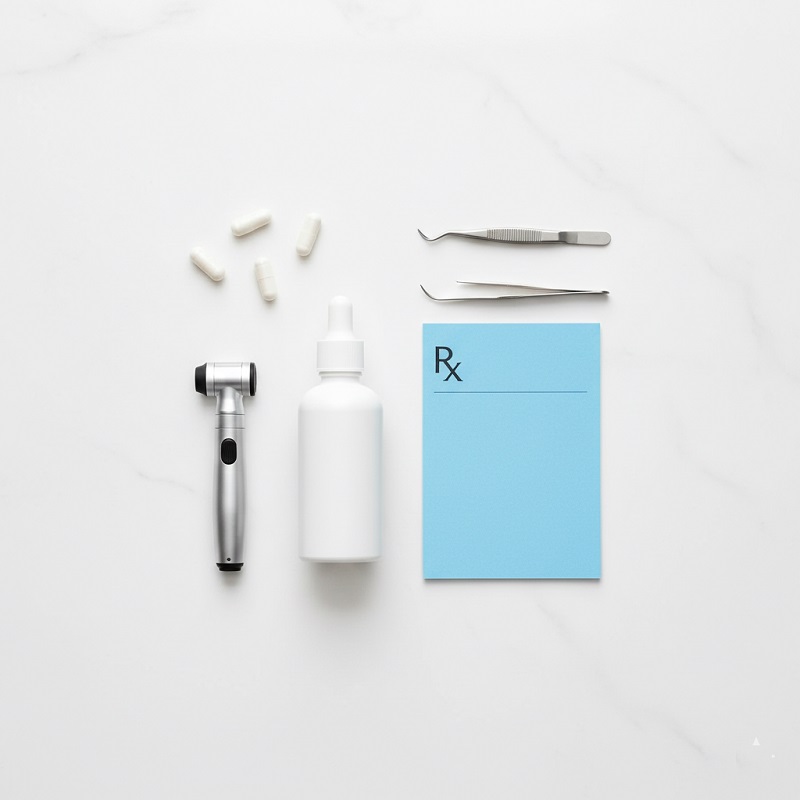
Dermatol is still medicated.
Possible reactions include:
- Redness
- Burning
- Stinging
- Contact dermatitis
- Allergic reactions to preservatives
Overuse can dry the scalp and increase breakage.
If you have:
- Psoriasis
- Severe eczema
- Chronic scalp disorders
See a dermatologist before experimenting.
What Actually Works for Hair Regrowth (Evidence-Based)
If you’re serious about hair growth, this is where attention belongs.
1. Topical Minoxidil
- FDA-approved
- Increases blood flow
- Extends growth phase
- Requires consistency
2. Oral Minoxidil (Doctor-Supervised)
- Stronger effects
- Easier compliance
- Requires monitoring
3. Finasteride (For Androgenetic Hair Loss)
- Blocks DHT
- Slows follicle shrinkage
- One of the most effective options
4. Corticosteroid Injections
- Used for alopecia areata
- Suppress immune attack on follicles
5. PRP Therapy
- Uses your own growth factors
- Results vary
- Expensive and not standardized
6. Low-Level Laser Therapy
- FDA-cleared devices exist
- Improves follicle metabolism
- Best as part of a combo plan
These treatments address biology, not just symptoms.
Why Combination Therapy Wins

Hair loss rarely responds to one solution.
Dermatologists agree on this.
Best results come from:
- Medical treatment
- Scalp health support
- Lifestyle improvements
- Early action
This is where Dermatol can fit.
As support.
Not as the hero.
I also write about Bilateral Hearing Loss you can also read that
So, Does Dermatol Help Hair Growth?
Here’s my honest answer.
No, not directly.
What Dermatol can do:
- Calm scalp irritation
- Reduce inflammation-related shedding
- Improve hair appearance
What it cannot do:
- Regrow lost follicles
- Stop genetic hair loss
- Replace medical treatment
Dermatol for hair growth is a misunderstanding, not a miracle.
Final Verdict: Is Dermatol Worth Using?
If your scalp is:
- Itchy
- Flaky
- Mildly inflamed
Dermatol can be useful.
If your goal is:
- Thicker hair
- New growth
- Reversing hair loss
Dermatol alone will not get you there.
Use it wisely.
Use it as support.
But don’t let internet myths cost you time.
Healthy scalp care matters.
But real hair growth requires real medical strategy.
And that truth saves hair—and peace of mind.