

I talk to a lot of people about eye strain. Every week, someone tells me the same thing. Dry eyes. Burning. Blurry vision by 3 PM. A dull headache that sits right behind the eyebrows.
Then comes the question I hear most: how to relax your eyes?
So let’s get into it. Eye strain is one of the most common complaints I come across, and honestly, it’s one of the easiest to fix. You don’t need a gadget. You don’t need a fancy routine. You need a few habits, done on purpose, every single day.
This guide covers exactly that. No filler. No exaggerated claims. Just what actually works.
Quick Answer
Relax your eyes by following the 20-20-20 rule, blinking more often, trying palming, shifting your focus between near and far objects, and stepping away from screens regularly. These habits lower eye strain and bring real comfort back to tired eyes.
Table of Contents
Why Your Eyes Feel Tired in the First Place
Here’s the part most people skip past.
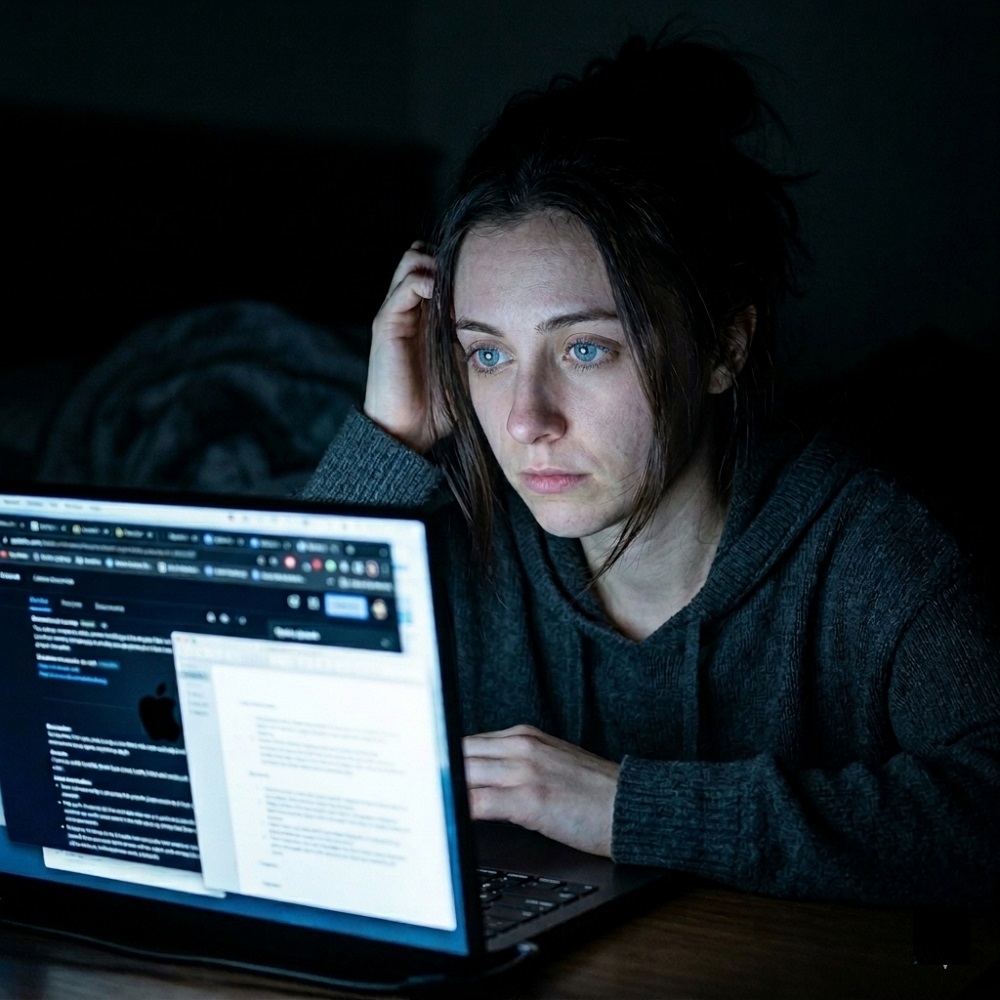
Your eyes have small muscles inside them. These muscles adjust your focus constantly, without you noticing. But when you stare at one thing for hours — a screen, a book, whatever — those muscles lock into position. They stop moving. And muscles that don’t move get stiff. Same as your neck after a long car ride.
There’s more working against you too.
Screens make you blink less. Most rooms are lit poorly for screen work. People sit too close to their monitors without realizing it. And breaks? Most of us forget those completely once we’re focused on something.
Put it all together and you get eye strain.
The usual signs are pretty easy to spot:
- Dry, gritty-feeling eyes
- A burning sensation
- Watery eyes, oddly enough
- Blurred vision that comes and goes
- Headaches, often around the temples
- Aching around the eye socket
- Tight shoulders or neck
Here’s the reassuring part. This kind of strain is almost always temporary. Once you know how to relax your eyes properly, most of this fades within days, not months.
What “How to Relax Your Eyes” Really Means
Let’s clear up a misconception first.
Relaxing your eyes won’t cure an eye condition. It won’t fix your prescription. That’s not what this is about.
What it does is release tension in overworked eye muscles and give them a real chance to recover. Think about stretching your legs after a long run. You’re not reshaping your muscles. You’re just easing them out of a tight, overworked state.
Eye relaxation works the exact same way.
And like stretching, it only pays off if you keep doing it. Once a month won’t cut it. Waiting until the pain shows up won’t cut it either. This needs to become a daily habit, even a small one.
The 20-20-20 Rule: Simple but Powerful

If you only take one thing from this article, take this.
Every 20 minutes, look at something 20 feet away for at least 20 seconds.
That’s the whole rule.
Why does it work? Because focusing on something far away lets your eye muscles unclench. When you’re staring at a screen, your eyes stay locked into a close-focus position the entire time. Nothing resets them. A quick glance into the distance does exactly that.
Set a timer on your phone if you know you’ll forget. It seems like a tiny thing to do. But stack it up over weeks and the difference is noticeable.
This single habit might be the fastest way to practice how to relax your eyes while you’re working.his is one of the easiest ways to practice how to relax your eyes during work.
According to the American Academy of Ophthalmology, taking regular breaks from screens can help reduce digital eye strain.
Blink on Purpose
Most people have no idea how much less they blink at a screen.
Under normal conditions, you blink somewhere between 15 and 20 times a minute. Put a screen in front of you, and that number drops to around 5 to 7. That’s a massive difference, and it matters more than people realize.
Blinking spreads tears across your eyes. Skip enough blinks, and your eyes dry out fast. Dryness leads to burning. Burning leads to itching. It’s a small annoyance that snowballs.
Try this instead:
- Blink rapidly for 10 to 15 seconds
- Then close your eyes gently for about 5 seconds
- Repeat that cycle two or three times
It’s a strange feeling how something this simple actually helps. If your eyes feel dry right now, pause and try it. You’ll notice the difference almost immediately.
Palming: Instant Darkness Therapy
This one’s my personal go-to.
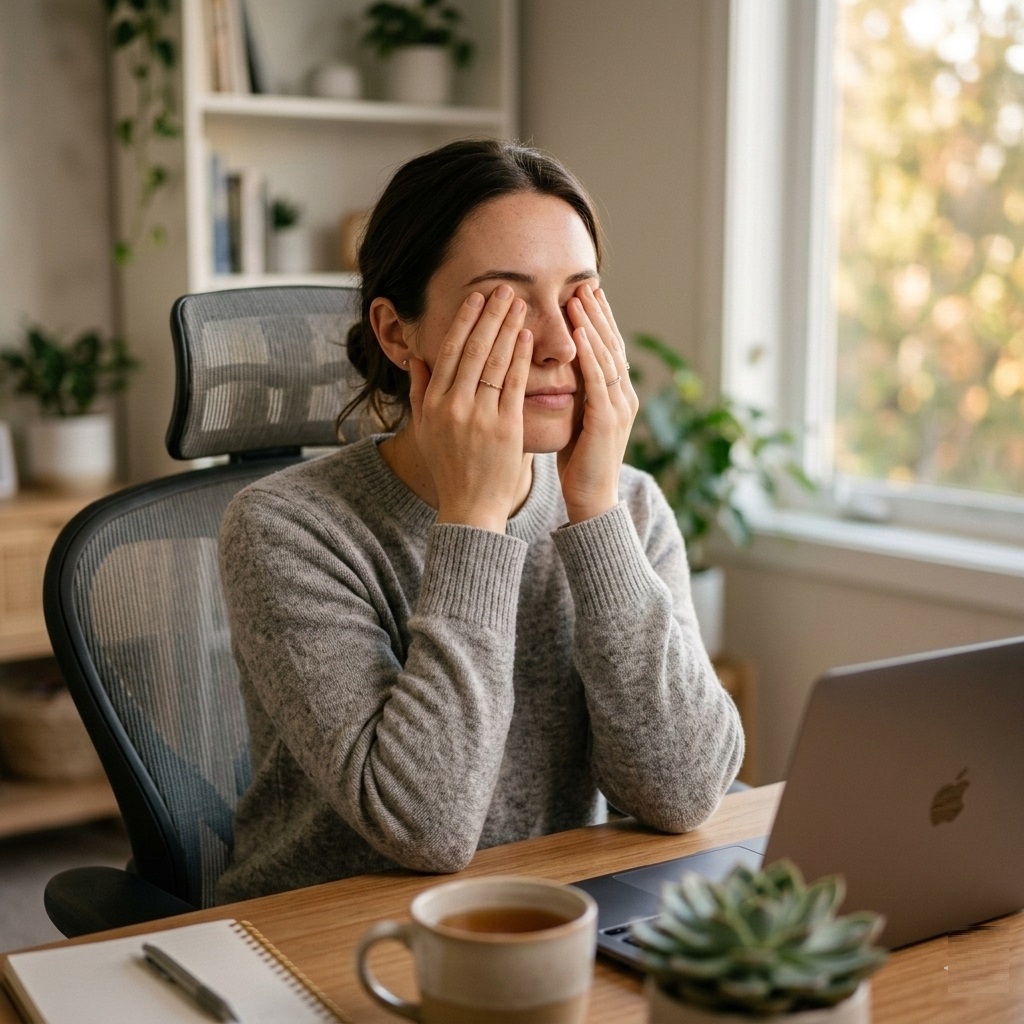
Rub your palms together until you feel warmth build up. Close your eyes. Cup your warm palms gently over them — don’t press, just cover. Sit there and breathe slowly for about 30 to 60 seconds.
Three things are happening here. The darkness lets your visual system switch off completely. The warmth soothes tension around your eyes. And the slow breathing calms your nervous system, which reduces overall tension in your face and shoulders too.
When someone asks me how to relax your eyes fast, palming is usually my first suggestion. No equipment. No special setup. You can do it at your desk, in a car, anywhere.
Focus Shifting Exercise
YYour eyes weren’t built to stare at one fixed distance all day. They’re meant to move — near, far, side to side, up and down. Screens have basically trained us out of that natural range.
Here’s a quick way to retrain it.
Hold your finger out at arm’s length. Focus on it for about 5 seconds. Then shift your focus to something far away for another 5 seconds. Repeat that ten times.
This won’t change your prescription. Let’s be clear about that. But it does loosen up stiff focusing muscles, and stiffness is exactly what causes that tight, strained feeling by the end of the day..
The Figure Eight Movement
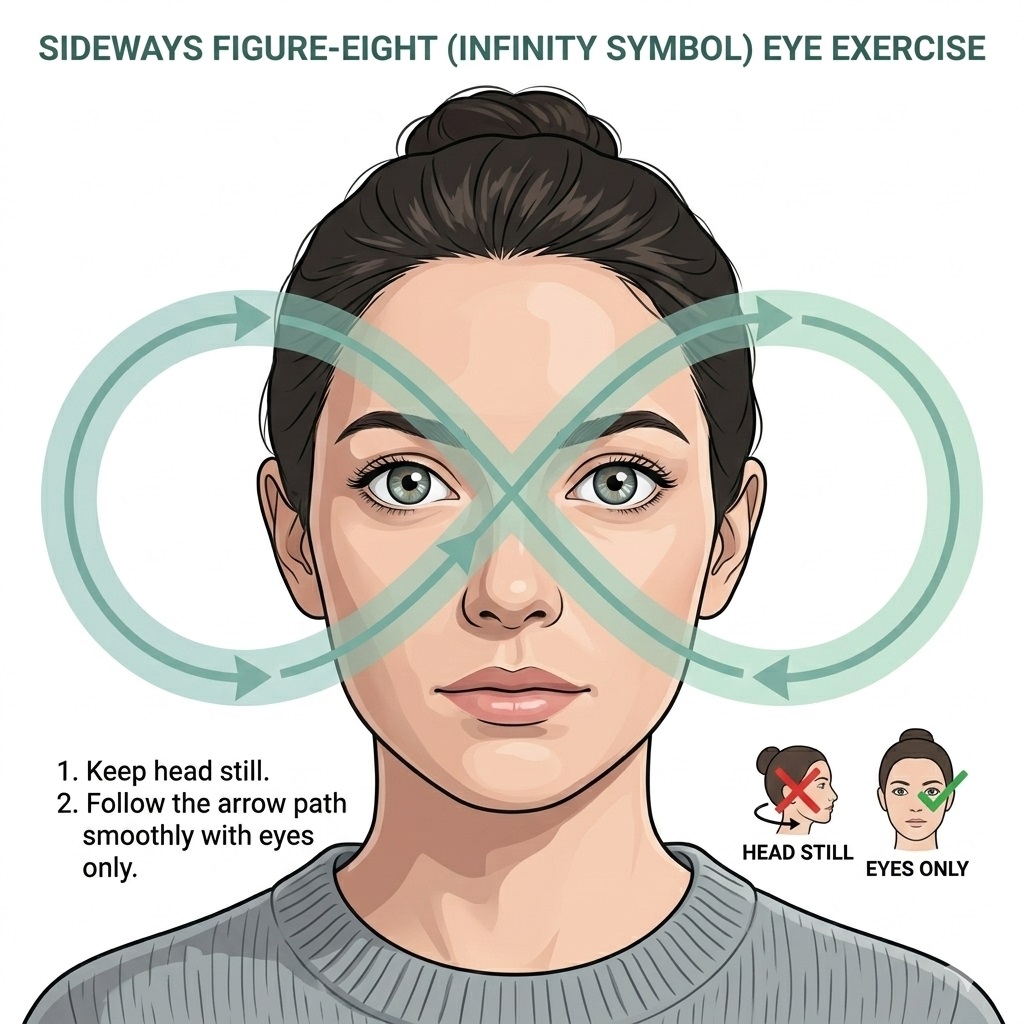
Picture a large number 8 lying on its side, right in front of you.
Trace that shape slowly using only your eyes. Keep your head completely still — the movement should come entirely from your eyes. Do this for about 30 seconds, then reverse direction and repeat.
This exercise encourages smoother eye movement and breaks up the fixed, unmoving stare that screens create over hours of use. Keep it gentle. There’s no benefit in forcing it or rushing through the motion.
Warm Compress at the End of the Day
By the end of a long day, your eyes have earned a little comfort.
Soak a clean cloth in warm water, wring it out, and place it gently over your closed eyes for 5 to 10 minutes.
Warmth increases blood flow to the area and eases tight muscles around the eyes. It’s genuinely calming, and it’s one of the easiest ways to wind down before sleep.
If you’re wondering how to relax your eyes right before bed, this is what I’d tell you to do.
Fix Your Workspace. This Matters More Than Exercises.
A lot of people jump straight to exercises and skip this part. That’s a mistake.
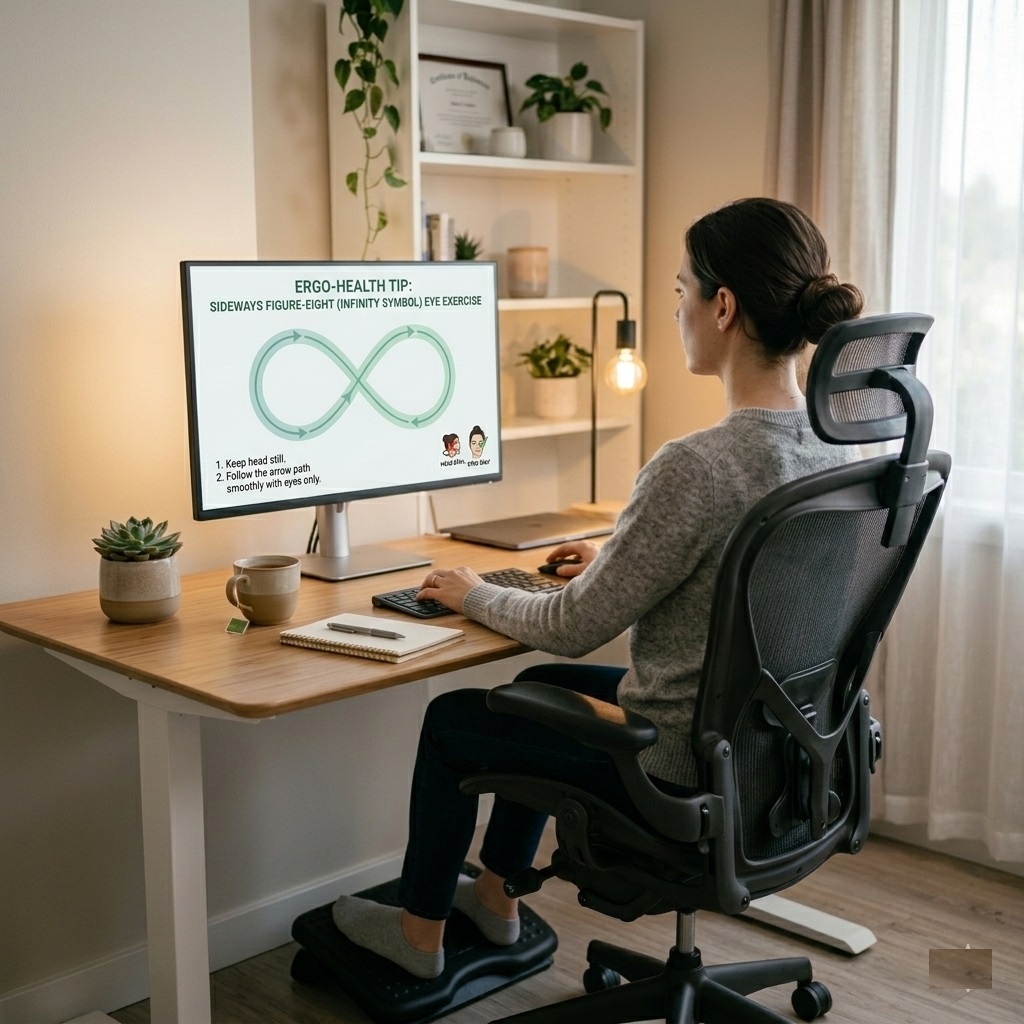
If your setup is working against you, exercises alone won’t solve the problem. You’ll just be treating symptoms while the actual cause keeps doing damage.
Here’s what needs adjusting:
Screen distance — Keep your monitor about 20 to 28 inches from your face.
Screen height — The top edge of your screen should sit slightly below eye level, not above it.
Lighting — Skip harsh overhead lighting. Also skip working in a dark room with a bright screen glaring at you.
Brightness — Match your screen’s brightness to the light in the room around you. Not blinding. Not dim enough that you’re squinting.
These changes sound small, but they cut strain almost instantly. Anyone who’s truly figured out how to relax your eyes will tell you the environment matters just as much as any exercise.
Posture Affects Your Eyes
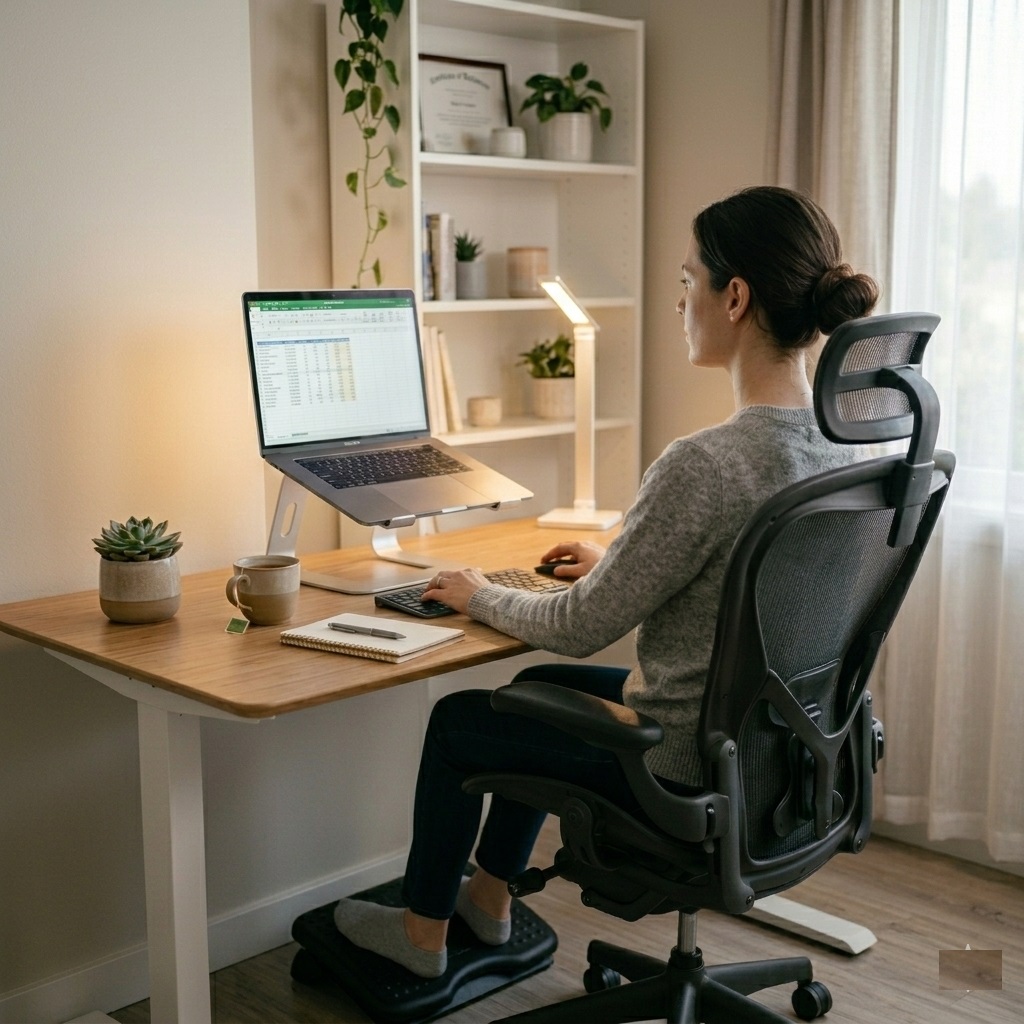
This one catches people off guard.
Bad posture creates tension in your neck. That tension restricts blood flow, and restricted blood flow can worsen headaches and eye discomfort. It’s all connected, even though it doesn’t feel like it should be.
Sit upright. Relax your shoulders. Don’t hunch forward toward your screen.
Your eyes are part of your whole body, not some separate system. Treat them that way.
Hydration and Sleep: The Hidden Factors
Dehydration makes dry eyes worse. That’s simple biology.
Drink water throughout the day, not just when you remember to. And aim for 7 to 8 hours of sleep whenever you can manage it.
Skip sleep, and your eyes pay for it. They burn more. They feel heavier. They struggle to focus properly, no matter how many exercises you do.
No stretch or technique replaces actual rest. There’s no shortcut around this one.
Common Mistakes That Make Things Worse
Let me be blunt here, because some habits actively work against you:
- Working three or four hours straight with zero breaks
- Holding your phone inches from your face
- Using screens in a completely dark room
- Ignoring headaches instead of addressing them
- Rubbing your eyes hard when they itch
- Overdoing eye exercises, thinking more equals faster results
That last one surprises people. More isn’t better here. Gentle, consistent, and balanced beats aggressive every time
Blue Light Glasses: Do They Help?
Some people swear by blue-light filtering glasses, especially during late-night screen use.
My honest take? They can reduce glare. They might feel more comfortable during long sessions.
But they’re not a fix-all. If your habits are the real problem — no breaks, bad posture, poor lighting — glasses won’t undo any of that.
Fix your routine first. Consider glasses as an extra, not a solution.
Can Eye Exercises Improve Vision Permanently?
No. Let’s not sugarcoat this.
These exercises relax tired muscles and cut down fatigue. They genuinely improve comfort. What they don’t do is cure nearsightedness or correct astigmatism.
Keep your expectations realistic. Comfort improves. Your prescription stays exactly the same. That’s an important distinction to hold onto while learning how to relax your eyes
If you have astigmatism, this deserves its own explanation — I’ve broken down exactly what works and what’s just marketing hype here: Eye Exercises for Astigmatism: The Truth Nobody’s Telling You.
When to See a Professional
Most eye strain resolves with rest and the habits above. But certain symptoms need real medical attention, not home remedies:
- Sudden changes in vision
- Severe or sharp pain
- Double vision
- Flashes of light
- Symptoms that just won’t improve
Relaxation techniques are helpful. But medical problems need medical care.
If you experience pain specifically when blinking, you may want to read our detailed guide on Eye Pain When Blinking: Causes, Symptoms, Treatment & When to Worry.
A Simple Daily Eye Relax Routine
Here’s how I’d structure a day if screens are a big part of your work:
Morning — Adjust your screen brightness. Check your sitting distance.
During work — Follow the 20-20-20 rule. Do a quick blink exercise every hour.
Midday — Run through the focus shifting exercise once.
Evening — Palming, followed by a warm compress.
Total time invested? Under 10 minutes a day. The payoff builds gradually, over weeks, not overnight.
That’s really the whole answer to how to relax your eyes — not one trick, but a routine you stick with.
What Improvement Feels Like
People expect instant results. Sometimes that happens — dryness especially can ease up fast.
But real, lasting comfort takes consistency. Give it time.
Over a few weeks, you’ll likely notice:
- Fewer headaches
- Less burning by the end of the day
- Sharper, steadier focus
- Less heaviness around your eyes
- More comfort during evening screen time
The change is subtle at first. But it’s real, and it adds up
Final Thoughts
We live surrounded by screens. Phones, laptops, tablets, TVs — our eyes barely get a break anymore. That’s exactly why learning how to relax your eyes isn’t optional these days. It’s necessary.
And the fix really isn’t complicated.
Take breaks. Blink more than feels natural. Look far away often. Fix your workspace. Sleep enough.
Do these things daily, not just when your eyes start hurting. Eye relaxation isn’t about one dramatic change. It’s small habits, repeated, that quietly add up to real relief.
Your eyes work hard for you all day, every day. Give them the rest they’ve earned.