Introduction
Most people worry about their eyes only when something goes wrong.
Blurry vision.
Dry eyes.
Eye strain after using a phone or computer.
Then the question appears.
“How can I protect my eyes?”
Many people start looking for vitamins or eye exercises. Those things can help. But there is another factor people often ignore.
Your daily diet.
What you eat every day has a real impact on your eyes.
The eyes are delicate organs. They rely on tiny blood vessels, sensitive nerve cells, and healthy tissues to function properly. These structures need a steady supply of nutrients and oxygen.
When the diet is balanced, the eyes receive the support they need.
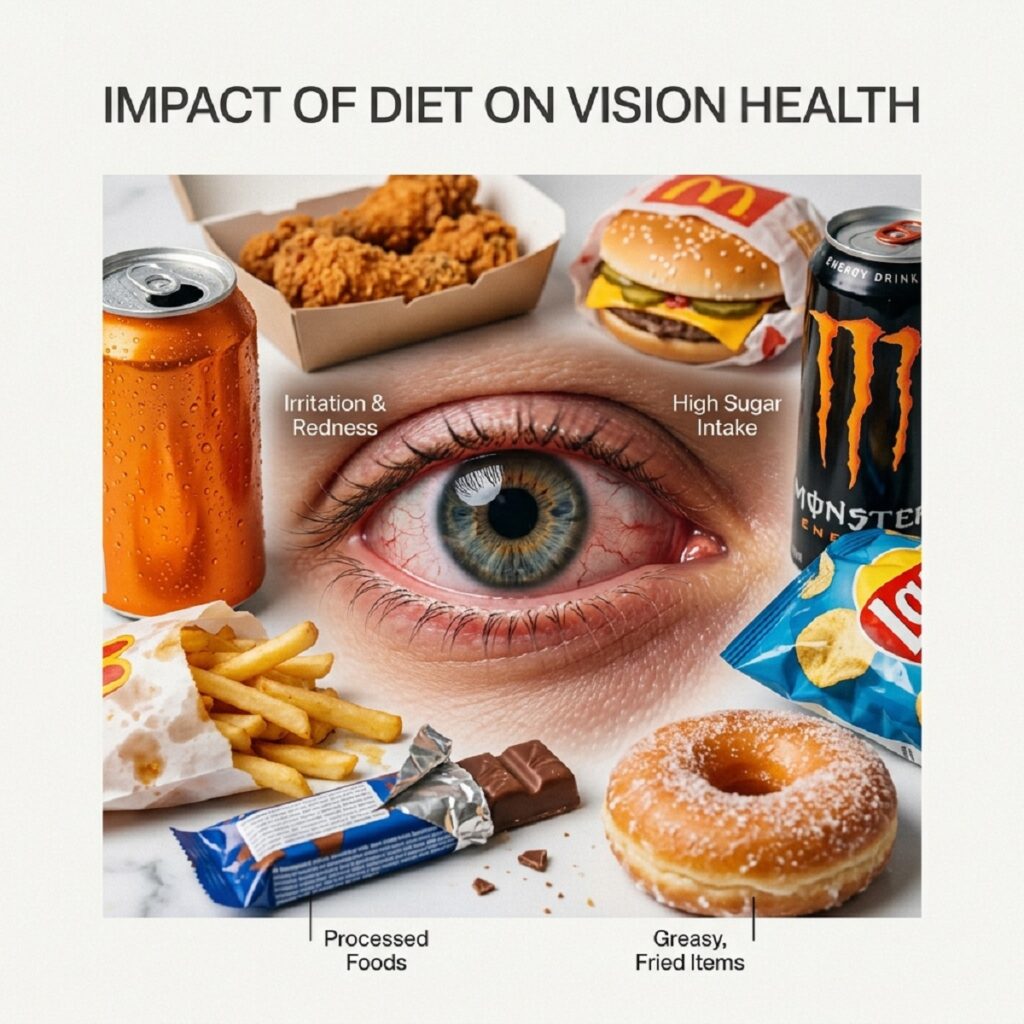
But when the diet is filled with sugar, unhealthy fats, and processed foods, problems may slowly begin.
Inflammation increases.
Blood sugar rises.
Circulation becomes weaker.
Over time, this can affect eye health.
Eye doctors often talk about foods that support vision, such as leafy greens or fish. But they also warn about foods that may harm the eyes if eaten too often.
In this guide, I will explain the 10 Worst Foods for Eye Health Eye Doctors Say Avoid These for Better Vision.
You will also learn:
- What damages the eyes the most
- What foods can cause blurry vision
- Common diet mistakes people make
- Better food choices for long-term eye health
Let’s start with an important point.
What Does “10 Worst Foods for Eye Health Eye Doctors Say Avoid These for Better Vision” Mean?
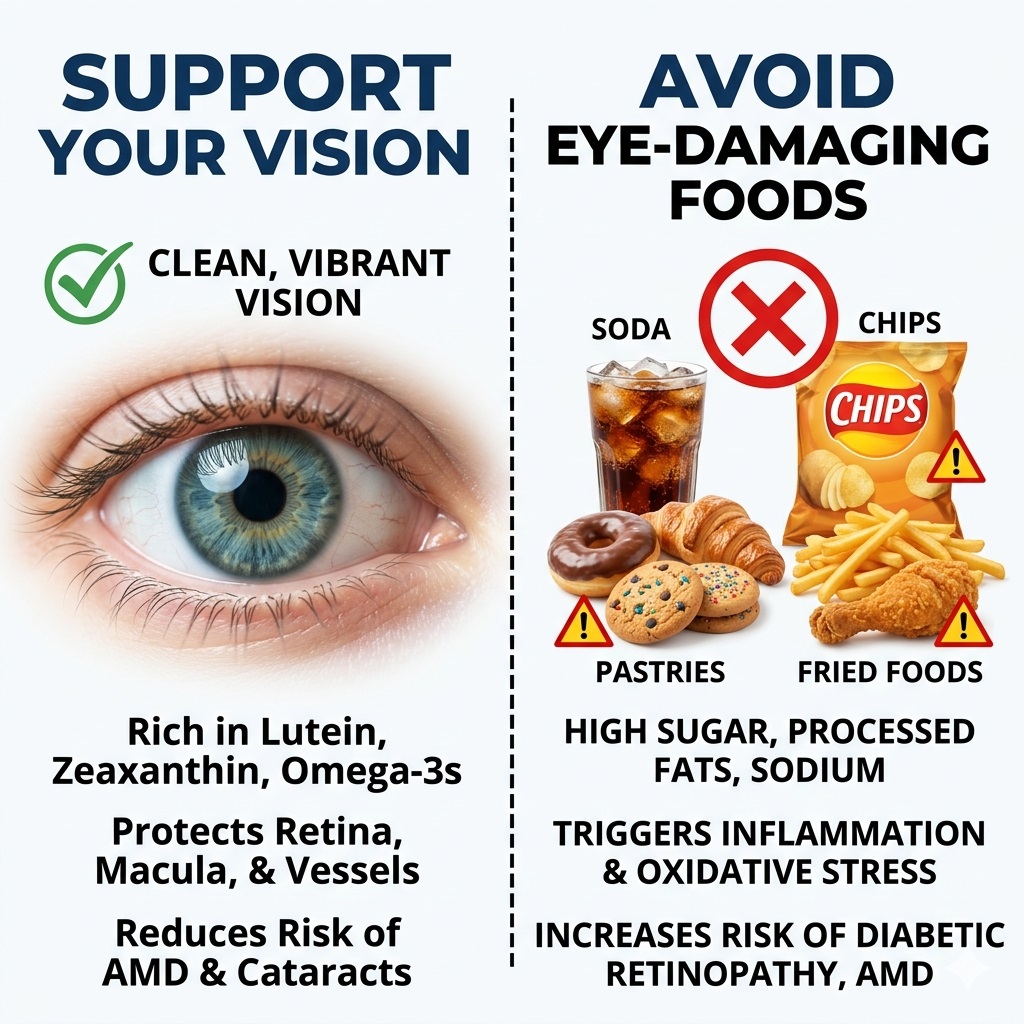
The phrase “10 Worst Foods for Eye Health Eye Doctors Say Avoid These for Better Vision” refers to foods that may negatively affect the eyes when eaten frequently.
These foods usually share common features.
They often contain:
- High amounts of sugar
- Large amounts of salt
- Unhealthy fats
- Refined carbohydrates
- Very little nutrition
Eating these foods occasionally is not usually a problem.
But eating them every day can lead to health issues that indirectly harm the eyes.
For example:
High sugar intake can affect blood vessels.
Too much salt can raise blood pressure.
Unhealthy fats can damage circulation.
The eyes depend on good circulation and stable blood sugar.
When these systems are affected, the eyes may suffer too.
That is why many specialists emphasize diet when discussing eye health.
Why Diet Matters for Eye Health
Your eyes work all day. From morning until night.
Reading.
Driving.
Using a phone.
Watching screens.
To perform these tasks, the eyes need proper nutrition.
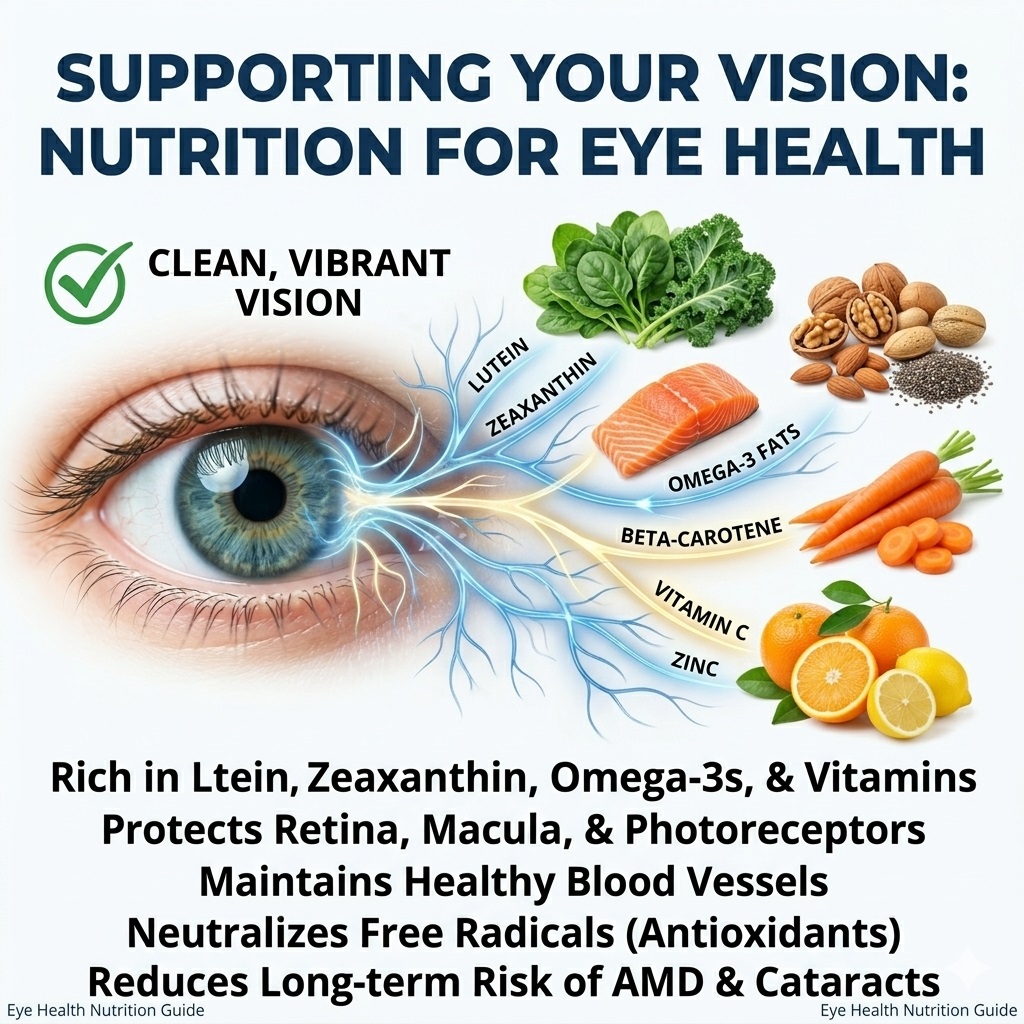
Several nutrients are especially important.
These include:
- Vitamin A
- Vitamin C
- Vitamin E
- Zinc
- Omega-3 fatty acids
- Lutein and zeaxanthin
These nutrients support:
Healthy retina function
Strong eye tissues
Protection from oxidative stress
Proper tear production
A healthy diet provides these nutrients naturally.
But when the diet is dominated by unhealthy foods, the body receives fewer protective nutrients.
At the same time, harmful substances increase.
Inflammation rises.
Blood sugar fluctuates.
Blood pressure increases.
These changes can affect the small blood vessels that feed the eyes.
That is why understanding the 10 Worst Foods for Eye Health Eye Doctors Say Avoid These for Better Vision is useful.
According to the American Academy of Ophthalmology, a balanced diet rich in vitamins and antioxidants can help support long-term eye health.
10 Worst Foods for Eye Health Eye Doctors Say Avoid These for Better Vision
Here are foods eye doctors often recommend limiting.
1. Sugary Drinks
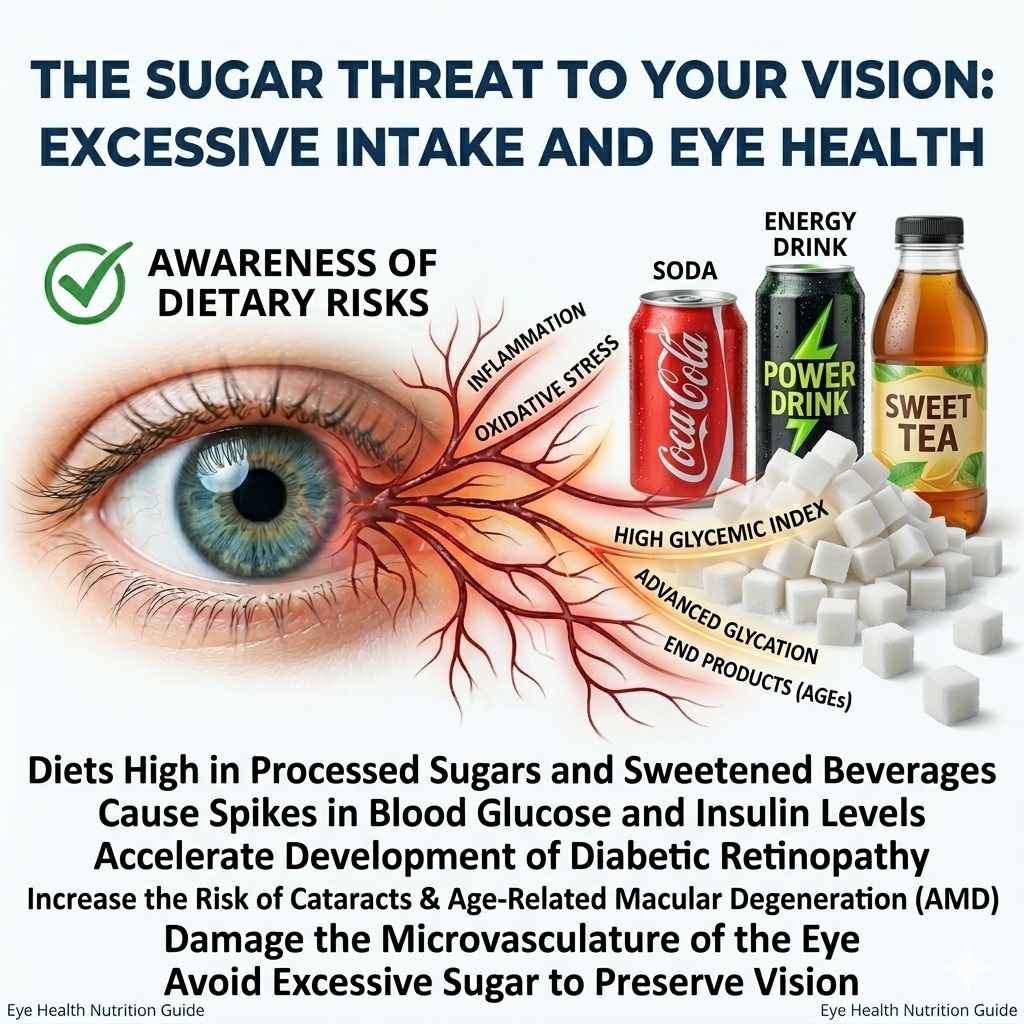
Sugary beverages are one of the biggest problems in modern diets.
Examples include:
Soda
Sweetened iced tea
Energy drinks
Flavored coffee drinks
These drinks often contain extremely high sugar levels.
Too much sugar can cause rapid spikes in blood glucose.
Over time this may increase the risk of diabetes.
Diabetes can damage the tiny blood vessels in the retina.
This condition is known as diabetic retinopathy.
Even without diabetes, large sugar spikes can cause temporary vision changes and fatigue.
Water, lemon water, or unsweetened tea are much better options.
2. Deep Fried Foods
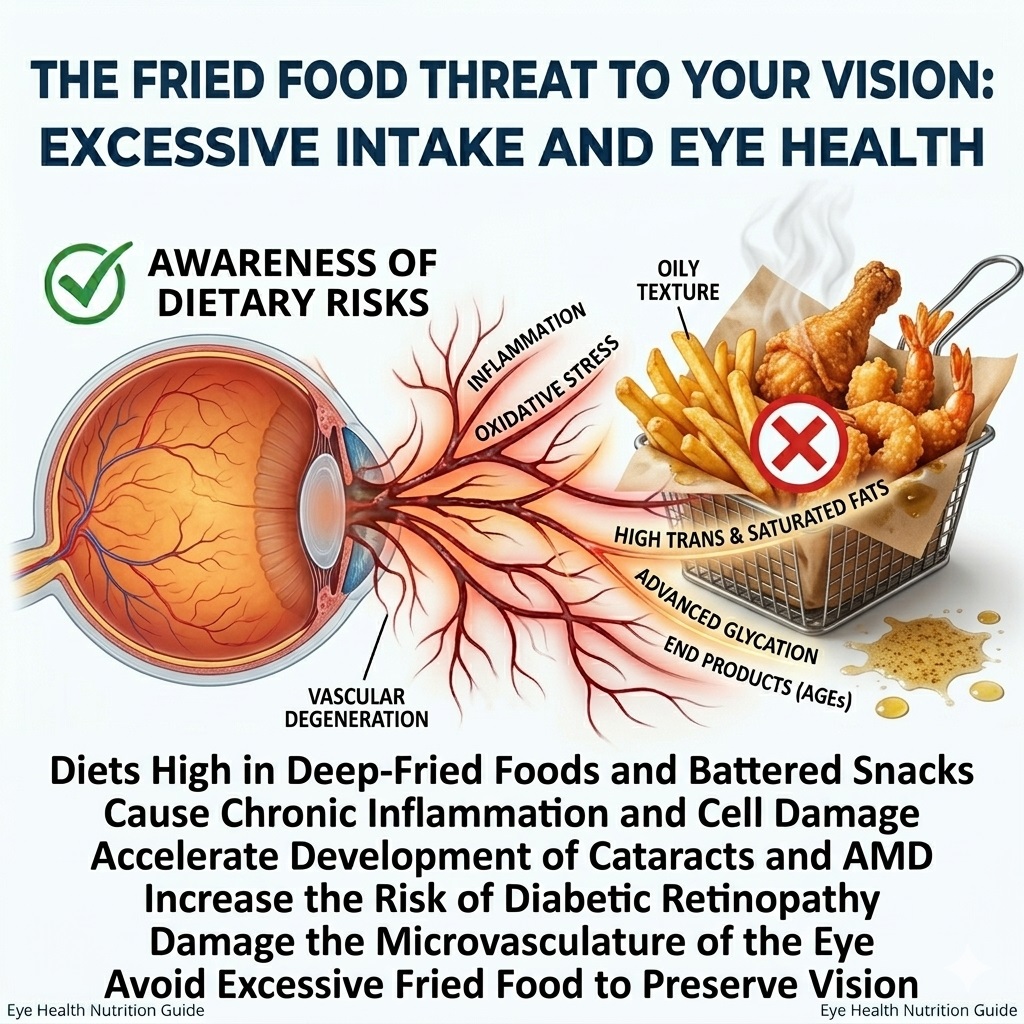
Fried foods are everywhere.
French fries.
Fried chicken.
Fried snacks.
These foods are usually cooked in oils that contain unhealthy fats.
Frequent consumption may lead to:
Higher cholesterol
Inflammation
Poor circulation
The eyes rely on healthy blood flow.
When circulation becomes weaker, eye tissues may not receive enough oxygen and nutrients.
Eating fried foods occasionally is fine. But eating them every day is not a good idea.
3. Processed Meats
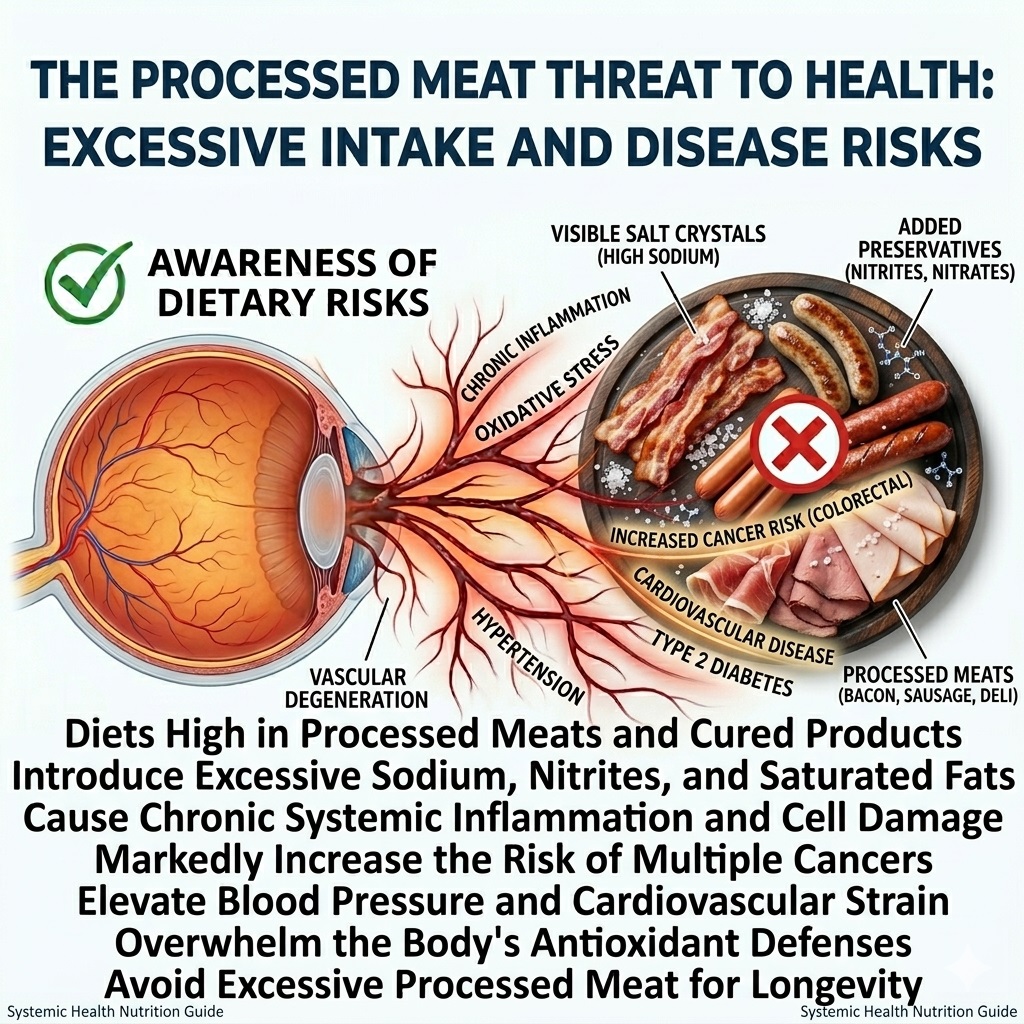
Processed meats are common in many diets.
Examples include:
Bacon
Hot dogs
Sausages
Deli meats
These foods contain large amounts of salt and preservatives.
Excess sodium can raise blood pressure.
High blood pressure can damage the delicate blood vessels in the eyes.
Over time, this may increase the risk of retinal problems.
Fresh protein sources like fish, beans, or chicken are healthier choices.
4. Refined Carbohydrates
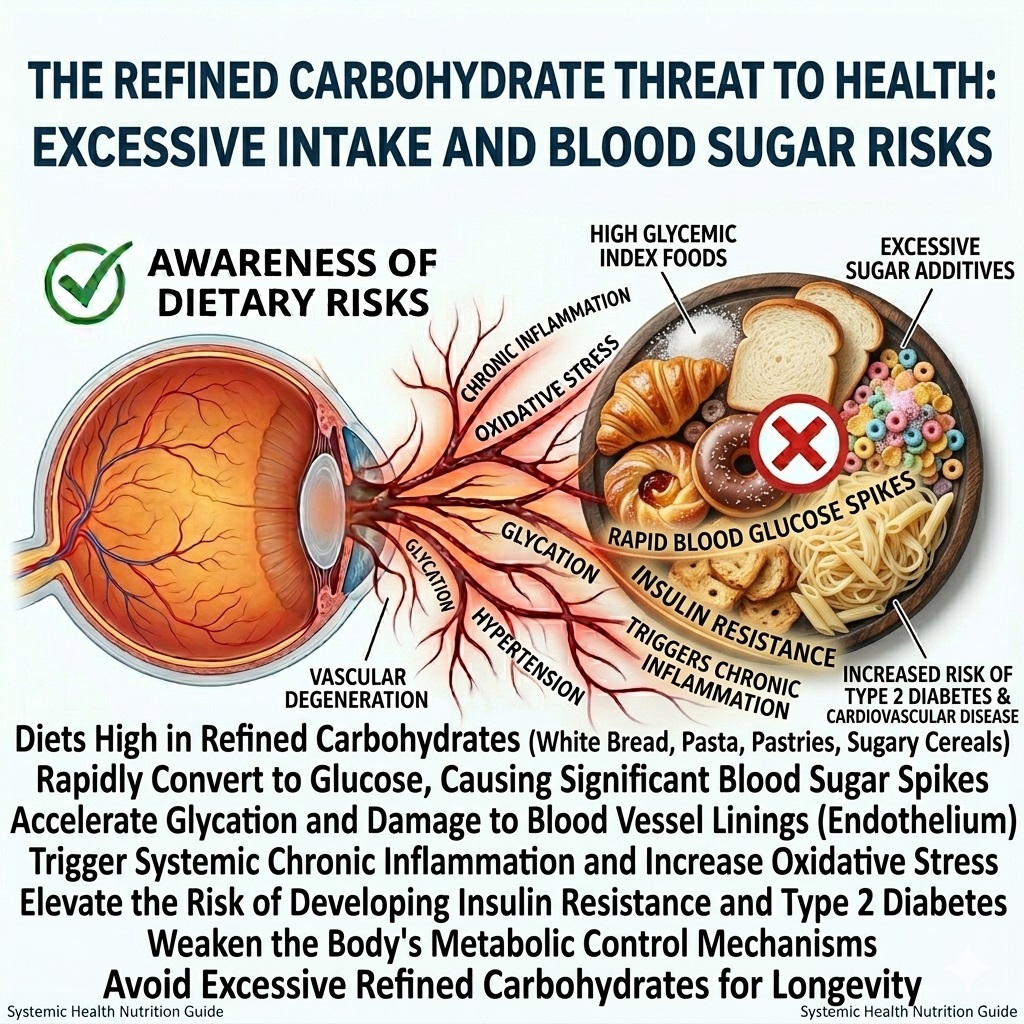
Refined carbohydrates digest very quickly.
This causes rapid increases in blood sugar.
Examples include:
White bread
White pasta
Pastries
Sugary breakfast cereals
Frequent blood sugar spikes can damage blood vessels.
The retina is especially sensitive to these changes.
Whole grains are a better option because they release energy slowly.
Good alternatives include:
Brown rice
Whole grain bread
Oats
5. High-Sodium Processed Foods
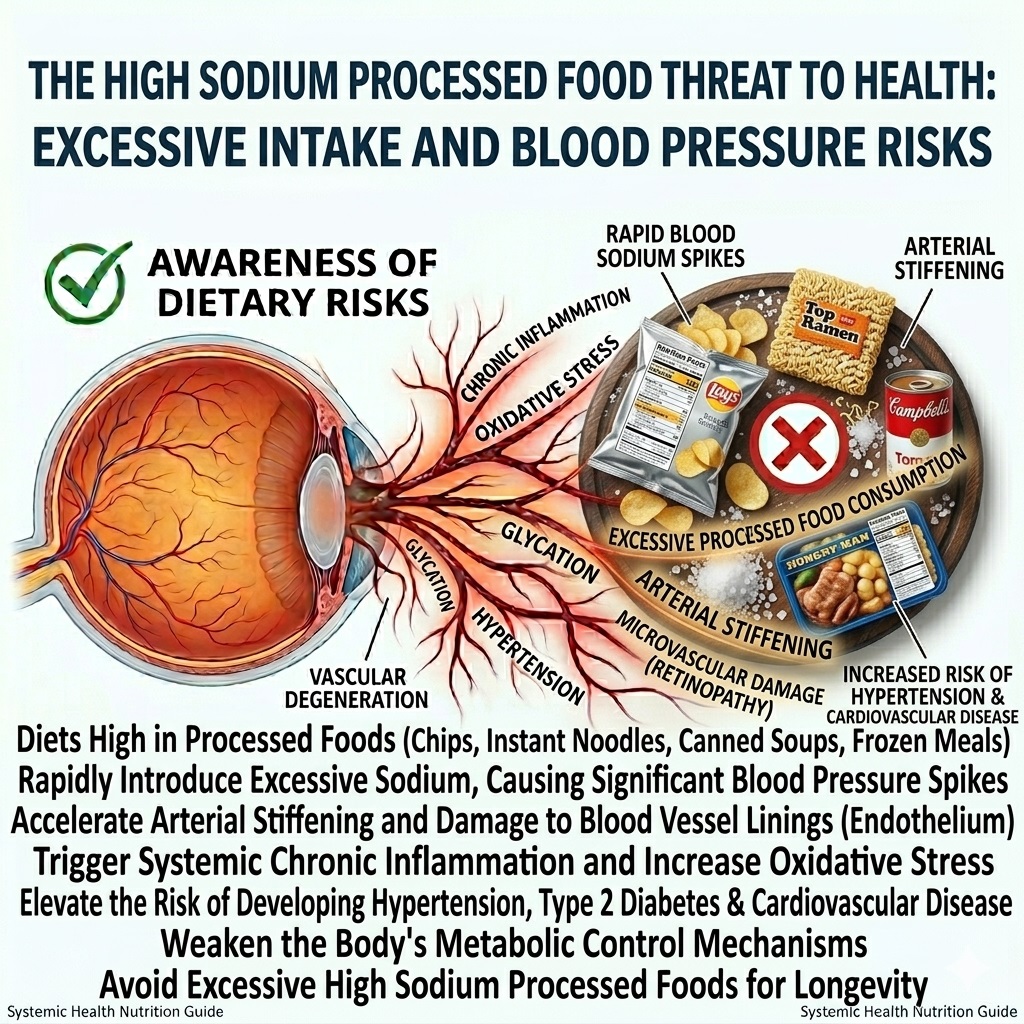
Many packaged foods contain shocking amounts of salt.
Examples include:
Instant noodles
Canned soups
Frozen meals
Snack chips
Too much sodium can lead to high blood pressure.
High blood pressure puts pressure on blood vessels throughout the body.
Including those in the eyes.
Over time this may affect the retina and optic nerve.
Reducing processed foods can make a big difference.
6. Margarine With Trans Fats
Some older types of margarine contain trans fats.
Trans fats are known to be harmful to cardiovascular health.
They can increase bad cholesterol while lowering good cholesterol.
Poor cholesterol balance can damage blood vessels.
Healthy blood vessels are essential for eye circulation.
Butter in moderation or olive oil is usually a better option.
7. Fast Food
Fast food combines several unhealthy ingredients in one meal.
Typically it includes:
Refined carbohydrates
Large amounts of salt
Unhealthy oils
Sugary drinks
This combination can lead to:
Weight gain
Poor circulation
Blood sugar spikes
Eating fast food occasionally is fine.
But making it a daily habit may negatively affect overall health and eye health.
8. Artificial Sweetener Heavy Foods
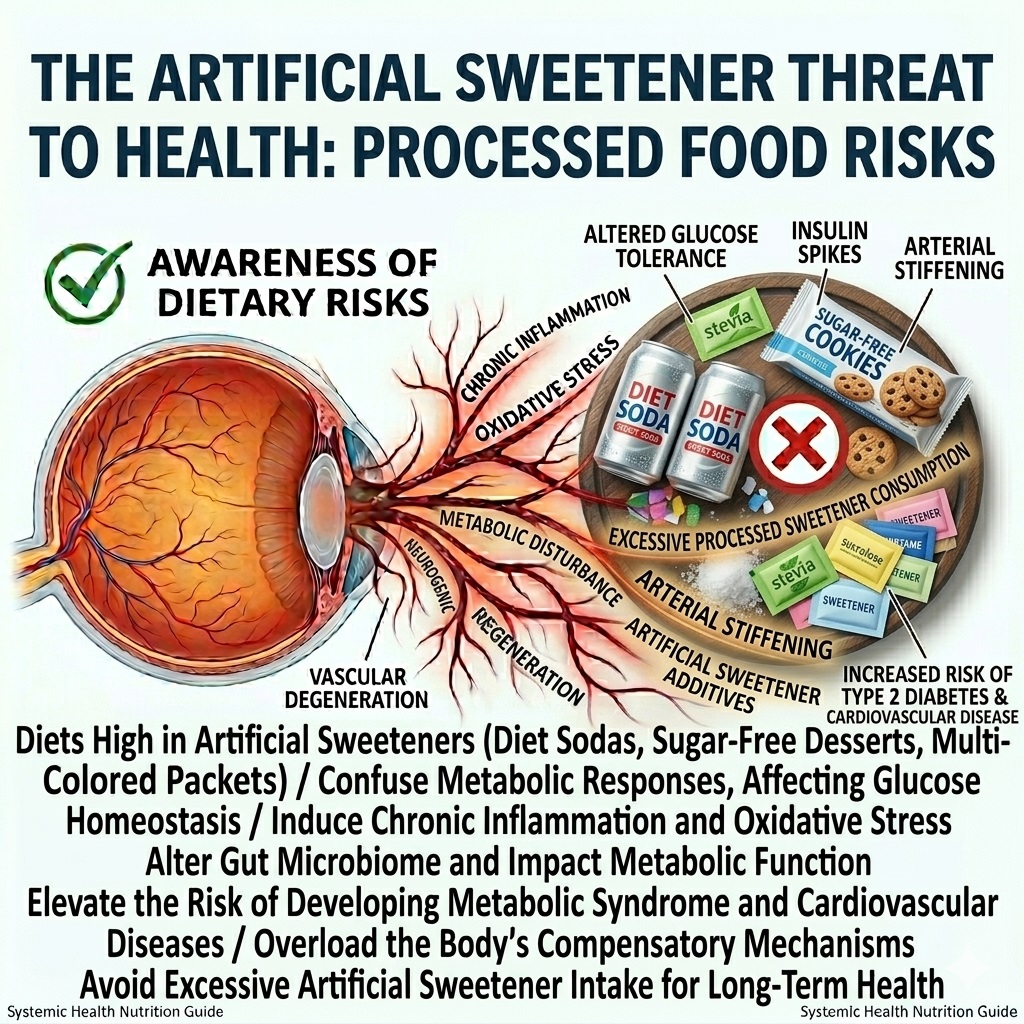
Diet foods often replace sugar with artificial sweeteners.
Examples include:
Diet soda
Sugar-free desserts
Artificially sweetened snacks
Research is still ongoing.
Some studies suggest that heavy consumption may affect metabolism or blood sugar regulation in certain people.
Moderation is the key.
Whole, natural foods are usually a safer choice.
9. High Fat Dairy Products
High fat dairy foods contain larger amounts of saturated fat.
Examples include:
Whole milk
Cream
Full-fat cheese
Too much saturated fat may affect cholesterol levels.
This may influence circulation over time.
Healthy circulation is critical for eye tissues.
Low-fat dairy or plant-based alternatives can help maintain balance.
10. Energy Drinks
Energy drinks are extremely popular.
But they often contain:
Large amounts of sugar
High caffeine levels
Artificial ingredients
Too much caffeine may temporarily increase pressure inside the eye.
High sugar levels can also cause blood sugar spikes.
Both factors can affect eye comfort and health.
Water remains the best drink for most people.
Foods That Support Eye Health Instead
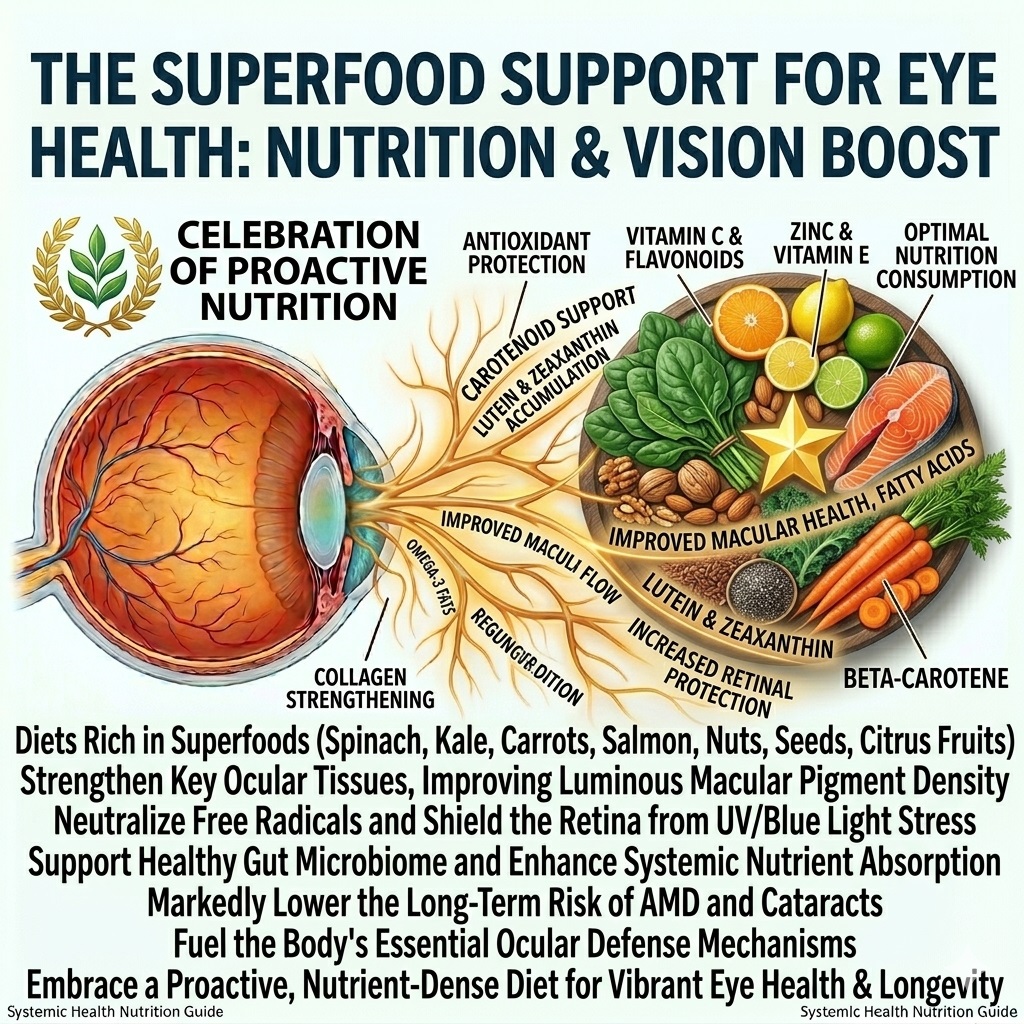
Avoiding unhealthy foods is only half the solution.
Adding healthy foods is even more important.
Here are some foods that support eye health.
Leafy Green Vegetables
Examples include:
Spinach
Kale
Collard greens
These vegetables contain lutein and zeaxanthin.
These nutrients help protect the retina.
Colorful Vegetables
Bright vegetables often contain antioxidants.
Examples include:
Carrots
Sweet potatoes
Bell peppers
These foods provide vitamin A and vitamin C.
Both nutrients support eye function.
Fatty Fish
Fish such as salmon and sardines contain omega-3 fatty acids.
Omega-3s support tear production and may help reduce dry eye symptoms.
Nuts and Seeds
Almonds, walnuts, and sunflower seeds contain vitamin E.
Vitamin E helps protect eye cells from oxidative damage.
Eye problems sometimes appear as discomfort or irritation. You can also read our detailed guide on Eye Pain When Blinking: Causes, Symptoms, Treatment & When to Worry.
Common Diet Mistakes That Affect Eye Health
Many people unintentionally harm their eyes through everyday habits.
I see these mistakes often.
Drinking Too Many Sugary Beverages
Sweet drinks add huge amounts of sugar without any nutrients.
This can disrupt blood sugar balance.
Eating Too Much Fast Food
Fast food is convenient but often nutritionally poor.
Too much of it can lead to inflammation and poor circulation.
Ignoring Salt Intake
Many people do not realize how much sodium they consume.
Packaged foods hide large amounts of salt.
Skipping Vegetables
Vegetables contain the nutrients the eyes truly need.
Without them, the diet becomes unbalanced.
Believing One Food Can Fix Vision
There is no miracle food for eyesight.
Healthy vision comes from consistent healthy habits.
Practical Tips for Protecting Eye Health Through Diet
Improving your diet does not have to be complicated.
Small changes can make a big difference.
Here are some simple steps.
Eat More Vegetables
Try to include vegetables in at least two meals per day.
Colorful vegetables provide powerful antioxidants.
Choose Whole Foods
Whole foods contain more nutrients and fewer additives.
Examples include:
Whole grains
Fresh fruits
Lean proteins
Drink More Water
Proper hydration supports tear production and eye comfort.
Cook More Meals at Home
Home cooking allows you to control:
Salt
Oil
Portion size
Reduce Ultra-Processed Foods
Gradually replace packaged snacks with healthier options like nuts or fruit.
Frequently Asked Questions
What foods help repair the eyes?
Foods rich in antioxidants and vitamins support eye health.
Examples include leafy greens, carrots, citrus fruits, nuts, seeds, and fish.
These foods contain nutrients that protect eye tissues.
What damages the eyes the most?
Several factors can affect the eyes.
These include poor diet, smoking, uncontrolled diabetes, high blood pressure, and excessive screen time.
What foods cause blurry vision?
Large blood sugar spikes can sometimes cause temporary blurry vision.
Sugary drinks and refined carbohydrates may contribute to these spikes.
Can diet improve eyesight?
Diet supports eye health, but it cannot cure vision problems like nearsightedness or farsightedness.
However, healthy eating can help protect the eyes over time.
Conclusion
Your eyes depend on good circulation, balanced nutrients, and overall health.
What you eat every day plays an important role.
The 10 Worst Foods for Eye Health Eye Doctors Say Avoid These for Better Vision usually include foods high in sugar, salt, unhealthy fats, and refined carbohydrates.
These foods may affect blood sugar, cholesterol, and blood pressure.
All of these factors influence eye health.
The good news is that improving your diet does not require drastic changes.
Small steps can protect your eyes.
Eat more vegetables.
Choose whole foods.
Drink more water.
Reduce processed foods.
These simple habits support not only your vision but your entire body.
Your eyes work hard for you every day.
Taking care of them starts with what you put on your plate.