
Introduction
I’ll say this clearly: most people don’t notice glaucoma until it has already damaged their vision.
That’s the danger.
When people search for early signs of glaucoma in women, they’re usually already worried. And they should be—because this condition is quiet. No pain. No obvious warning. It works in the background.
By the time you feel something is wrong, part of your vision may already be gone. And that loss cannot be reversed.
Women, especially after 40, face a slightly different risk profile. Hormones change. Eye structure matters. Lifespan plays a role. All of this adds up.
So instead of reacting late, I want you to understand the early signs of glaucoma in women in a simple, practical way—so you can act early and protect your sight.
Table of Contents
What Is Glaucoma
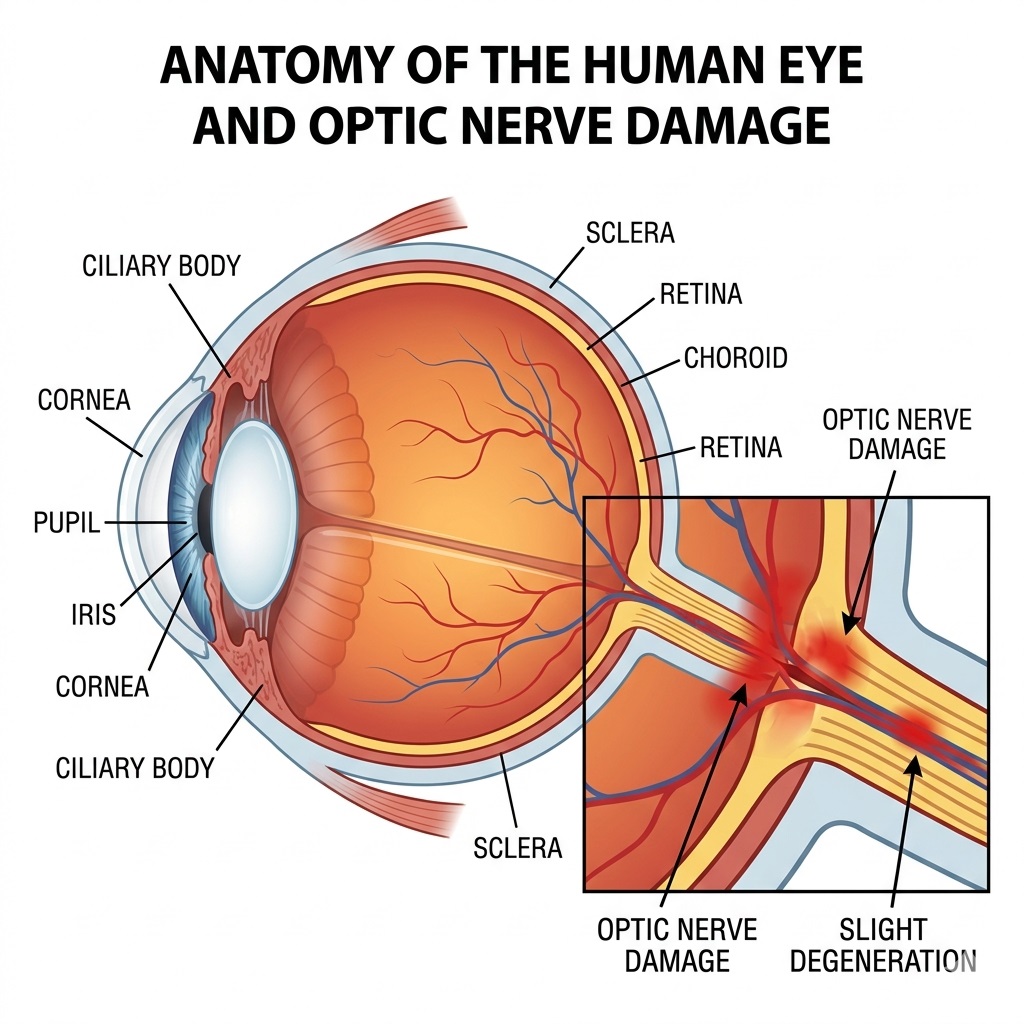
Glaucoma is not just one disease. It’s a group of eye conditions that damage the optic nerve—the cable that connects your eye to your brain.
Once that nerve is damaged, vision loss is permanent.
In many cases, this damage is linked to increased pressure inside the eye (called intraocular pressure). But here’s the important part:
- You can have glaucoma without feeling pressure
- You can have glaucoma with normal eye pressure
- You can lose vision without realizing it
That’s why it’s dangerous.
National Eye Institute glaucoma guide
Key facts I want you to remember:
- It develops slowly
- It often has no early symptoms
- Vision loss is permanent
- Early detection can save your eyesight
Why Women Need to Pay Extra Attention
Let’s be honest. Women often ignore their own health while taking care of everyone else.
That mindset doesn’t work here.
Here’s why women need to be more alert:
1. Hormonal Changes Matter
After menopause, estrogen levels drop. This may affect eye pressure and blood flow to the optic nerve.
2. Higher Risk of Certain Types
Some studies suggest women may have higher rates of angle-closure glaucoma, which can progress faster.
3. Longer Lifespan
Women live longer on average. That means more years for glaucoma to develop.
4. Silent Progression
Because symptoms are subtle, many women dismiss early warning signs as “just tired eyes.”
That’s a mistake.
Early Signs of Glaucoma in Women
Now let’s get practical. These are the early signs of glaucoma in women you should never ignore.
1. Gradual Loss of Side Vision
This is the most important early sign.
It doesn’t happen suddenly. Your vision slowly narrows. You may not notice it until it becomes serious.
You might:
- Miss objects on the side
- Feel like your vision is “tunnel-like”
- Bump into things more often
Most people don’t connect this to an eye problem at first.
2. Mild Blurred Vision
Not strong blur. Just slight.
You may think:
- “Maybe I need new glasses”
- “My eyes are tired”
But if blur keeps coming back, don’t ignore it.
3. Seeing Halos Around Lights
This is a classic but often ignored sign.
You may notice:
- Rings around headlights at night
- Glowing circles around bulbs
This can be linked to eye pressure changes.
4. Eye Pressure or Discomfort
Not sharp pain. More like:
- A heavy feeling in the eyes
- Mild pressure
- Occasional discomfort
Because it’s not severe, people ignore it.
5. Frequent Headaches (Especially Around Eyes)
If your headaches are:
- Around the eyes
- Recurrent
- Worse after screen use
Don’t just blame stress. Your eyes may be involved.
6. Trouble Seeing in Low Light
This is an early functional sign.
You may notice:
- Difficulty driving at night
- Slow adjustment in dark rooms
- Reduced clarity in dim lighting
Again, very easy to ignore.
Why Glaucoma Is Often Missed
Let me be direct: glaucoma hides better than most eye problems.
Here’s a simple comparison:
| Feature | Glaucoma | Cataracts | Eye Strain |
|---|---|---|---|
| Start | Very slow | Gradual | Often sudden |
| Pain | Usually none | None | Mild |
| Vision loss | Side vision first | Central blur | Temporary |
| Reversible | No | Yes (surgery) | Yes |
| Awareness | Very low | High | High |
Glaucoma doesn’t “feel serious” early on. That’s why people delay action.
What Early Glaucoma Actually Feels Like
I’ve seen this pattern again and again.
Women don’t say, “I think I have glaucoma.”
They say:
- “Something feels off”
- “My eyes get tired quickly”
- “Night driving is harder now”
It’s subtle.
You won’t wake up one day blind. Instead:
- Your visual field slowly shrinks
- Your brain adjusts to the loss
- You don’t notice until it’s advanced
Most people don’t realize this until much later.
Key Risk Factors You Should Know
If you have these, take glaucoma seriously:
- Age over 40
- Family history of glaucoma
- Diabetes
- High blood pressure
- Long-term steroid use
- Eye injury history
Eye Pressure Range:
Normal: 10–21 mmHg
But remember—glaucoma can still occur within this range.
Does Diet Matter?
Let’s be clear: diet does not cure glaucoma.
But it supports overall eye health.
Diet does not cure glaucoma, but healthy nutrition supports eye health. You should also avoid foods that may harm eye health. Read our guide: 10 Worst Foods for Eye Health Eye Doctors Say to Avoid.
Helpful nutrients:
- Vitamin A → carrots, spinach
- Omega-3 → fish
- Antioxidants → berries, leafy greens
Think of food as support—not treatment.
Is Recognizing Early Signs a Good Thing?
Absolutely.
Ignoring them is risky. Recognizing them is smart.
Benefits of early detection:
- Slows progression
- Protects remaining vision
- Allows early treatment
Limitations:
- Signs are easy to miss
- Symptoms overlap with other issues
- Some people feel nothing at all
That’s why awareness alone is not enough—you need action.
What You Should Do (Simple Step-by-Step Plan)
Step 1: Get Regular Eye Exams
After 40:
- Every 1–2 years minimum
- More often if high risk
Step 2: Pay Attention to Changes
Watch for:
- Side vision loss
- Halos
- Night vision problems
Don’t guess. Check.
Step 3: Follow Medical Advice
If diagnosed:
- Use eye drops regularly
- Don’t skip doses
- Keep follow-ups
Consistency matters more than anything.
Step 4: Improve Your Lifestyle
- Control blood pressure
- Manage diabetes
- Stay active
Your overall health affects your eyes.
Step 5: Protect Your Eyes
- Avoid injuries
- Use protective eyewear when needed
Damage can increase risk.
Common Mistakes Women Make
Honestly, this is where many people go wrong. These mistakes cost vision.
1. Ignoring Mild Symptoms
“I’m just tired” — no, check it.
2. Skipping Eye Exams
No pain does NOT mean no problem.
3. Self-Diagnosing
Not every blur is glaucoma. But guessing is dangerous.
4. Stopping Treatment Early
Glaucoma treatment is long-term. Not optional.
Glaucoma symptoms and treatment
5. Thinking It Only Happens in Old Age
It’s more common later—but it can start earlier.
How to Make Sure Your Eye Check Is Proper
Not all eye exams are equal.
A proper glaucoma check should include:
- Eye pressure measurement
- Visual field test
- Optic nerve examination
If these are missing, the check is incomplete.
FAQs About Early Signs of Glaucoma in Women
What is usually the first sign of glaucoma?
Loss of side vision. Slow and often unnoticed.
Is glaucoma hereditary?
Yes. If a family member has it, your risk increases.
Is glaucoma curable?
No. But it is manageable if caught early.
Can glaucoma happen without symptoms?
Yes. Very common in early stages.
Do women have higher risk?
Yes, especially after menopause and for certain types.
Can I prevent glaucoma?
Not fully. But you can reduce risk by:
- Regular eye exams
- Managing health conditions
- Protecting your eyes
Medical Disclaimer:
This article is for educational purposes only and is not a substitute for professional medical advice, diagnosis, or treatment.
Final Thoughts
Here’s the truth I want you to remember:
Glaucoma doesn’t warn you loudly. It whispers.
The early signs of glaucoma in women are easy to ignore. Slight blur. Small vision changes. Mild discomfort. Nothing dramatic.
But ignoring them can cost you your vision.
I don’t believe in panic. I believe in awareness and action.
So do this:
- Take your eye health seriously
- Get regular checkups
- Don’t ignore subtle changes
Because when it comes to glaucoma, early action is everything.