

Introduction
I don’t wait for my vision to get worse before I take action. That’s a mistake many people make. Cataracts don’t appear overnight.They usually develop slowly, and many people don’t notice them at first. By the time you notice real problems, your daily life is already affected.
That is why I think about how to stop cataracts very seriously. I do not think about it lightly or sometimes. I think about it every day.
Here’s the truth. Cataracts are common. Aging plays a big role. But that doesn’t mean you’re helpless.Your daily habits are important. What you eat is important. Your way of living is even more important than most people think.
In this guide, I’ll explain clearly what cataracts are, why they happen, and what actually works if you want to protect your vision for the long term.
This guide focuses on clear, practical steps supported by current eye health advice.
What Are Cataracts?
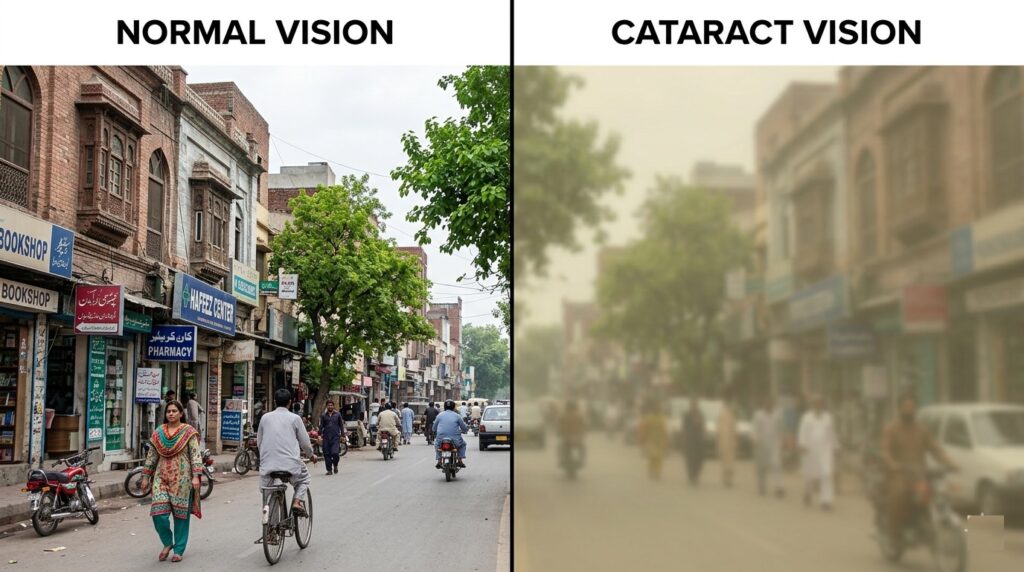
Let me keep this very clear.
A cataract is when the natural lens inside your eye becomes cloudy.
Your lens should be clear. It helps focus light so you can see sharp images. But over time, proteins inside the lens start to break down. They clump together. That creates cloudiness.
That is when problems with your eyesight start.
What it feels like:
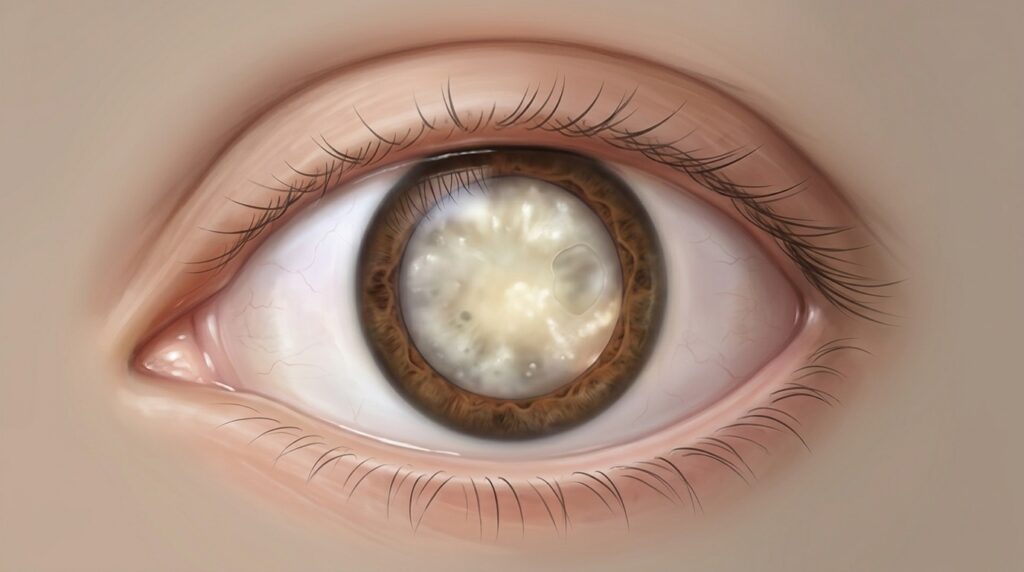
- Vision looks blurry or foggy
- Lights feel too bright or harsh
- Night driving becomes difficult
- Colors look dull or yellow
- Glasses stop helping like they used to
I often describe it like this: it’s like looking through a dirty window that you can’t clean.
Why “How to Prevent Cataracts” Matters Early
Most people wait too long.
They ignore small signs. They delay eye checkups. They assume it’s just “normal aging.”
Delaying action can mean missing the chance to manage risk factors early
Cataracts grow slowly. In the early stage:
- You may just need brighter light to read
- You may notice glare from headlights
- You may blink more to clear your vision
At this stage, healthy habits and regular checkups can still be helpful.
Later, things change:
- Vision becomes more cloudy
- Daily tasks get harder
- Surgery becomes the only real solution
That’s why I always say this clearly:
Prevention is not about perfection. It’s about delaying damage.
Can Cataracts Really Be Prevented?
Let’s be honest.
You cannot always completely stop cataracts. Aging is powerful. Genetics matter.
But here’s the part people ignore:
You can slow them down. You can delay them. Sometimes by many years.
Delaying cataracts by even a few years can be meaningful for quality of life.
What prevention actually does:
- Reduces stress on your eyes
- Protects the lens from damage
- Slows down protein breakdown
- Supports long-term eye function
So when I talk about how to prevent cataracts, I mean this:
Lower the risk. Delay the damage. Protect your vision as long as possible.
According to the American Academy of Ophthalmology cataract guide, regular eye exams and UV protection are important for long-term eye health.
The Real Causes You Should Not Ignore
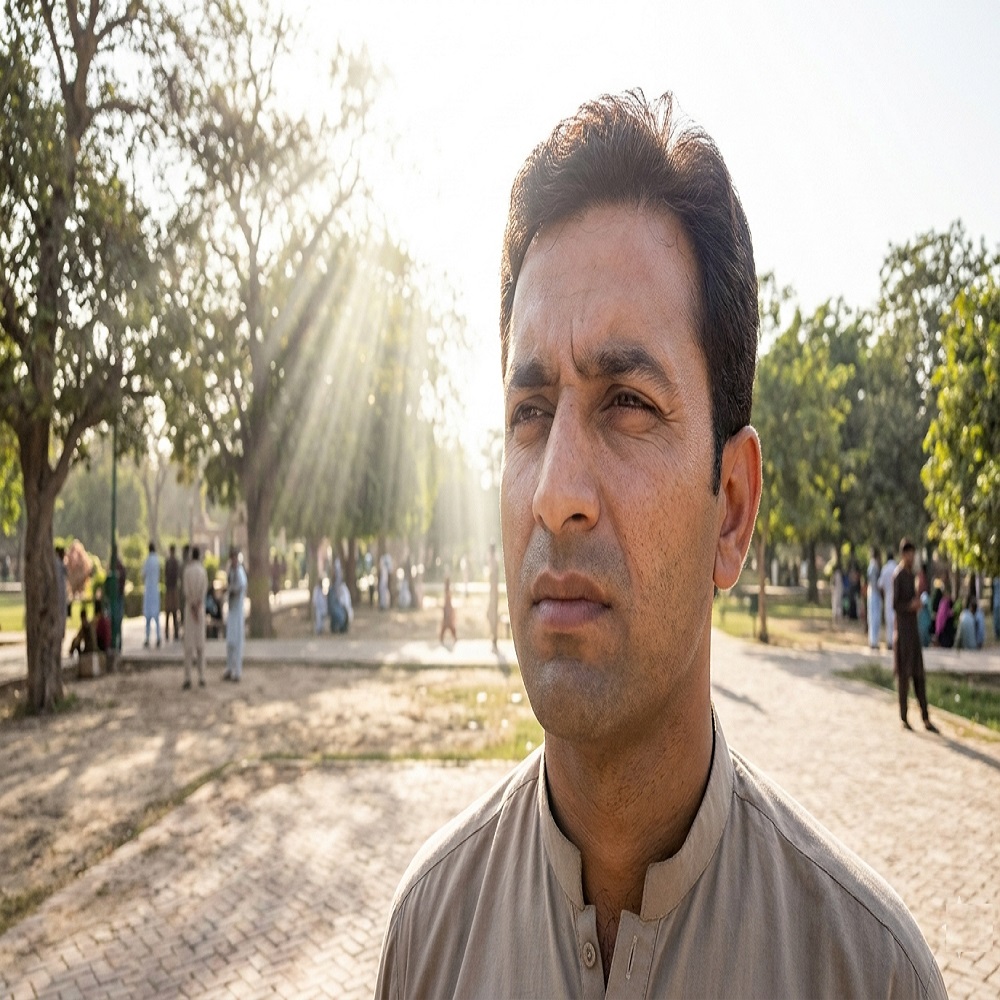
If you want real results, you need to understand what causes damage in the first place.
1. Aging
This is the biggest factor. You can’t stop it. But you can manage its effects.
2. UV Exposure
Too much sunlight damages the lens over time.
3. Smoking
This is one of the fastest ways to harm your eyes.
4. Diabetes
High blood sugar damages blood vessels and eye structures.
5. Poor Diet
Lack of nutrients weakens your eye’s natural defense.
6. Alcohol Overuse
Too much alcohol increases oxidative stress.
7. Long-Term Steroid Use
Certain medications can increase risk if used for long periods.
If you ignore these, no “tips” will help you.
How to Prevent Cataracts: What eye health experts commonly recommend

Here are practical steps that may help lower risk. These are evidence-based habits commonly recommended to help lower cataract risk.
1. Protect Your Eyes from Sunlight
This is one of the most important preventive habits.
UV rays damage your eye lens slowly. You won’t feel it happening. But it adds up.
Helpful habits include:
- Wearing UV-protective sunglasses in bright sunlight may help reduce long-term lens damage.
- I choose lenses labeled UV 400 protection
- I use a wide-brim hat when the sun is strong
This one habit alone can make a big difference over years.
2. Eat Food That Supports Your Eyes
Diet plays an important role in supporting long-term eye health.
Your eyes need nutrients to fight damage. Without them, your risk increases.
Foods often recommended for eye health include:
- Citrus fruits (for vitamin C)
- Nuts and seeds (for vitamin E)
- Leafy greens like spinach (for lutein and zeaxanthin)
- Eggs (great for eye protection nutrients)
- Carrots and colorful vegetables
A practical rule of thumb:
If your plate looks colorful, your eyes benefit.
3. Quit Smoking (or Never Start)
I will speak clearly.
Smoking damages your eyes faster than most people realize.
It increases harmful chemicals. It speeds up protein damage in the lens.
A widely recommended step:
- If you smoke, make quitting a priority
- If you don’t smoke, don’t start
Smoking is strongly linked with a higher risk of cataracts.
4. Control Your Blood Sugar
If you have diabetes, this step is critical.
High blood sugar damages your eyes from the inside.
Helpful priorities include:
- Stable blood sugar levels
- Regular monitoring
- Following medical advice strictly
Ignoring this will accelerate cataract formation.
5. Get Regular Eye Checkups
I never skip this.
Even if my vision feels fine, I still go for an eye exam.
Why it matters:
- Early detection of changes
- Monitoring progression
- Adjusting lifestyle early
A common recommendation is:
- Every 1–2 years after age 40
- More often if you have risk factors
6. Limit Alcohol
I don’t say “never drink.” I say control it.
Too much alcohol increases oxidative stress in your body. That includes your eyes.
My rule:
- Keep it moderate
- Avoid daily heavy intake
7. Maintain a Healthy Weight
This is often ignored.
But excess weight increases your risk of diabetes. And that affects your eyes.
What I do:
- Stay active
- Eat balanced meals
- Avoid processed junk food
Simple habits. Big impact.
8. Be Careful with Long-Term Medications
Some medications, especially steroids, can increase cataract risk.
Important:
- Never stop medication on your own
- Always discuss with your doctor
Smart decisions protect your eyes.
The Nutrients I Never Ignore

Let me highlight this clearly. These nutrients matter.
Vitamin C
- Fights damage in eye cells
- Found in oranges, lemons, peppers
Vitamin E
- Protects eye tissues
- Found in almonds, sunflower seeds
Lutein & Zeaxanthin
- Protect from light damage
- Found in spinach, kale, eggs
Antioxidants
- Reduce harmful molecules
- Found in fruits and vegetables
My daily habit:
- At least 5 servings of fruits and vegetables
- A handful of nuts
Consistency matters more than perfection.
Common Mistakes I See All the Time
Let me be honest. These mistakes cost people their vision quality.
Ignoring early symptoms
People wait too long. That’s the biggest mistake.
Not wearing sunglasses
UV damage is slow but real.
Poor diet
Processed food weakens your eye defense.
Smoking or heavy drinking
These habits speed up damage.
Believing myths
There is no magic cure. Only smart habits.
How I Keep Prevention Simple
You don’t need a complicated routine.
Here’s what I personally follow:
- I wear sunglasses daily
- I eat at least one fruit and one vegetable every day
- I drink enough water
- I stay active
- I don’t skip eye exams
That’s all
It is simple, easy to do again and again, and works well.
Frequently Asked Questions
1. How to prevent cataracts from getting worse?
You slow them down with:
- UV protection
- Healthy diet
- Managing diabetes
- Regular eye exams
Consistency is key.
2. What is the first sign of cataracts?
Usually:
- Slight blur
- Trouble seeing at night
- Sensitivity to light
Don’t ignore these signs.
3. Can food really help?
Yes. Food supports your eye’s defense system.
But it’s not a cure. It’s protection.
4. Are supplements necessary?
Not always.
I prefer natural food first. Supplements can help in some cases, but I always suggest asking a doctor before using them.
5. Can cataracts be reversed naturally?
No.
Once formed, they don’t reverse naturally. You can only slow them down.
6. How often should I check my eyes?
- Every 1–2 years normally
- More often if you’re at risk
Don’t wait for symptoms.
While healthy lifestyle habits can help lower your risk of cataracts, modern technology is also improving how eye diseases are detected and monitored. Learn more about the latest advances in AI in Eye Care and how artificial intelligence is helping eye specialists identify vision problems earlier.
My Final Thoughts
I take my vision seriously. You should too.
Cataracts are common. But ignoring them is a choice.
When I think about how to prevent cataracts, I don’t look for shortcuts. I focus on daily habits.
- Protect your eyes from sunlight
- Eat real, healthy food
- Avoid smoking
- Manage your health
- Stay consistent
These are not complicated steps. But they work.
You don’t need perfection. You need discipline.
Start small. Stay consistent. Think long term.
Your future vision depends on what you do today.