
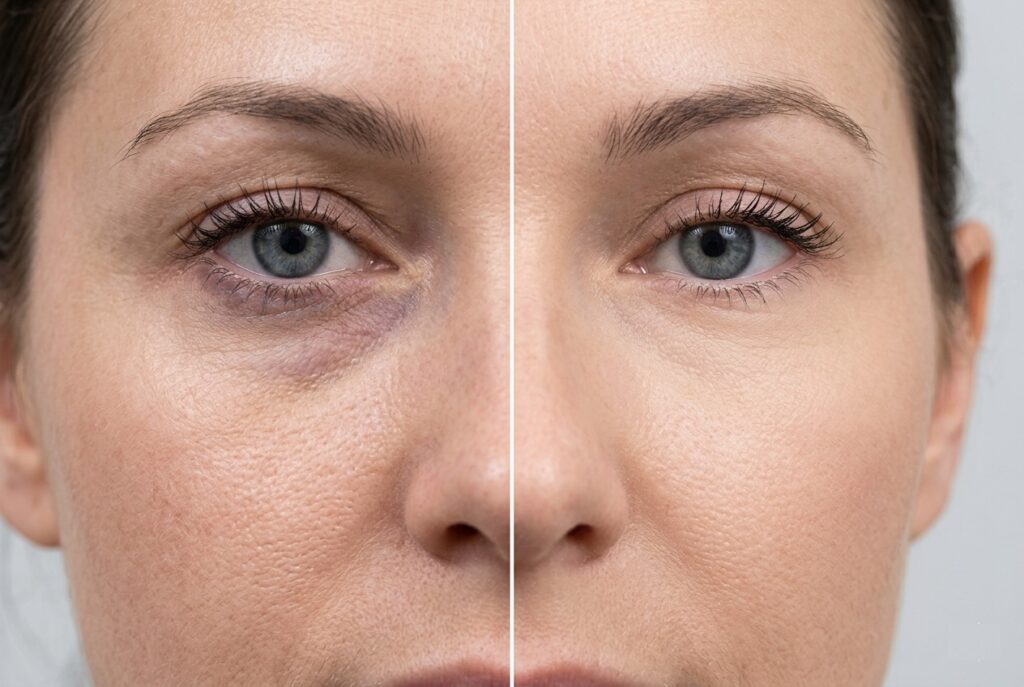
I’ve seen a lot of people waste money on under-eye treatments that don’t deliver. PRF under eyes is different — and I want to explain exactly why.
Table of Contents
What Is PRF Under Eyes?
PRF stands for platelet-rich fibrin. It comes from your own blood. No synthetic chemicals. No foreign fillers. Just your body’s natural healing power, concentrated and injected into the under-eye area.
Here’s how simple the process is:
A doctor draws a small amount of your blood. They spin it in a centrifuge. This separates the PRF — a gel-like substance packed with platelets, fibrin, and white blood cells. Then they inject it carefully under your eyes.
That’s it.
The PRF slowly releases growth factors into your skin. These growth factors signal your body to produce more collagen and repair damaged tissue. The result? Gradual, natural-looking improvement.
I find this approach refreshing. Your body does the work. You’re not adding anything artificial.
Why the Under-Eye Area Is So Difficult to Treat
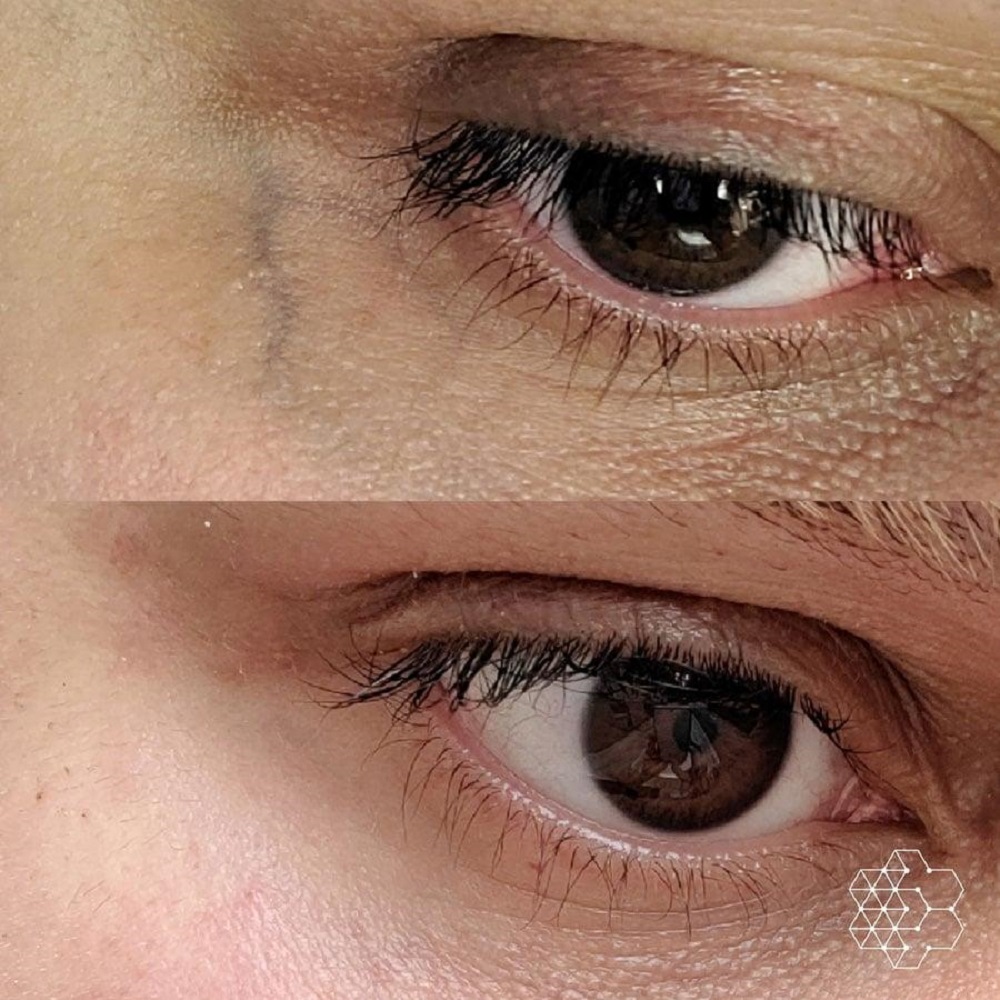
The skin under your eyes is the thinnest on your entire face. It loses collagen faster than anywhere else. Blood vessels sit close to the surface, which is why dark circles are so visible there.
Traditional fillers can work — but they carry risks in this area. If placed incorrectly, they can cause puffiness, the Tyndall effect (a bluish discoloration), or an unnatural look.
PRF under eyes sidesteps many of these issues. Because it’s your own biological material, rejection is rare. And because results come gradually, there’s no sudden “done” look that makes people ask if you’ve had work done.
PRF vs PRP: Stop Confusing Them
People mix these up constantly. Both come from blood. Both are used in aesthetic medicine. But they’re not the same thing.
| Feature | PRF | PRP |
|---|---|---|
| What’s in it | Platelets + fibrin + white blood cells | Mostly just platelets |
| Additives | Usually none | Often includes anticoagulants |
| How growth factors release | Slowly, over time | Fast but short-lived |
| Texture | Gel-like | Liquid |
| How long results last | Longer | Shorter |
The fibrin matrix in PRF is the key difference. It acts like a scaffold that holds growth factors in place and releases them gradually. PRP dumps everything at once and disperses quickly.
For under-eye treatments specifically, I believe PRF wins. The slow release matches the timeline your skin needs to rebuild collagen properly. It’s biology working in your favor.
What the Experience Actually Feels Like
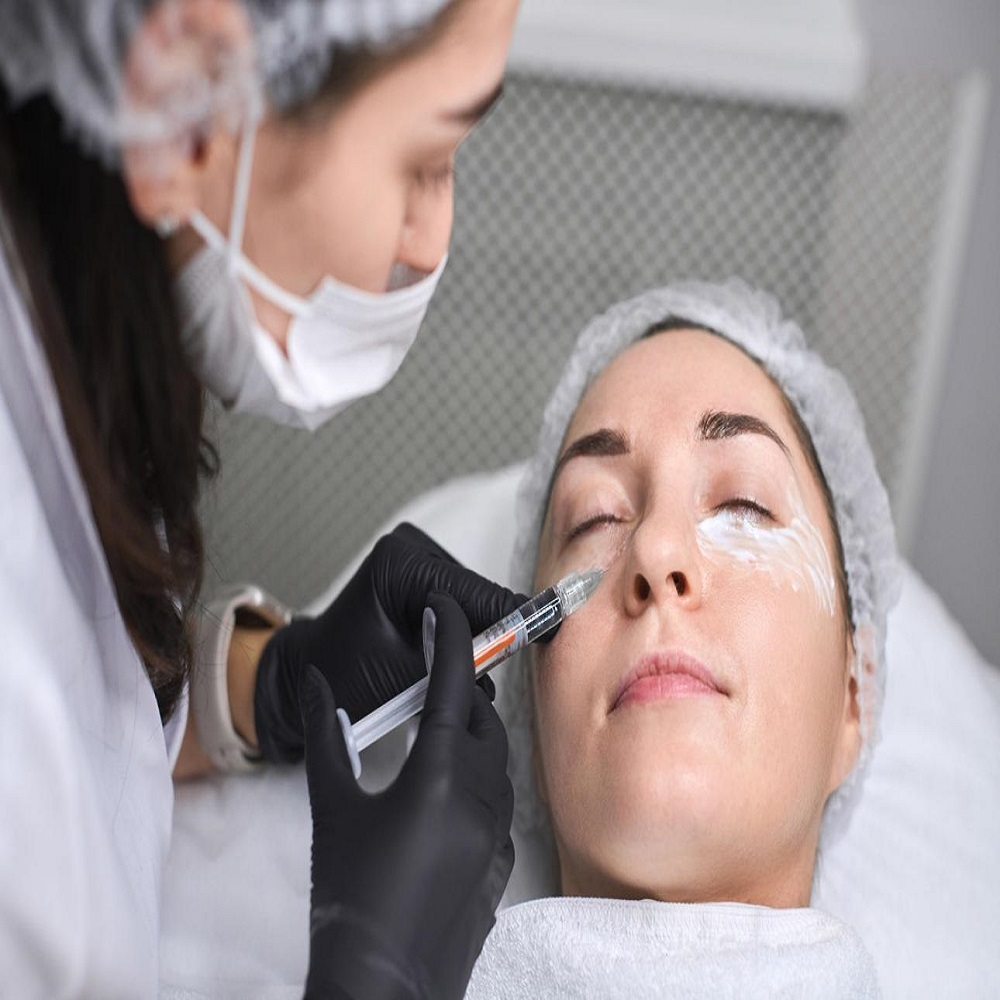
I want to be honest with you here. This is a medical procedure. It has steps, mild discomfort, and a recovery period.
Before the treatment: You’ll have a consultation. A skilled practitioner will assess your dark circles, hollowness, and skin condition. Not everyone is a candidate. That’s normal.
During the procedure: The blood draw feels like a standard blood test — a quick pinch. Most clinics apply numbing cream before the injections. The injections feel like mild pressure, not sharp pain. The whole process usually takes under an hour.
Right after: Expect some puffiness. Maybe mild bruising. The area might look worse before it looks better. This is completely normal and temporary. Most people look fine within a few days.
The results timeline:
- Days 1–3: Swelling settles
- Week 2–4: Subtle changes begin
- Month 1–2: Noticeable improvement in texture and tone
PRF under eyes is not a treatment for impatient people. If you want immediate results, this isn’t it. But if you want lasting, natural improvement — this delivers.
What PRF Under Eyes Actually Fixes
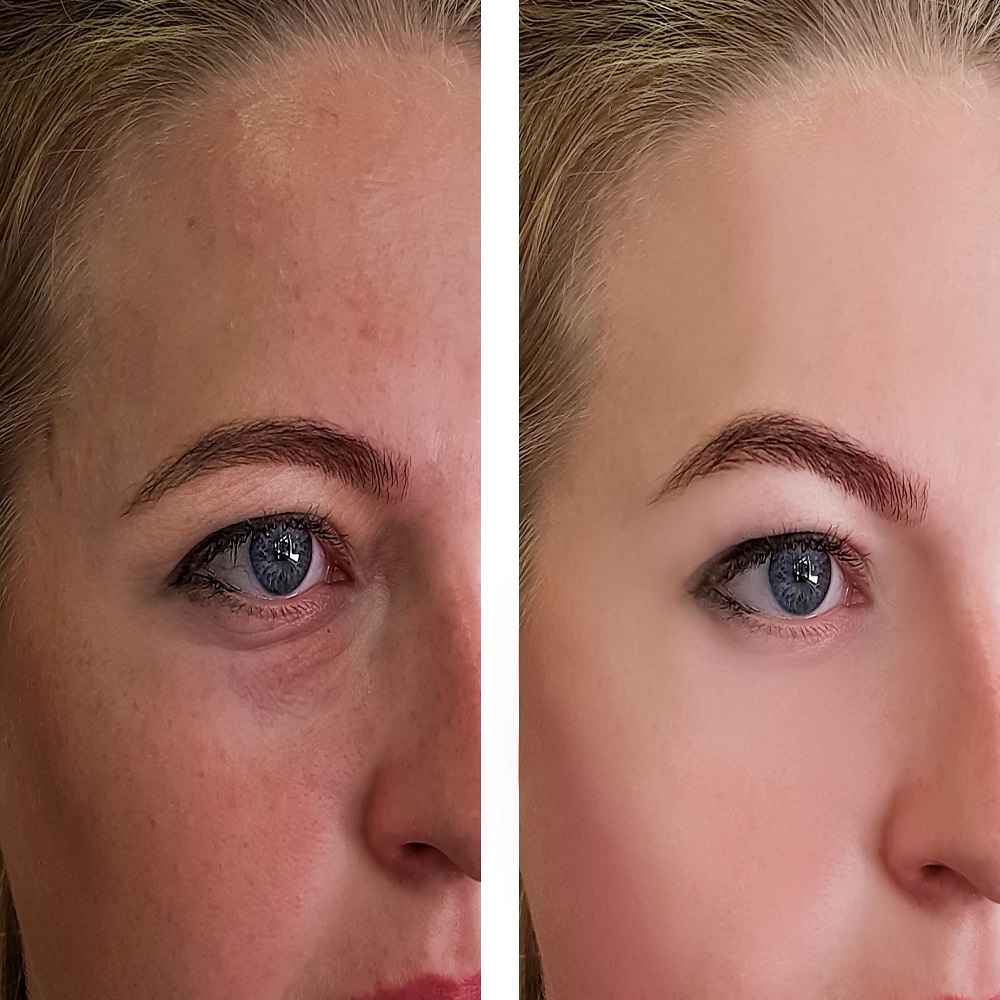
Let me be specific. I won’t overpromise.
PRF can help with:
- Mild to moderate dark circles caused by thin skin or poor circulation
- Fine lines and crepey texture under the eyes
- Slight volume loss and hollowness
- Overall skin quality and radiance in the area
PRF has limits:
- Severe hollowness may still need fillers
- Deep pigmentation from genetics or sun damage won’t fully resolve
- Results vary by age, skin type, and lifestyle
Knowing these limits saves you disappointment. Go in with clear expectations.
Is PRF Under Eyes Safe?
In the hands of a trained professional — yes, it’s considered very safe.
The biggest safety advantage: it’s your own blood. Allergic reactions are extremely rare. You can’t reject something your body already made.
Most common side effects:
- Temporary swelling (common)
- Mild bruising (common, especially in this area)
- Slight redness (fades within days)
Rare but possible:
- Uneven results if technique is poor
- Infection (rare, but any injectable carries this risk)
- Overcorrection or undercorrection
Who should avoid PRF:
- People with blood clotting disorders
- Those on blood-thinning medications
- Anyone with an active skin infection
- People with certain autoimmune conditions
Always disclose your full medical history during consultation. A good practitioner will ask. If they don’t — walk out.
The Treatment Plan You Should Expect
One session won’t cut it. Here’s what a realistic plan looks like:
Initial phase: 2 to 3 sessions, spaced 4 to 6 weeks apart. This allows each session to build on the last.
Maintenance: One session every 6 to 12 months to sustain results.
Total duration of results: Most people see benefits lasting 6 to 12 months. Individual factors like age, skin health, and sun exposure affect this.
Consistency matters. People who skip sessions or expect one treatment to last years are usually disappointed.
The Mistakes That Ruin Results
I’ve seen people spend money on PRF under eyes and get nothing — not because PRF failed, but because they made avoidable errors.
Mistake 1: Choosing the cheapest provider The under-eye area is unforgiving. Inexperienced injectors cause uneven results, excess bruising, and wasted money. Experience matters more here than almost anywhere else on the face.
Mistake 2: Expecting filler-like results PRF is subtle. If you want dramatic volume restoration immediately, you want filler, not PRF. Know what you’re choosing.
Mistake 3: Ignoring aftercare No intense exercise for 24–48 hours. Avoid direct sun exposure. Use gentle skincare. These aren’t optional suggestions — they affect your results.
Mistake 4: Quitting after one session One treatment gives you a preview. Two or three give you actual results. Commitment is part of the process.
Mistake 5: Not protecting your skin afterward PRF stimulates collagen. UV exposure destroys collagen. If you’re not wearing SPF daily, you’re working against your own investment.
How to Choose the Right Provide

This step is non-negotiable. The provider matters as much as the treatment itself.
What to look for:
- Medical credentials (doctor, nurse practitioner, PA with aesthetic training)
- Specific experience with under-eye injections
- Before-and-after photos of their actual patients
- A proper consultation before any commitment
- Clear explanation of risks and realistic outcomes
Red flags:
- No consultation offered
- Prices that seem too good to be true
- Pressure to book on the spot
- Inability to answer your questions clearly
Ask hard questions. A skilled provider welcomes them.
Frequently Asked Questions
Does PRF actually work for under eyes?
Yes — but within its limits. It improves skin quality, reduces mild dark circles, and supports collagen production. It’s not a miracle cure. But it delivers real, visible improvement for the right candidates.
How long do results from PRF under eyes last?
Typically 6 to 12 months. Maintenance sessions extend the benefit. Lifestyle factors like sleep, hydration, and sun protection also affect longevity.
Is PRF better than PRP for under eyes?
I think so. The slower growth factor release and gel-like structure make PRF more suited to delicate under-eye skin. Most experienced practitioners prefer it for this area.
Can PRF under eyes go wrong?
Yes. Any injectable procedure carries risk. Swelling, bruising, and uneven results are possible — especially with unskilled providers. Choose carefully.
Is it painful?
Mild discomfort is normal. Numbing cream makes the injections very manageable. Most people tolerate it well.
How many sessions do I need?
Start with 2 to 3. Then maintain every 6 to 12 months. Your practitioner will customize this based on your response.
My Final Take
PRF under eyes isn’t magic. It won’t erase 20 years overnight. But it’s one of the most biologically intelligent options available for improving the under-eye area naturally.
You’re using your own biology. You’re building collagen from the inside. You’re choosing long-term skin health over a quick cosmetic patch.
That’s a smart choice — if you go in with the right mindset.
Be patient. Choose a skilled provider. Commit to the full treatment plan. Protect your skin from the sun. Do those things and PRF under eyes can genuinely refresh how you look and feel — without anyone knowing you did anything at all.
That, to me, is the best kind of result.
This article is for informational purposes only and does not replace professional medical advice. Always consult a qualified practitioner before pursuing any aesthetic treatment.