
I cry like everyone else. When I’m sad. When I’m overwhelmed. Sometimes even when I’m relieved. Crying is human. It’s healthy. It’s emotional release.
But here’s the part nobody talks about enough.
Why does it burn so much?
If you’ve ever wiped your tears and felt a sharp sting, redness, or fire-like sensation in your eyes, you’re asking the same question many people ask quietly:
Why do my eyes burn when I cry?
I’ll be honest. This is not “just in your head.” And it’s not something you should ignore if it keeps happening.
Let me break it down in a clear, science-backed, real-world way. No fluff. No medical jargon. Just the truth your eyes are trying to tell you.
Table of Contents
First, Let’s Clear a Big Myth

Tears are not just salty water.
If that were true, everyone’s eyes would burn the same way every time they cried. They don’t.
Tears are a complex liquid made to protect your eyes. When their balance changes, your eyes react. Sometimes aggressively.
Burning is your eye’s way of saying:
“Something is off.”
How Tears Actually Work Simple Explanation
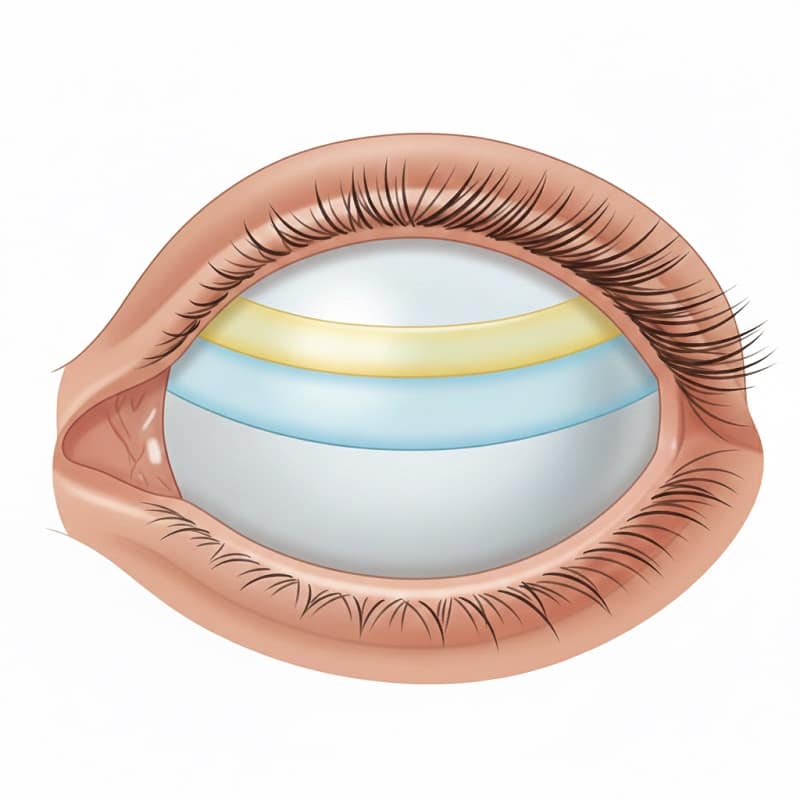
Your eye is covered by a thin protective layer called the tear film. Think of it like a shield.
This shield has three layers. All three must work together.
1. The Oil Layer (Top Layer)
This layer comes from tiny glands in your eyelids.
Its job:
- Stop tears from evaporating too fast
- Keep the eye surface smooth
- Prevent dryness
If this oil layer is weak, tears dry up quickly. That leads to burning. Especially during crying.
This is one of the most common reasons eyes burn when crying.
2. The Water Layer (Middle Layer)
This is the biggest part of your tears.
Its job:
- Hydrate the eye
- Wash away dust and bacteria
- Feed the eye oxygen and nutrients
When this layer becomes too concentrated or salty, it stings. Emotional crying often changes this balance.
3. The Mucus Layer (Bottom Layer)
This layer helps tears spread evenly across your eye.
Without it:
- Tears don’t coat the eye properly
- Dry spots form
- Burning starts
Even a small problem in one layer can cause discomfort. During crying, that problem becomes obvious.
Not All Tears Are the Same (This Matters)

Your body makes three types of tears. Each one behaves differently.
Basal Tears (Everyday Tears)
These are always present.
They keep your eyes moist and comfortable.
You never notice them. That’s a good sign.
Reflex Tears (Emergency Tears)
These come out when:
- Smoke hits your eyes
- You cut onions
- Wind or dust enters
They rush out fast to protect you.
They contain extra chemicals. That’s why they can sting slightly.
Emotional Tears (The Ones That Burn Most)
These are released when you cry from emotion.
Here’s the key point most people don’t know:
Emotional tears contain stress hormones and extra proteins.
That chemical difference is a big reason why emotional crying burns more than reflex tearing.
If your eyes are already dry or sensitive, the burning feels stronger.
Common Everyday Reasons Your Eyes Burn When You Cry

In many cases, there’s no disease. Just daily habits and environment.
1. Dry Eyes (Even If You Don’t Feel Dry)
This surprises people.
You can have dry eyes and still cry a lot.
Dry eye means poor-quality tears, not no tears.
When you cry, your eyes flood with watery tears that lack oil. These tears don’t protect. They irritate.
Burning follows.
2. Dehydration
When your body lacks water:
- Tears become more concentrated
- Salt levels rise
- Stinging increases
Even mild dehydration can make crying uncomfortable.
Drink water. It matters more than you think.
3. Sweat Mixing with Tears
Sweat is salty.
When sweat runs into your eyes during crying:
- Salt hits sensitive tissue
- Burning starts fast
This is common during emotional stress or physical exhaustion.
4. Makeup and Skincare Products
Mascara. Eyeliner. Sunscreen. Face creams.
When you cry:
- Products dissolve
- They enter your eyes
- Irritation increases
Even “gentle” products can burn once they reach the eye surface.
5. Rubbing Your Eyes
I get it. Crying makes you rub.
But rubbing:
- Damages the eye surface
- Worsens inflammation
- Pushes irritants deeper
It turns mild burning into intense stinging.
I also write about dry eyes and there causes you can read this article
When Burning Tears Point to a Real Eye Problem

If your eyes burn every time you cry, pay attention.
Dry Eye Disease
This is one of the top causes.
Signs include:
- Burning or stinging
- Redness
- Blurry vision
- Gritty feeling
- Eye fatigue
Ironically, dry eye often causes excessive tearing. But those tears don’t heal the surface.
They burn instead.
Common triggers:
- Long screen time
- Aging
- Hormonal changes
- Certain medications
- Contact lenses
Blepharitis (Eyelid Inflammation)
This condition affects the oil glands in your eyelids.
Symptoms:
- Burning eyes
- Watery eyes
- Crusty lashes
- Red, swollen lids
- Light sensitivity
When you cry, the already weak oil layer collapses. Burning worsens.
Eye Allergies
Allergies inflame the eye surface.
Signs:
- Itching
- Redness
- Swelling
- Watery eyes
- Sneezing
When you cry:
- Allergens mix with tears
- Inflammatory chemicals increase
- Burning intensifies
Rubbing makes it much worse.
Why Emotional Crying Burns More Than Other Tears
This deserves a clear answer.
Emotional tears:
- Are released in large volume
- Contain stress-related chemicals
- Wash over already dry areas
Your eyes are vulnerable during emotional stress. Tear balance shifts. Sensitivity increases.
That’s why people often say:
“It only burns when I cry emotionally.”
That statement is a clue. Not a coincidence.
What You Can Do to Stop the Burning
Most cases improve with simple steps.
At-Home Care That Actually Helps
- Warm compresses
Open oil glands. Improve tear quality. - Cool compresses
Reduce inflammation and redness. - Gentle eyelid cleaning
Removes bacteria and debris.
Consistency matters more than intensity.
Over-the-Counter Relief
- Artificial tears (preservative-free)
Balance the tear film. - Allergy eye drops
Calm inflammation. - Lubricating gels or ointments
Protect the eye surface, especially at night.
Avoid drops that “get the red out.” They often worsen dryness long-term.
Daily Habits That Protect Your Eyes
- Drink enough water
- Limit screen time
- Follow the 20-20-20 rule
- Use a humidifier
- Wear sunglasses outdoors
- Remove makeup gently
- Avoid smoke and strong smells
These small changes reduce burning significantly.
i also Write about infected nose piercing its reaction and sloutions you can read it from here
When You Should See an Eye Doctor

Don’t delay if:
- Your eyes burn every time you cry
- Symptoms are getting worse
- You notice vision changes
- Redness or pain doesn’t go away
- Light sensitivity increases
Early care prevents long-term damage.
Eye problems rarely fix themselves when ignored.
One Important Truth I Want You to Remember
Crying is healthy.
Burning is not.
Your eyes are not “overreacting.” They are communicating.
When you ask “why do my eyes burn when I cry”, you’re listening to your body. That’s a good thing.
In most cases, the cause is simple. Dryness. Tear imbalance. Irritation. Lifestyle factors.
Sometimes, it’s a condition that needs treatment.
Either way, relief is possible.
The Bottom Line

I’ll say it clearly.
If your eyes burn when you cry:
- You’re not weak
- You’re not imagining it
- And you’re not alone
Your tears are sending a message.
Understand the cause. Care for your eyes. Seek help when needed.
Your eyes work hard for you every single day.
They deserve comfort. Even during emotional moments.
I hope now your this question why do my eyes burn when I cry is clear.