
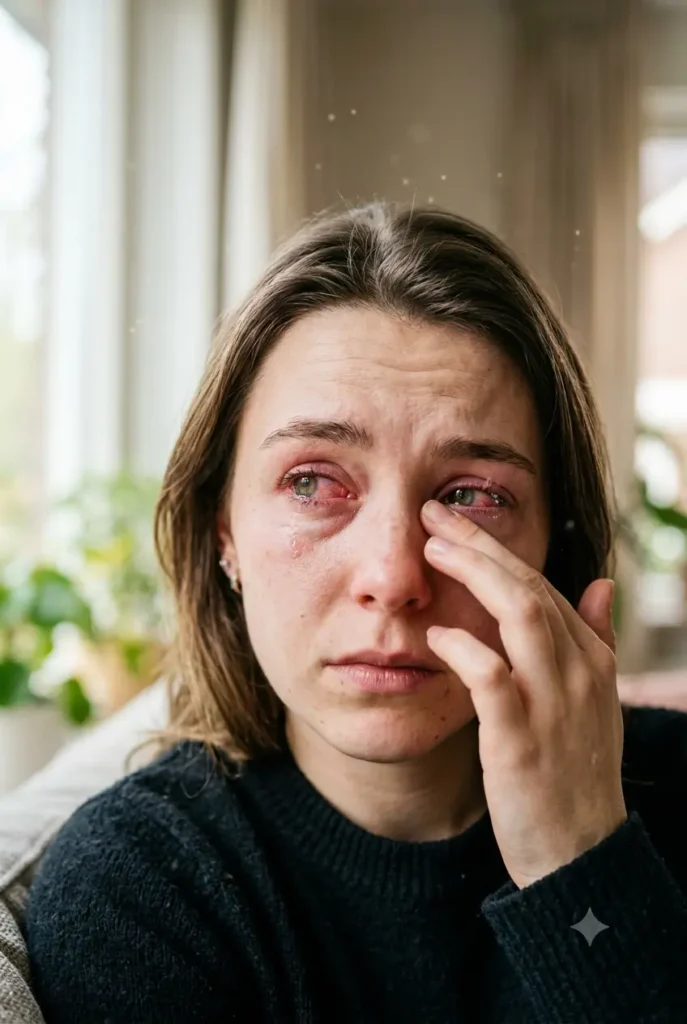
Quick Answer: Red eyes from allergies happen when pollen, dust, pet dander, or mold touches your eye and triggers histamine release. This causes allergic conjunctivitis — swollen blood vessels that make your eyes look pink or red, along with itching, watering, and puffiness. Cold compresses, preservative-free artificial tears, and antihistamine eye drops usually bring relief within hours.
Table of Contents
I Know This Feeling Too Well
I’ve woken up looking like I cried myself to sleep more times than I want to admit. No tears involved. Just red eyes from allergies, staring back at me in the mirror, itchy and puffy before I’ve even had coffee.
If you’re dealing with red eyes from allergies, you already know the drill. Your eyes get red. They itch. Sometimes they water so much people ask if you’re okay. You’re fine. Your immune system is just overreacting to something completely harmless.
Red eyes from allergies happen to millions of people every single year. Spring hits, trees release pollen, and suddenly half the population is rubbing their eyes in traffic. Or maybe it’s not seasonal for you at all. Maybe your cat walks into the room and your eyes go from zero to red in ten minutes flat.
Either way, allergy red eyes are one of the most common complaints eye doctors hear about, and red eyes from allergies get a lot less scary once you understand what’s actually going on.
What’s Actually Happening in Your Eyes
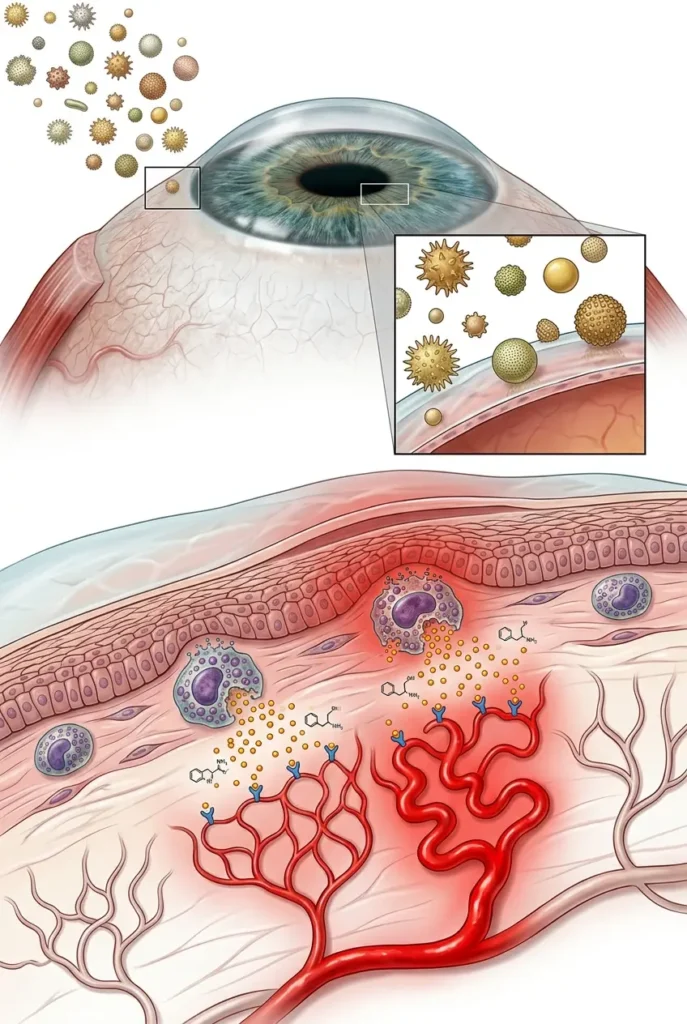
The medical term for red eyes from allergies is allergic conjunctivitis. That’s a fancy way of saying the thin clear layer covering your eye and the inside of your eyelids — the conjunctiva — is inflamed.
Here’s the short version. An allergen lands on your eye. Your immune system panics. It releases histamine to fight off something that was never actually dangerous in the first place. That histamine makes tiny blood vessels swell up. Swollen vessels equal red eyes.
Simple mistake by your body. Annoying result for you.
Eye allergies redness usually shows up with a handful of other symptoms too:
- Itching that ranges from mildly annoying to nearly unbearable
- Watery or clear discharge
- Swollen, puffy eyelids
- A burning or gritty feeling, like sand got in there
- Sneezing or a stuffy nose happening at the same time
Doctors generally split this into two types. Seasonal allergic conjunctivitis comes from pollen — trees in spring, grasses in summer, weeds in fall. Perennial allergic conjunctivitis sticks around all year, caused by things like dust mites, mold, or pet dander. If your eyes are red every single day regardless of the season, perennial triggers are worth looking into.
The Usual Suspects Behind Your Red, Itchy Eyes
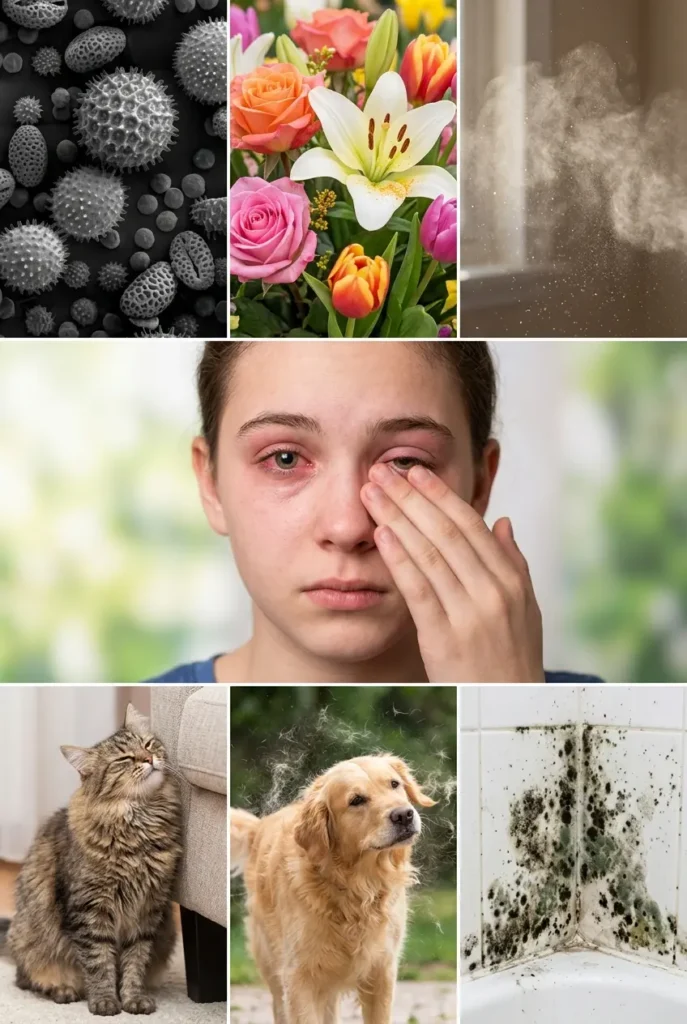
Let’s talk about what causes red eyes from allergies, because knowing your specific trigger changes everything.
Seasonal allergies red eyes — this is the classic one. Tree pollen in spring. Grass pollen in summer. Ragweed in fall. If your symptoms follow a calendar, this is probably you.
Pollen allergy red eyes — same idea, but worth mentioning on its own because pollen counts change daily. High-pollen days mean worse symptoms. Check your local forecast and you’ll start seeing the pattern.
Pet allergy red eyes — dander, not fur, is usually the actual culprit. Even short-haired pets can set this off.
Dust allergy red eyes — dust mites live in mattresses, carpets, and old pillows. Cleaning day often triggers a flare-up because you’re stirring them into the air.
Red eyes from hay fever — hay fever and seasonal allergic conjunctivitis basically overlap. If your nose runs while your eyes water, you’re dealing with both at once.
Red eyes from mold allergy — damp basements, old bathrooms, and humid climates are common mold hideouts. This one’s often overlooked because people assume mold only causes breathing issues.
Irritants make things worse too. Cigarette smoke, strong perfume, and car exhaust don’t technically count as allergens, but they can aggravate already-sensitive eyes.
Allergy Red Eyes vs. Pink Eye: How to Tell the Difference
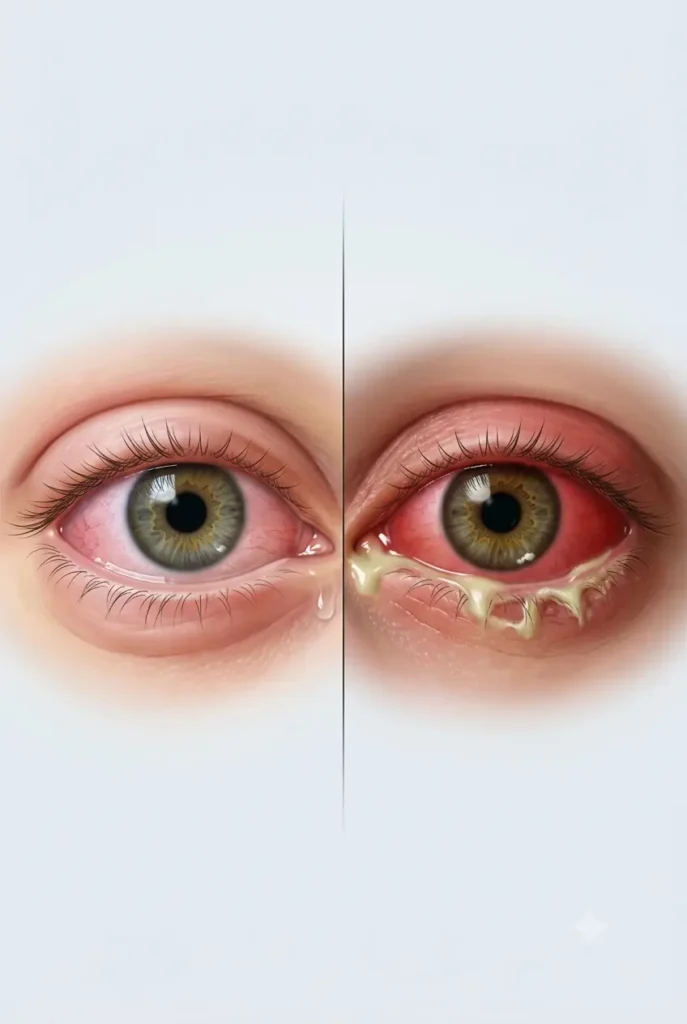
This is the question I get asked the most about red eyes from allergies, and honestly, it’s a fair one. Both look similar. Both make people avoid eye contact in public. But they’re not the same thing, and treating one like the other wastes time.
| Feature | Allergy Red Eyes | Pink Eye (Viral/Bacterial) |
|---|---|---|
| Eyes affected | Usually both at once | Often starts in one eye |
| Itching | Intense, hard to ignore | Mild or barely there |
| Discharge | Clear and watery | Thick, yellow or green |
| Contagious | No | Usually yes |
| Pain | Rare | Sometimes present |
| Trigger | Pollen, dust, pet dander, mold | Virus or bacteria |
| Duration | Comes and goes with exposure | Days to two weeks |
If you’re trying to figure out how to tell if red eyes are allergies or infection, itching is your biggest clue. Allergies itch like crazy. Infections tend to hurt or feel gritty instead.
Allergy Red Eyes vs. Dry Eyes
People confuse these two constantly, and I get why. Dry eyes burn and feel scratchy. Allergy eyes itch and water. The overlap is real.
The giveaway is context, and it matters a lot when you’re trying to tell red eyes from allergies apart from dry eyes. Dry eyes get worse with screen time, wind, or low humidity, and they don’t usually come with sneezing. Red itchy eyes allergies almost always show up alongside a runny nose or sneezing fit, because the same allergen is hitting your nose and eyes at the same time.
Why Is Only One Eye Red?
One eye red from allergies happens more than people expect. Maybe you rubbed one eye more than the other. Maybe you touched a pet and then touched just that side of your face. Allergies don’t care about symmetry — they react wherever the allergen actually made contact.
That said, if only one eye is red and it’s not improving, or if there’s thick discharge, get it checked. One-sided redness is also a classic sign of infection, so it’s worth ruling that out rather than guessing.
Morning vs. Night: Does Timing Matter?
Red eyes from allergies in the morning usually points to something in your bedroom — dust mites in your pillow, pet dander if your dog sleeps on the bed, or mold near a window.
Red eyes from allergies at night often means outdoor exposure caught up with you during the day. You walked the dog, mowed the lawn, or left a window open, and your eyes are paying for it by evening.
Tracking when your symptoms hit hardest is honestly one of the most useful things you can do. It points straight at the trigger without needing a lab test.
Is This Dangerous, or Just Annoying?
For most people, red eyes from allergies are annoying, not dangerous. But let’s be honest about both sides.
Generally fine:
- Symptoms usually respond well to avoiding triggers and using the right eye drops
- It is not contagious, unlike viral pink eye
- It improves once exposure stops
Worth watching:
- Constant rubbing can irritate your eyes further and even invite infection
- Ignoring it long-term can genuinely affect your day-to-day comfort
- Overusing decongestant drops causes rebound redness — your eyes get red again once the drops wear off, sometimes worse than before
Can allergies cause red eyes without itching? Occasionally, yes, though it’s less common. Redness without itching is more often linked to irritants, dry eyes, or early infection, so if itching is missing, don’t assume allergies without checking other symptoms.
How to Get Rid of Red Eyes From Allergies
Here’s what actually works to clear up red eyes from allergies, in the order I’d try things myself.
- Figure out your trigger first. Notice when it flares. After being outside? Around pets? During cleaning? This tells you what you’re actually fighting.
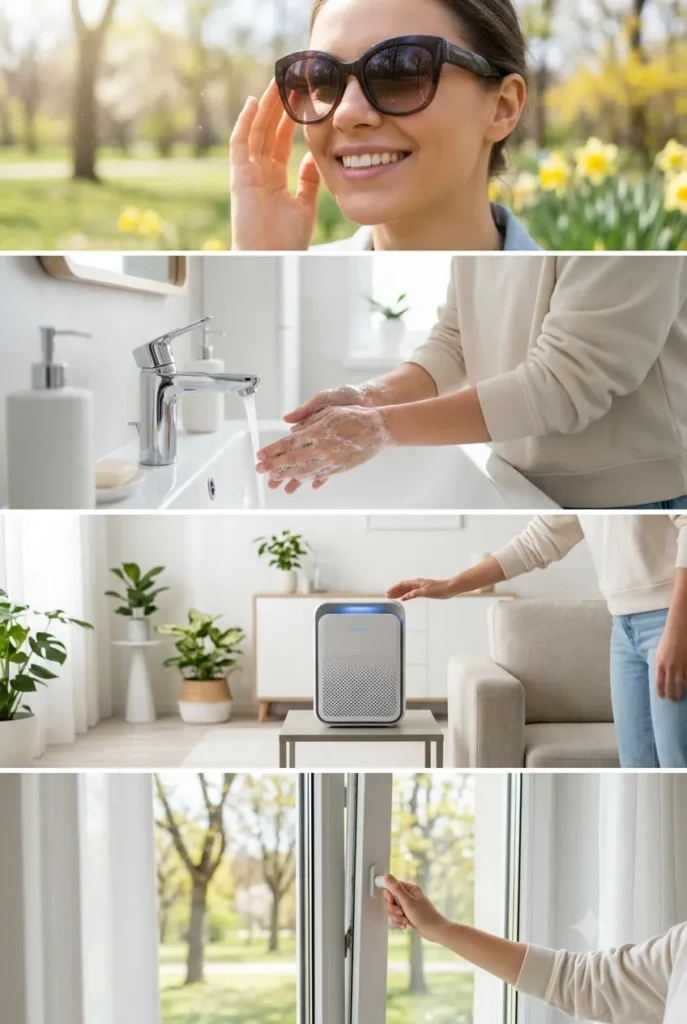
- Cut down exposure. Keep windows shut on high-pollen days. Run the AC. A HEPA filter genuinely helps with dust and pet dander.
- Stop rubbing your eyes. I know it feels good for two seconds. It releases more histamine and makes everything worse right after.
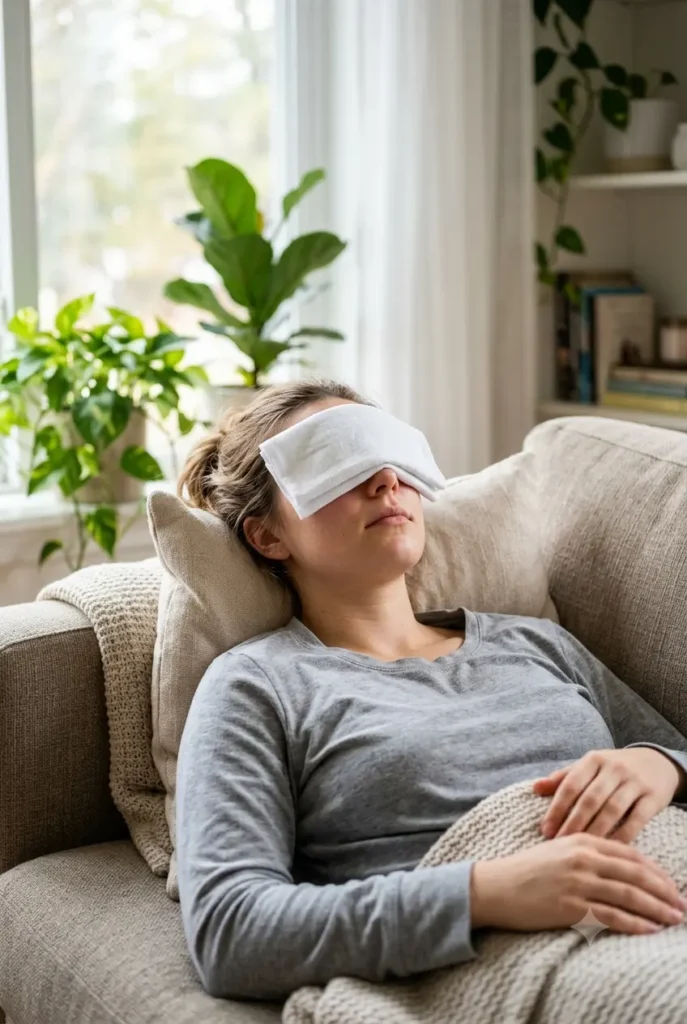
- Use a cold compress. A clean, damp, cool cloth over closed eyes for a few minutes calms swelling fast. This is the cheapest fix on this list and it works.
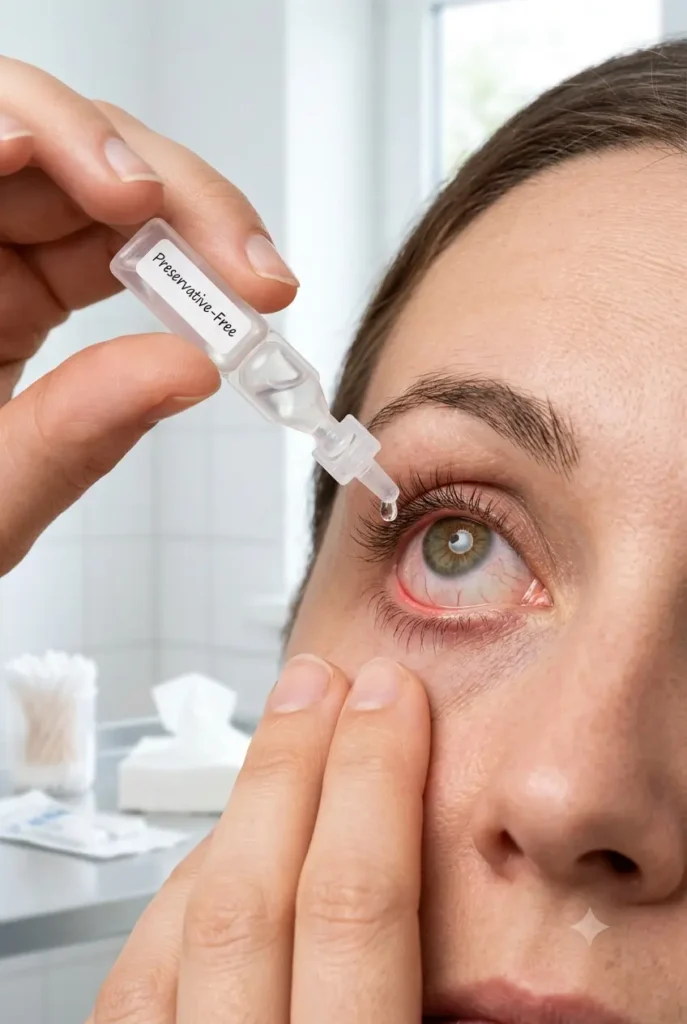
- Try preservative-free artificial tears. These physically flush allergens out of your eye. Safe for frequent use, no real downside.
- Add antihistamine eye drops for redness if itching is intense. These target the histamine reaction directly instead of just masking symptoms.
- Wash your face and hands after being outside. Pollen clings to skin and transfers straight to your eyes if you don’t rinse it off.
- See a doctor if nothing’s working. Persistent cases sometimes need prescription drops or allergy testing to pinpoint the exact cause.
Best Eye Drops for Allergy Red Eyes
Not all drops do the same job, so match the product to your actual symptom.
- Preservative-free artificial tears — best if you’re using drops several times a day, since preservatives can irritate sensitive eyes over time.
- Antihistamine eye drops for redness — best when itching is your main complaint, not just redness.
- Mast cell stabilizers — work best with daily, consistent use rather than only when symptoms flare. These are more of a prevention tool than a quick fix.
- Decongestant “get the red out” drops — fine occasionally, risky long-term. Limit these to a few days max.
Home Remedies for Red Eyes From Allergies
If you’d rather avoid drops altogether, or just want to add to what you’re already doing:
- Cold compresses, mentioned above, but worth repeating because they genuinely work
- Rinsing eyes gently with clean, cool water to flush out allergens
- Keeping bedding washed weekly in hot water to reduce dust mites
- Showering after being outside during high-pollen hours
- Using sunglasses outdoors to physically block pollen from reaching your eyes
None of these replace medical treatment for severe cases, but they genuinely reduce how often you need drops in the first place.
Mistakes That Make Allergy Red Eyes Worse
I’ve made a few of these myself, so consider this a warning from experience.
- Overusing redness-relief drops. They shrink blood vessels temporarily, then rebound worse when you stop.
- Rubbing constantly. Feels good, does damage.
- Assuming every red eye is contagious. It can make you needlessly cautious around others when it’s really just allergies.
- Sleeping in contacts during a flare-up. This traps allergens right against your eye all night.
- Quitting treatment the second symptoms fade. Some drops need consistent daily use to actually prevent flare-ups, not just treat them after they happen.
- Ignoring indoor triggers. People blame pollen and forget dust mites are sitting in their pillow the whole time.
Do Allergy Eyes Go Away on Their Own?
Yes, often they do, once you’re away from the allergen. Step outside on a high-pollen day, come back in, close the windows, and within an hour or two your eyes usually start calming down on their own. The catch is that if you live somewhere with year-round triggers like dust mites or mold, “away from the allergen” never really happens unless you address the source directly.
How Long Do Allergy Red Eyes Last?
This depends entirely on exposure. A short encounter — petting a cat at a friend’s house — might clear up in an hour or two. Ongoing exposure during peak pollen season can keep your eyes red for days or weeks, cycling with how much pollen is in the air that day.
When to Actually See a Doctor
Home care handles most cases, but get checked if you notice:
- Redness lasting several days despite treatment
- Real pain, not just irritation
- Vision changes or unusual light sensitivity
- Thick yellow or green discharge
- Only one eye affected with no clear explanation
None of these are meant to alarm you. They’re just signals that it’s time for a professional look instead of another round of drops.
When It’s NOT Allergies: Other Conditions That Can Cause Red Eyes
I want to be straight with you here. Not every red eye is red eyes from allergies. A bunch of other conditions cause redness too, and some of them need actual medical attention, not eye drops from the pharmacy. Here’s what else could be going on instead of allergy red eyes.
Dry eye disease. This one gets confused with red eyes from allergies constantly. Dry eyes burn, feel gritty, and turn red, but they usually don’t itch the way allergies do, and they get worse with screen time, wind, or air conditioning rather than after exposure to pollen or pets.
Blepharitis. This is inflammation along the eyelid margin, often from clogged oil glands or a bacterial buildup at the base of your eyelashes. Your eyes look red and crusty, especially in the morning, and the lids themselves feel irritated rather than just the eyeball.
Viral or bacterial conjunctivitis (actual pink eye). Unlike red eyes from allergies, this type is contagious. It usually comes with thick yellow or green discharge, often starts in one eye before spreading to the other, and doesn’t respond to antihistamine drops because there’s no allergen driving it.
Subconjunctival hemorrhage. This is when a tiny blood vessel bursts under the clear surface of your eye, and according to Mayo Clinic, it can happen from something as small as a hard sneeze or cough. It looks alarming — a bright, solid red patch — but it’s usually painless and harmless, clearing up on its own within a couple of weeks.
Uveitis. This is inflammation of the middle layer of the eye, and it’s not something to wait out. Mayo Clinic notes that uveitis can cause redness, pain, blurred vision, and light sensitivity, and it can come on suddenly and worsen fast. It needs a doctor’s attention because untreated cases can threaten your vision.
Scleritis. Inflammation of the white part of the eye itself. It tends to cause deep, boring pain, not just surface irritation, and it’s often linked to underlying autoimmune conditions.
Corneal abrasion or injury. A scratch on the surface of your eye — from a fingernail, a stray eyelash, or a contact lens — causes intense redness and pain, usually in just one eye, and usually with a clear cause you can point to.
Acute angle-closure glaucoma. Rare, but serious. This causes sudden eye redness along with severe pain, blurred vision, headache, and sometimes nausea. This is an emergency, not a wait-and-see situation.
A stye. A small, red, painful lump near the edge of the eyelid, caused by a blocked oil gland. It’s localized rather than spread across the whole eye.
So how do you know when to stop guessing and get it checked? If your red eyes come with real pain, sudden vision changes, light sensitivity, thick discharge, or if only one eye is affected with no obvious explanation, that’s your cue. Red eyes from allergies are annoying but predictable — they show up with exposure, they itch, and they calm down once the trigger is gone. Anything that breaks that pattern deserves a proper look, not another bottle of drops.
Medical Sources
I’ve cross-checked the information in this guide about red eyes from allergies against established medical resources, including:
- American Academy of Ophthalmology — Eye Allergies: Why Are My Eyes Itchy?
- American Academy of Ophthalmology — Conjunctivitis: What Is Pink Eye?
- American Academy of Ophthalmology — What’s the Difference Between Allergic and Infectious Conjunctivitis?
- American Association for Pediatric Ophthalmology and Strabismus — Allergic Conjunctivitis
- Mayo Clinic — Uveitis: Symptoms and Causes
- Mayo Clinic — Subconjunctival Hemorrhage: Symptoms and Causes
These sources back up the core facts in this guide: allergic conjunctivitis is not contagious, itching is its hallmark symptom, and certain red-eye symptoms — pain, vision changes, light sensitivity — warrant a real eye exam rather than home care.
Frequently Asked Questions
How do I get rid of red eyes from allergies? Avoid your known triggers, use a cold compress, apply preservative-free artificial tears, and follow up with antihistamine eye drops if itching is severe. See a doctor if symptoms keep coming back.
How long do allergy red eyes last? Anywhere from an hour to several days, depending on how much and how long you’re exposed to the allergen.
Is red eyes from allergies contagious? No. Allergic conjunctivitis is a reaction, not an infection, so you can’t pass it to anyone else.
Can allergies cause red eyes without itching? Occasionally, but it’s less common. If itching is completely absent, consider other causes like dry eyes or early infection.
Do allergy eyes go away on their own? Yes, usually once you’re away from the allergen, though ongoing exposure can keep symptoms going.
How can I tell if red eyes are allergies or infection? Intense itching and watery discharge in both eyes point to allergies. Thick discharge, pain, or one-sided redness point toward infection.
A Quick Note on This Information
I’ve put this together based on widely available, publicly known information about allergic conjunctivitis and eye allergy care. I’m not a medical professional, and none of this replaces a real diagnosis. If your symptoms are severe, persistent, or affecting your vision, please talk to an eye doctor or allergist directly.
The Bottom Line
Red eyes from allergies are common, uncomfortable, and — for almost everyone — completely manageable. Dealing with red eyes from allergies gets easier once you know your triggers. Stop rubbing your eyes, even when it’s tempting. Keep cold compresses and preservative-free tears within reach. Add antihistamine drops when itching gets intense.
Most people notice a real difference within days of building these habits consistently. And if your eyes keep flaring no matter what you try, there’s no harm in getting a professional opinion. Sometimes a five-minute appointment saves you weeks of guessing.