
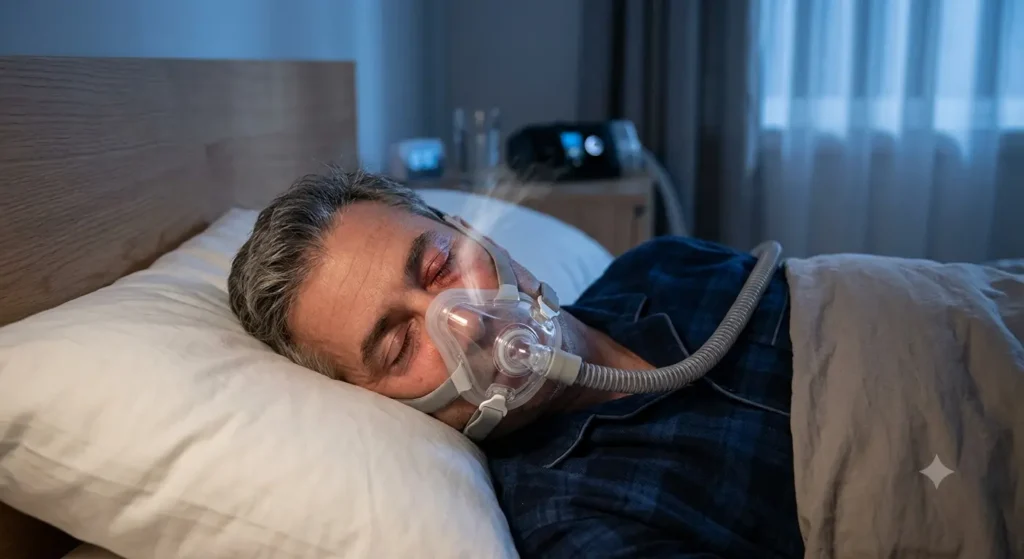
Quick Answer: Eye protection for CPAP users means stopping pressurized air from your mask from leaking onto your eyes overnight. The most reliable fixes are a proper mask refit, added humidification, lubricating eye drops before bed, and a physical barrier such as an eye shield if leaks continue. Many people notice improvement within days to a few weeks after correcting mask leaks and following appropriate eye care measures.
I used to wake up with one eye burning like I’d rubbed sand into it. My vision stayed blurry for the first five minutes of every day. For a while I blamed allergies, then my pillow, then my cat. It took me months to figure out my CPAP machine was the actual cause.
If that sounds familiar, you’re probably dealing with the same thing. Your sleep apnea treatment is working. Your sleep has improved. But your eyes feel wrecked most mornings, and nobody warned you this could happen.
Eye protection for CPAP users isn’t some rare medical mystery — it’s a documented, fairly common side effect of therapy that gets very little attention. And the American Academy of Ophthalmology confirms this connection is real, not something you’re imagining.
CPAP-related irritation is different from other causes of dry eyes or burning eyes, although the symptoms can feel very similar.
CPAP therapy is one of the most effective treatments for obstructive sleep apnea, as explained by the American Academy of Sleep Medicine.
Table of Contents
Why This Gets Overlooked So Often
Doctors focus most of their attention on your airway, and that’s fair — sleep apnea is dangerous, and treating it matters more than almost anything else in your health routine. But your eyes sit just a couple of inches from your mask seal, and air doesn’t vanish when it escapes. It travels somewhere. For a lot of people, that somewhere is straight across the cornea, hour after hour, all night long.
That’s part of why so many people end up searching for eye protection for CPAP users months or even years after starting therapy. They notice the dryness and redness, but nobody connects it back to the mask until they go looking themselves.
What Eye Protection for CPAP Users Actually Involves
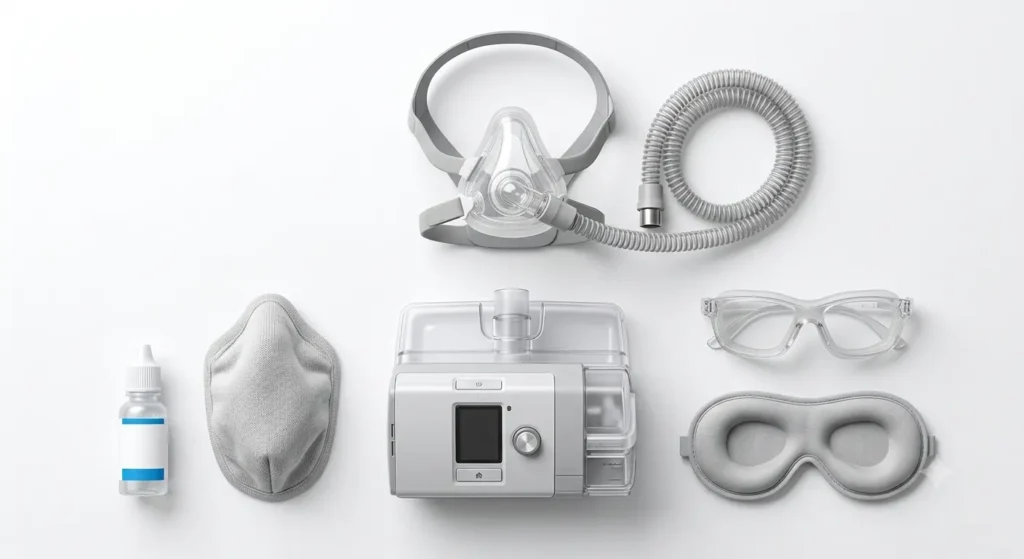
Many people assume eye protection means buying one special product and calling it done. In reality, it’s a combination of several small changes working together. For most CPAP users, protecting the eyes usually comes down to five things:
- Fixing the mask seal so air stops drifting toward your eyes
- Adding humidification so the air touching your face isn’t bone-dry
- Using a physical barrier, like an eye shield or moisture chamber glasses
- Applying lubricating eye drops before bed to protect your tear film
- Keeping your equipment clean so cushions and seals don’t wear out faster than they should
None of these require major lifestyle changes. Most people just never hear about them until the discomfort has been going on for a while.
Why CPAP Dries Out and Irritates the Eyes
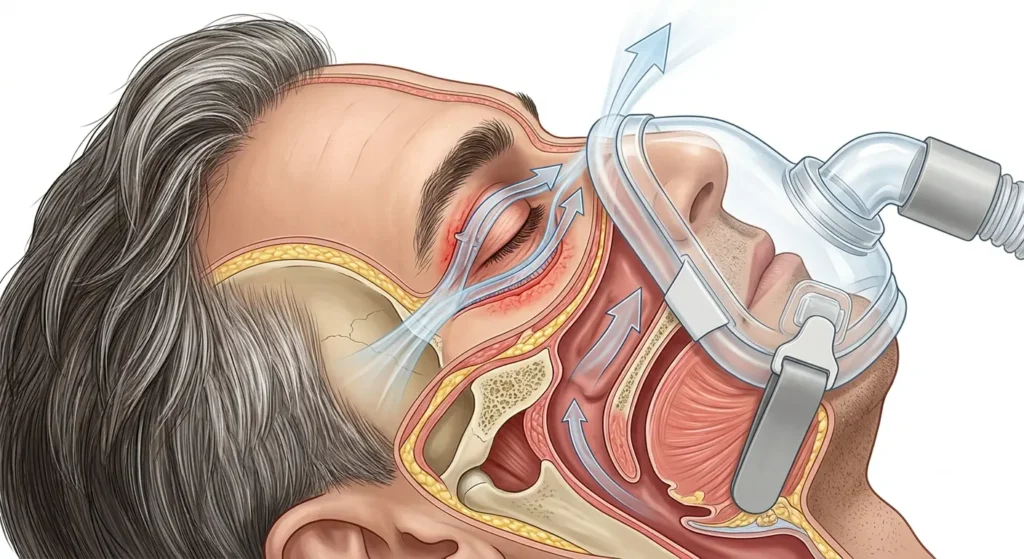
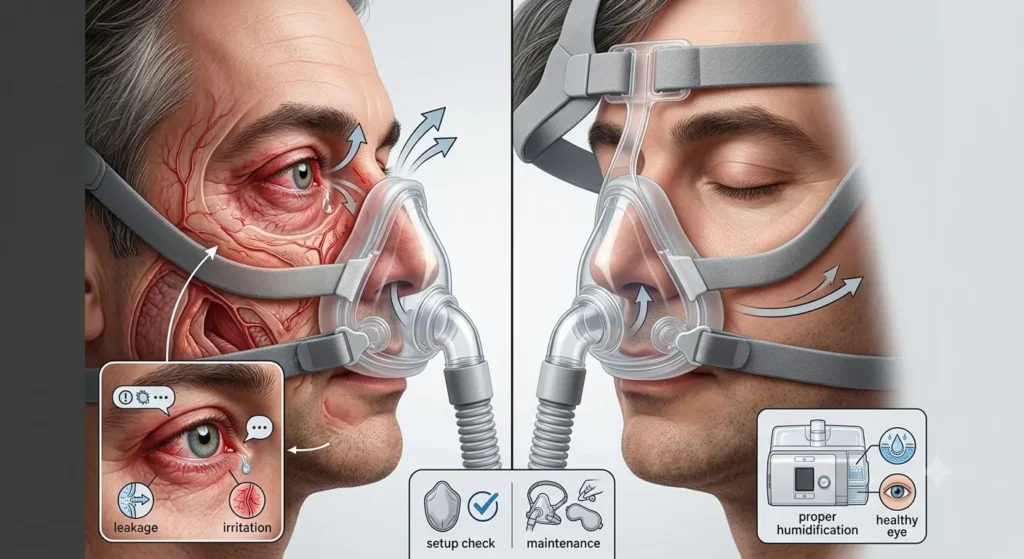
CPAP machines push a steady stream of air through your mask to hold your airway open, which is what makes positive airway pressure therapy so effective for obstructive sleep apnea. The problem starts when the seal isn’t quite right. A worn cushion, a mask that’s slightly too large, or even sleeping with your face pressed into the pillow can create a small gap. Pressurized air always finds that gap, and it often escapes upward, right toward the eyes.
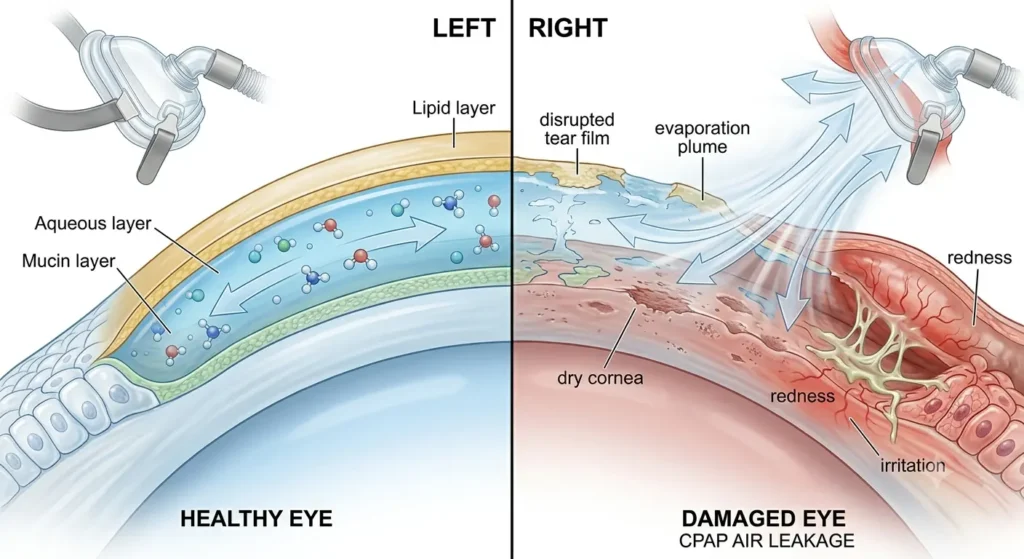
According to research summarized by the National Eye Institute and reflected in multiple ophthalmology case reports, this repeated airflow disrupts the tear film — the thin protective layer covering your cornea and conjunctiva. Break that layer down night after night, and the result is dryness, burning, redness, and blurry vision that clears within minutes of waking.
There’s also a lesser-known mechanism worth knowing about. Some clinical reports describe a condition where air escapes backward through the tear duct system rather than the mask seal itself, producing similar symptoms even when the mask looks properly fitted. If your eyes are irritated despite a seemingly good seal, this is one reason a leak test alone might not catch the cause.
Can a CPAP Machine Actually Damage Your Eyes?
In most cases, no. CPAP therapy itself doesn’t damage your eyes, and the machine isn’t inherently harmful to your vision.
The risk comes from ignoring a leak for a long time. Chronic, untreated airflow across the eye surface can lead to persistent dryness, and in rare, prolonged cases, contribute to corneal surface changes such as exposure keratopathy or superficial punctate keratitis. Sleep apnea is also independently linked to floppy eyelid syndrome, a condition where the eyelid loses elasticity and everts easily during sleep, which can add to irritation on its own.
None of this is common, and it’s almost always preventable. Catching a leak early and fixing your mask fit solves the problem well before it becomes serious.
What CPAP-Related Eye Irritation Actually Feels Like
A lot of people don’t connect these symptoms to their CPAP right away, so it’s worth spelling out what the pattern actually looks like. Burning or stinging as soon as you open your eyes, often worse on one side — typically the side facing the leak. Blurry vision for the first few minutes that clears on its own. A gritty, sandpaper feeling under the eyelid. Redness that’s obvious in the mirror but fades by mid-morning. And sometimes, oddly, watery eyes, which feels contradictory but is usually the eye’s defensive response to irritation rather than a sign of too much moisture.
If two or three of these sound familiar, there’s a strong chance your mask is leaking somewhere near your eyes.

Comparing Your Options for Eye Protection
There isn’t one universal fix. Each option works a little differently, so the right choice depends on where your air leak is coming from and how severe your symptoms are.
| Method | How It Helps | Best For | Downside |
|---|---|---|---|
| Mask refitting | Corrects the leak at its source | Anyone with a felt or visible leak | May need a professional fitting |
| Humidifier | Softens the drying effect of airflow | Dry climates, heated CPAP setups | Doesn’t stop the actual leak |
| CPAP eye shields | Physically blocks stray air | Leaks that persist despite good fit | Can feel bulky at first |
| Moisture chamber glasses | Traps humidity around the eyes | Chronic, ongoing dry eye | Higher cost, needs a proper fit |
| Mask liners | Redirects airflow, cushions skin | Sensitive skin, minor leaks | Needs regular replacement |
| Lubricating eye drops | Restores your tear film directly | Nighttime dryness of any cause | Doesn’t fix the source leak |
Most people I’ve spoken with combine two of these rather than relying on one. A better-fitting mask plus nightly eye drops solves the problem for a large share of CPAP users without needing every product on this list.
How I’d Fix This, Step by Step
Check Your Mask Fit
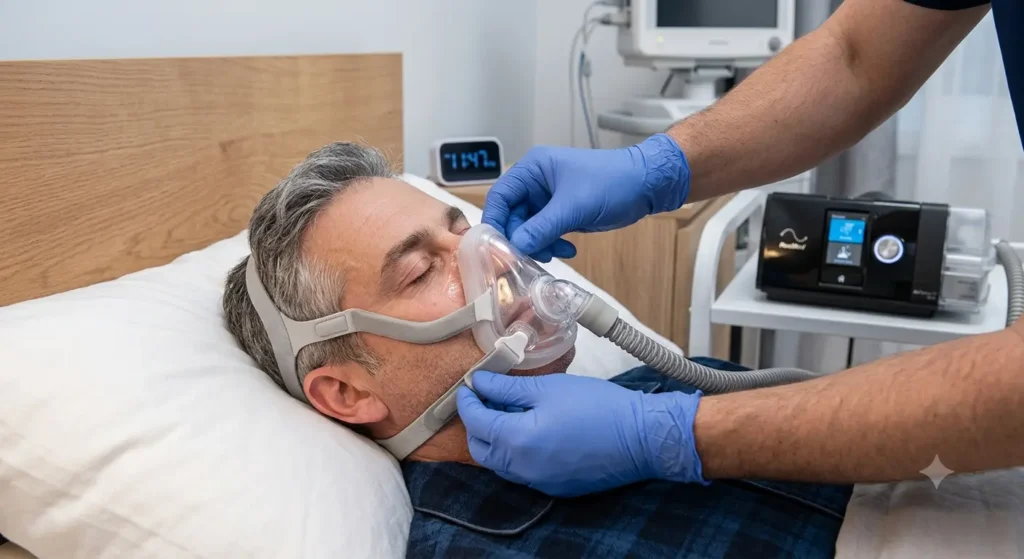
This gets skipped constantly, but it’s the first thing worth doing. Get refitted, especially if your weight has changed since you started therapy — your face shape shifts more than most people realize.
Replace a Worn Cushion
Silicone cushions flatten and crack after months of nightly use, and a worn seal is one of the most common, most overlooked causes of leaks. If yours looks tired, swap it before buying anything else.
Increase Humidification
Even a small leak feels worse when the air is dry. A heated humidifier softens the effect of any remaining leak and makes the whole experience more tolerable. Reducing eye dryness can also help prevent the fatigue and discomfort often associated with eye strain.
Add a Physical Barrier
If you’ve corrected the fit and air is still reaching your eyes, a slim, CPAP-compatible eye shield or sleep mask can block what’s left. This is where eye protection for CPAP users really earns its place — catching what fit and humidity alone can’t.
Protect the Eye Surface With Drops
Thicker, gel-based artificial tears tend to last longer overnight than watery formulas. Apply them right before putting your mask on, not just when your eyes already feel dry.
Avoid Products Near the Seal
Facial oils and moisturizers near your nose and mouth stop your mask from sealing properly. Keep that area product-free.
Clean Your Equipment on Schedule
Buildup and residue change how your mask seals over time. Stick to the manufacturer’s cleaning schedule instead of cleaning “whenever I remember.”
Monitor Your Symptoms
Note which nights are worse and in which position you slept. Side sleeping often makes leaks worse on one specific side, and a pattern tells you exactly where to focus your fix.
Mistakes That Make This Worse
I’ve made a few of these myself, so this isn’t a judgment call. Watch out for these anyway. Continuing to use a flattened cushion because it’s “not that bad yet” is common, and so is assuming dry eyes have nothing to do with CPAP simply because the symptoms crept up slowly. Moisturizer near the mask seal is one of the most frequent causes of a brand-new leak in an otherwise well-fitted mask. Over-tightening the headgear, thinking it’ll stop the leak, usually distorts the mask shape and creates new gaps instead. And stopping CPAP therapy altogether because your eyes hurt is a mistake — sleep apnea is too serious to leave untreated over a fixable side effect.
Choosing the Right Products
Match the product to your mask type. Full-face masks, nasal masks, and nasal pillows all leak differently, so what fixes your friend’s setup might not touch yours. Go slim and low-profile if you’re combining a sleep mask with CPAP headgear, since bulk creates pressure points and can trigger new leaks. Check for breathable material, especially if you’re already running a humidifier and don’t want extra heat trapped against your face. Start with the basics — fit, cushion condition, humidification — before spending money on specialty eye protection products.
Choose products that are compatible with your specific CPAP mask design, and avoid accessories that interfere with the mask seal or airflow.
Seek Medical Care Immediately If…
Most CPAP-related eye irritation is manageable at home, but a few symptoms need prompt attention from an eye doctor rather than a wait-and-see approach:
- Severe or sudden eye pain
- Sudden vision loss or a noticeable change in vision that doesn’t clear
- Unusual light sensitivity
- Thick or unusual eye discharge
- Persistent redness that doesn’t improve after adjusting your mask and fit
If any of these show up, don’t wait for your next equipment check-in. See an eye care professional.
Is This Actually Safe?
Yes. Taking steps toward eye protection for CPAP users is low-risk and doesn’t interfere with your treatment. If anything, it helps you stick with therapy longer, since eye discomfort is one of the reasons people quit CPAP early — and quitting is genuinely worse for your health than dealing with a fixable side effect. The only real downsides are cost and some initial bulkiness with certain shields or sleep masks. Nothing here is dangerous when used correctly.
Frequently Asked Questions
Can CPAP damage your eyes? CPAP therapy itself doesn’t damage the eyes, but ongoing, unaddressed air leaks can dry out and irritate the eye surface over time, and in rare long-term cases, contribute to corneal issues.
Why does my CPAP make my eyes dry? Air escaping through an imperfect mask seal flows across your eye surface throughout the night, disrupting your natural tear film.
Can CPAP air leak into my eyes? Yes, and it’s one of the most commonly reported causes of CPAP-related eye discomfort, especially with masks that are too large, too small, or have a worn seal.
Can CPAP make dry eye syndrome worse? It can, particularly for people who already have dry eye disease. Repeated nighttime airflow across an already compromised tear film tends to intensify symptoms rather than cause a brand-new condition.
Can CPAP cause eye pressure? Some research has looked at whether CPAP affects intraocular pressure overnight, particularly in people with glaucoma risk factors. If you have a diagnosed eye pressure condition, it’s worth mentioning your CPAP use to your ophthalmologist.
Can a CPAP mask leak into one eye? Yes, this is actually more common than leaking into both. Side sleepers and people with slightly asymmetrical mask fit often notice symptoms concentrated on one side.
How do I stop my CPAP from hurting my eyes? Start with a proper mask refit, add humidification, and use lubricating drops before bed. Add a physical barrier if the leak continues after those changes.
What eye drops are best for CPAP users? Gel-based artificial tears tend to hold up better overnight than watery formulas. A pharmacist or eye doctor can point you toward one suited to your specific symptoms.
Should I stop using CPAP if it hurts my eyes? No. Talk to your doctor and troubleshoot the leak instead. Stopping treatment puts your sleep apnea management at risk for the sake of a problem that’s usually fixable.
Can a CPAP mask cause blurry vision? Temporary blurriness right after waking is common and usually clears within a few minutes. It’s caused by dryness, not lasting vision damage.
Can CPAP cause eye infections? It’s uncommon, but chronic irritation and a weakened tear film can occasionally make the eyes more vulnerable. Good hygiene and proper mask maintenance keep this risk low.
Are moisture chamber glasses worth it? For people with chronic, stubborn dryness that doesn’t improve with a mask refit and drops alone, many find them worth the cost. For occasional mild irritation, cheaper fixes usually work just as well.
Can sleeping position affect CPAP eye leaks? Yes. Side sleeping tends to shift mask position and increase leaks on the side you sleep on. Tracking your symptoms against your sleep position can reveal a pattern worth addressing.
Which CPAP mask is best for dry eyes? There’s no single universal answer, since it depends on your face shape. Nasal pillow masks often direct air away from the eyes more reliably than full-face masks, but proper fit matters more than mask style.
When should I see an eye doctor? If redness, pain, or blurry vision continues despite fixing your mask fit and using lubricating drops, or if you notice any of the warning signs listed above, book an appointment.
A Quick Note on Recommended Products
Without making medical claims, a few product categories consistently come up when CPAP users search for relief: CPAP eye shields, moisture chamber glasses, gel-based lubricating eye drops, and mask liners designed to reduce facial leaks. None of these replace a proper mask fitting through your CPAP provider, but they’re worth researching once your basic fit and humidification are sorted out.
Final Thoughts
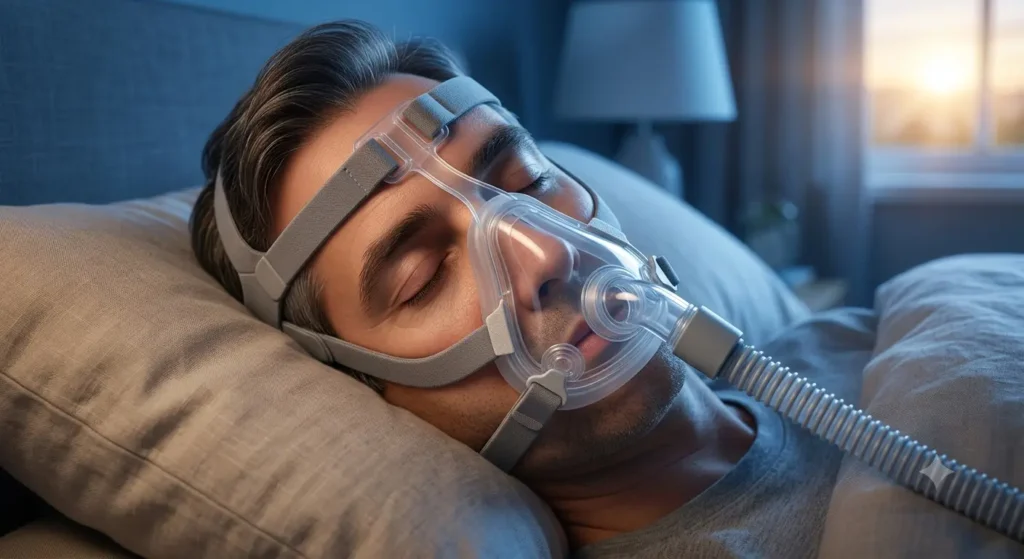
Waking up with burning, irritated eyes isn’t something you have to accept just because you use CPAP. Eye protection for CPAP users comes down to a handful of practical steps: fix your seal, humidify your air, protect your tear film with drops, and add a barrier if you still need one.
I get the temptation to push through it, especially once your sleep finally starts improving. But good sleep and comfortable eyes aren’t mutually exclusive. Fix the leak, protect your eyes, and keep the treatment that’s actually working. That’s the real goal — rest without the morning eye pain that comes with it.
If your symptoms stick around after trying these fixes, don’t wait it out. According to the American Academy of Ophthalmology, air leaking from CPAP masks can contribute to dry eye symptoms and ocular surface irritation. and Mayo Clinic, persistent side effects from CPAP therapy are worth discussing with your care team rather than managing alone. A quick visit to an eye doctor can save you months of unnecessary discomfort.
If you continue experiencing redness, swelling, or other eye symptoms, explore our related guides on burning eyes, swollen eyes, and red eyes to better understand other possible causes.
If symptoms persist despite correcting mask leaks, the American Academy of Ophthalmology recommends a comprehensive eye examination.
This article is for general informational purposes only and doesn’t replace advice from a qualified doctor, ophthalmologist, or optometrist. If you’re dealing with ongoing eye symptoms, please consult a healthcare professional.